Hosts preparing a dessert to share
For a sharing bowl, dessert glasses or a topping, you’ll want to know how much fruit you’ll have once the liquid has been drained away. The drained weight makes it easier to compare a single tin with a multipack.


For a dessert to share, start by choosing the format that gives you the quantity of fruit you need. One tin may be enough for a single recipe, while a multipack is best if you’re planning several desserts or want to keep tins in the cupboard. Compare the drained weight rather than just the total weight of the tin, then check the liquid the fruit is packed in. Individual pots serve a different purpose: they let you serve separate portions without opening a large tin.
For a sharing bowl, dessert glasses or a topping, you’ll want to know how much fruit you’ll have once the liquid has been drained away. The drained weight makes it easier to compare a single tin with a multipack.
A multipack can come in handy for several get-togethers, as long as you have space for the unopened tins and check their best-before dates before storing them.
If the choice between syrup, juice and no added sugar matters for your dessert, check the ingredients for the exact product you’re considering. Individual pots also make it easy to serve the fruit separately.
First decide how many tins you’ll open for the occasion: a pack of 12 or 24 has a different purpose from a single tin. Then check the drained weight, ingredients and how you plan to serve the fruit.
| What to consider | What to check | Who it matters to |
|---|---|---|
| Quantity and packaging | Compare the drained weight per tin and the number of units in the multipack. Make sure you have room for any unopened tins. | For topping several desserts, I want enough fruit without having to open every tin at once. Around 50% of consumers would prioritise this usable quantity. |
| Liquid and sugars | Check the ingredients and the sugars listed per 100 g for the product you’re considering; don’t assume what’s in it from the words ‘light syrup’ alone. | If my dessert recipe calls for a particular type of liquid, I want to be able to distinguish between syrup, juice and products with no added sugar. This would be the main consideration for around 30% of consumers. |
| Portions and leftovers | Check the portion size and the storage instructions for after opening. | If I want to serve everyone separately, or avoid opening a large tin for just a few portions, I prefer to plan ahead. Around 20% of consumers would put this first. |
The stated weight may include syrup or juice. When preparing a dessert to share, compare the drained weight of the fruit to choose between different pack sizes.
Check the drained weight of each tin and, for a multipack, take the number of units into account.
Separate portions make individual serving easier, but you’ll need to open several containers if you’re combining all the fruit in one recipe.
Save individual pots for serving separate portions; for a sharing bowl, compare the drained weight of a tin that suits your recipe.
These descriptions don’t mean the same thing. For example, Carrefour says its St Mamet pots with no added sugar contain naturally occurring sugars.
Check the ingredients list and nutritional information per 100 g for each product you’re considering.
An opened tin needs to be stored differently from one that’s still sealed. Some product details advise transferring leftovers to a suitable container and refrigerating them.
Have a sealed container ready and follow the storage period shown for the product you’ve bought before planning how to use up the leftovers.
The range includes tinned fruit cocktail and pots with no added sugar.
E.Leclerc sells light-syrup fruit cocktail under these own-label brands in 500 g tins.
The retailer offers fruit cocktail, tins of single fruits and individual pots.
Carrefour lists the brand among its tinned fruit cocktail and individual pot options.
Auchan offers an 825 g tin of fruit cocktail in light syrup.
These products suit two ways of preparing a dessert to share: keeping several tins in reserve or opening one tin for a single recipe. The peach and nata de coco multipack and the jackfruit multipack aren’t fruit cocktails, so choose them according to the fruit your recipe calls for.
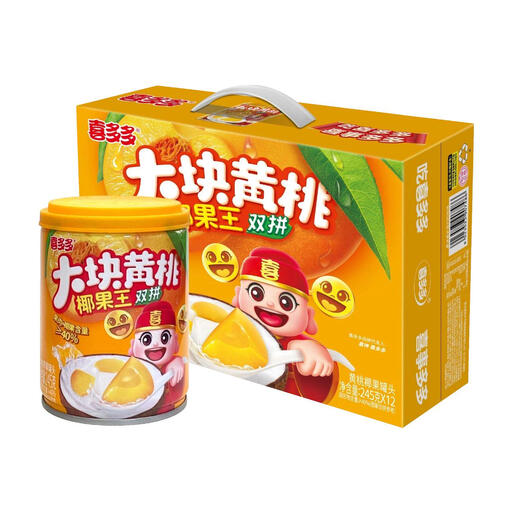 Image unavailable
This multipack is a good choice if you’d rather open the tins as you need them for different recipes than make one large sharing bowl. It contains 12 tins of 245 g each; check the drained weight per tin to work out how much fruit you’ll have.
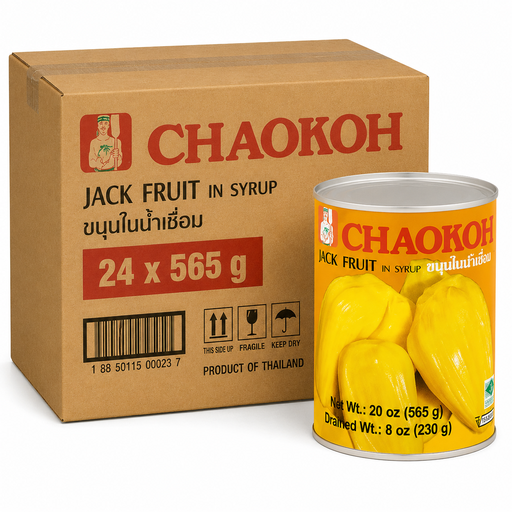 Image unavailable
This jackfruit multipack is for making recipes regularly or stocking up, provided it’s the right fruit for the dessert you have in mind. The 24 tins will need plenty of storage space; check their drained weight before working out how much fruit you’ll need for the occasion.
 Image unavailable
This tin of fruit cocktail is better suited to a shared dessert than to serving ready-portioned fruit. The 850 g is the stated pack size: check the drained weight to work out how much fruit you’ll have. Once opened, follow the product’s storage instructions for any leftovers.
 Image unavailable
This tin could suit a smaller shared dessert than the 850 g size. Check its drained weight against your recipe; the Joybuy product details advise keeping leftovers in a suitable container in the fridge and eating them within three to four days.
 Image unavailable
Choose this tin if your recipe calls for pear halves rather than fruit cocktail. The 455 g is the stated drained weight, making it useful when planning how much to serve. This is a single tin, not a multipack.
Compare the drained weight: this tells you how much fruit there is once the liquid it’s packed in has been drained away. In France, the DGCCRF says that this weight must appear on the label of fruit sold in a packing liquid. You can then choose how many tins you need for the recipes you’re planning.
No: the two phrases don’t mean the same thing. Carrefour says its St Mamet fruit cocktail pots with no added sugar contain naturally occurring sugars; check the sugar content per 100 g for the product you choose.
Follow the storage instructions for the tin you’ve bought. The Auchan product details consulted for some fruit cocktails advise using a suitable food container, keeping it in the fridge and eating the fruit within the period stated on the product.
When choosing between two types of fruit in syrup, check the product name, ingredients, nutritional information and stated quantities. In France, the DGCCRF says that the drained weight must also be stated when a product is sold in a packing liquid.
A best-before date, or DDM, is not a use-by date. The DGCCRF says a product may still be safe to eat after this date if its packaging is intact, although its taste and quality may change. Check the condition of the tin and follow the separate instructions for storing it after opening.