Two people who want to serve dessert quickly
Two individual pots can be served separately without opening a large tin. If you buy a pack of four, think about how you’ll use the other two portions as well.


To serve two desserts without having to store an opened tin, individual pots make serving easy. A tin gives you more flexibility to divide the fruit between glasses or use it to top a pastry. In either case, compare the drained fruit weight, ingredients and nutritional information: ‘in light syrup’ and ‘no added sugar’ don’t mean the same recipe.
Two individual pots can be served separately without opening a large tin. If you buy a pack of four, think about how you’ll use the other two portions as well.
You want to tell the difference between a recipe labelled ‘no added sugar’ and one in light syrup. Fruit or juice can naturally contain sugars, so the ingredients list and the ‘of which sugars’ figure are useful for comparing products.
A tin lets you divide the fruit between two desserts yourself, or use some of it as a topping. You’ll need to drain the fruit and follow the storage instructions once the tin is open.
For dessert for two, first decide whether you’d prefer portions that are already separated or fruit that you can divide yourself. Then check the quantity of fruit and the recipe for the specific product, rather than relying on the pack’s total weight or the wording on the front.
| What to consider | What to check | Who it suits |
|---|---|---|
| Individual portions | Number of pots and drained net weight per portion, where stated. | I want to serve two plates without opening a large container, while knowing what to do with any other pots in the pack. Around 42% of consumers would put individual portions first. |
| Ingredients and sugars | Ingredients list, exact wording on the pack and sugars per 100 g. | If I’m comparing a no-added-sugar recipe with one in light syrup, I want to understand what each contains. This would be the top priority for around 33% of consumers. |
| A dessert you can put together yourself | Fruit in the mix, drained net weight and instructions for after opening. | For topping desserts in glasses or a pastry, I’d rather divide the fruit myself and plan how to use any leftovers. Around 25% of consumers would prioritise this flexibility over individual portions. |
This wording doesn’t rule out sugars that occur naturally in fruit or juice. On its own, it doesn’t tell you how much sugar the finished product contains.
To compare two products, check their ingredients and the ‘of which sugars’ figure per 100 g, then take the portion you’ll serve into account.
Total weight includes the liquid covering the fruit, so two containers of a similar weight won’t necessarily contain the same amount of fruit.
Check the drained net weight on the label before deciding how many individual pots or what size tin you’ll need for two people.
A tin gives you the freedom to put together your own dessert, but you’ll need to divide the contents and store any leftovers once it’s open.
If you’re only making two small portions, consider individual pots or another way to use the leftover fruit. Follow the storage instructions for the specific product you buy.
Carrefour features St Mamet individual pots in a pack of 4 × 113 g, labelled ‘no added sugar’.
Carrefour features a fruit cocktail in four pots, with 70 g drained net weight per pot and a ‘no added sugar’ label.
Auchan features a mix of peach, mandarin, pear and grape in light syrup, in four 113 g individual pots.
This Marque Repère brand is stocked by E.Leclerc, with individual pots of fruit in light syrup, including a peach, pear and cherry mix in 4 × 70 g packs.
Aldi features Baccara individual pots of fruit in light syrup.
These fruits in syrup come in tins, including a pack of three small tins. They’re suited to dividing fruit between two plates or using it to top a dessert, rather than serving two individual portions straight from the pack.
 Image unavailable
For dividing fruit between several desserts without opening one large tin. The pack contains three 125 g tins, not individual pots ready to serve; check the drained net weight to find out how much fruit each tin contains.
 Image unavailable
For putting together your own plates or topping a pastry with pear halves. The stated drained weight is 455 g. This tin isn’t divided into individual portions, so plan how you’ll use the rest.
 Image unavailable
For dividing peach halves between two desserts or using them as a topping. The tin contains 230 g drained; portion out what you need and follow the storage instructions once opened.
 Image unavailable
For making several desserts from one tin. The 850 g format isn’t individually portioned, so for a meal for two, check the drained net weight and plan how you’ll use the rest.
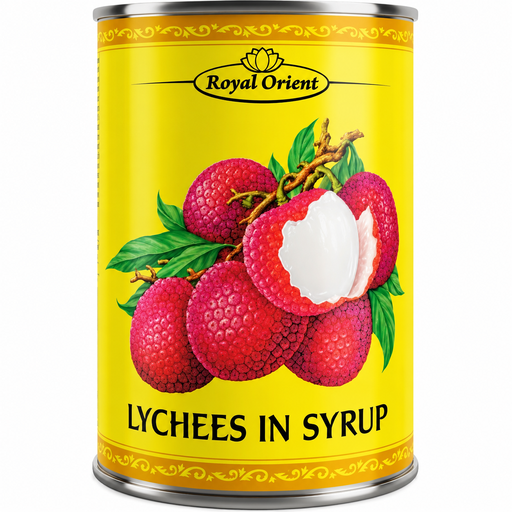 Image unavailable
For adding lychees to a dessert you’re putting together yourself. The 567 g tin isn’t an individual portion, so check the drained net weight and nutritional information on the pack before deciding on portion sizes.
No: fruit and juice can contain sugars naturally. For the St Mamet individual pots featured by Carrefour with this claim, also check the ingredients list and the ‘of which sugars’ figure for the specific product.
Check the drained net weight to estimate how much fruit you’ll have once the liquid has been removed. The total weight also includes the liquid covering the fruit; check whether the stated quantity is for one individual pot or the whole pack, too.
Follow the storage instructions on the product you’ve bought and plan how you’ll use any leftovers. The Joybuy listing for the 425 g St Mamet fruit cocktail says to keep it in the fridge for 3 to 4 days after opening; this guidance doesn’t automatically apply to other products.