People entertaining at Easter
If you’re making a dessert to share or several recipes over the weekend, work out how much fruit you’ll need before choosing a large tin.


For an Easter dessert to share or several recipes, an 825 to 850 g tin could be a good choice if you plan to use all of its contents after opening. For a single dessert or separate servings, compare 500 g tins, smaller containers and multipacks instead. Whichever you choose, check the quantity of fruit, the ingredients and the storage instructions for the specific product.
If you’re making a dessert to share or several recipes over the weekend, work out how much fruit you’ll need before choosing a large tin.
For a single dessert or a few portions, a 500 g tin or separate containers may be a better fit than a large tin that needs finishing after opening.
If added sugar is a consideration, don’t rely on the words ‘light syrup’ alone. Check the ingredients and nutritional information for the exact product.
First, decide how much fruit you’ll use at Easter and after the meal. Then compare the labels on formats suited to how you plan to use them.
| What to consider | What to check | Who it matters to |
|---|---|---|
| Quantity of fruit | Compare the net weight and, where shown, the drained net weight with the amount you need for your desserts. | If I’m entertaining several people, I want enough fruit for the servings or recipes I have planned, rather than choosing a tin based on its size alone. Around 45% of consumers would prioritise getting the right quantity. |
| Ingredients and sugars | Read the ingredients list, look for the exact ‘no added sugars’ claim if that matters to you, and check the ‘of which sugars’ figure per 100 g. | If I’m looking for a particular composition, ‘light syrup’ alone doesn’t tell me whether the product contains added sugar. This would be a priority for around 33% of consumers. |
| Portions and storage | Check how many containers are included and the storage instructions for the specific product after opening. | If I’m serving just a few portions at a time, I’d rather open only what I need and be able to manage any leftovers. Around 22% of consumers would put this need first. |
A family-size tin may suit a group, but some of it could go unused if you haven’t planned another dessert. Storage instructions after opening vary by product.
Plan the portions and recipes you’ll make, then read the storage instructions on the product you choose.
E.Leclerc’s product listing for Douceur du Verger fruit cocktail in light syrup includes sugar in the ingredients. So the product name alone doesn’t mean it contains no added sugars.
Check the ingredients list, look for an exact ‘no added sugars’ claim and check the ‘of which sugars’ figure per 100 g for the specific product you’re buying.
Carrefour offers a 825 g tin of fruit cocktail, as well as smaller formats and individual cups.
E.Leclerc offers 500 g tins of fruit cocktail in light syrup under both brands.
Auchan offers tinned fruit cocktails, exotic fruit mixes and individual cups.
Aldi offers a 500 g tin of Baccara fruit cocktail in light syrup.
St Mamet offers fruit cocktails in syrup in 850 g and 425 g formats, among others.
These products include a large tin of fruit cocktail, a multipack of small containers, multipacks of fruit in syrup and a tin of lychees. Choose according to the portions and recipes you have planned: a single fruit isn’t a substitute for a mixed fruit cocktail.
 Image unavailable
A large tin to consider for a dessert to share or several recipes, provided you plan to use the contents after opening.
Carrefour’s listing for the 850 g St Mamet fruit cocktail includes peaches, pears, pineapple, grapes and sugar, among other ingredients. Check the storage instructions on the tin you buy.
 Image unavailable
The three separate containers are handy if you’d like to serve small amounts at different times rather than opening a large tin.
Check the ingredients and after-opening instructions for this multipack.
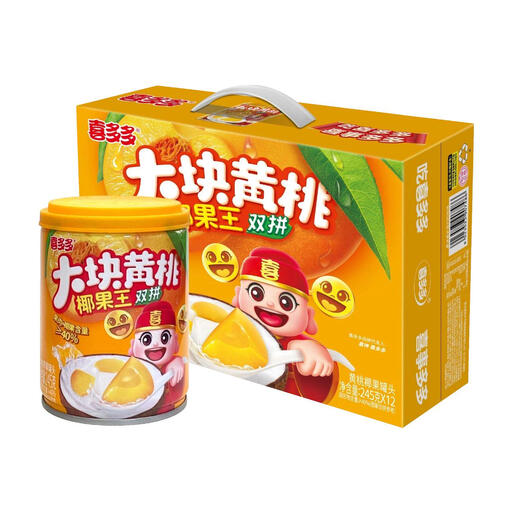 Image unavailable
This multipack of separate tins suits several planned servings. Check that the total quantity fits how you intend to use it.
This is a mix of yellow peach and nata de coco, not a cocktail of several fruits. The product listing recommends adult supervision when children under five consume it.
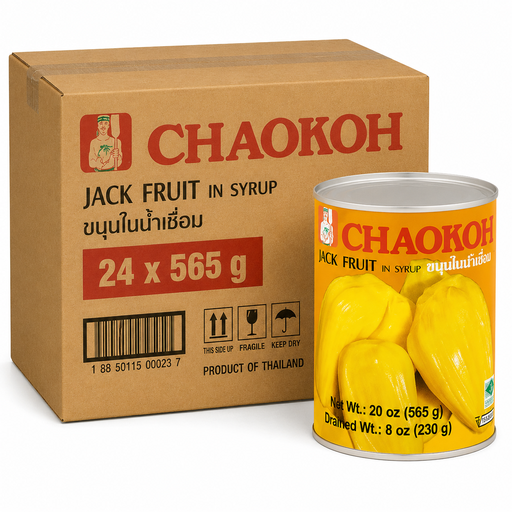 Image unavailable
This pack is suited to preparing food in larger quantities or over an extended period, if you have a use planned for all 24 tins.
Jackfruit is a single fruit, not a fruit cocktail. Check how much you’ll actually need and read the storage instructions for after opening.
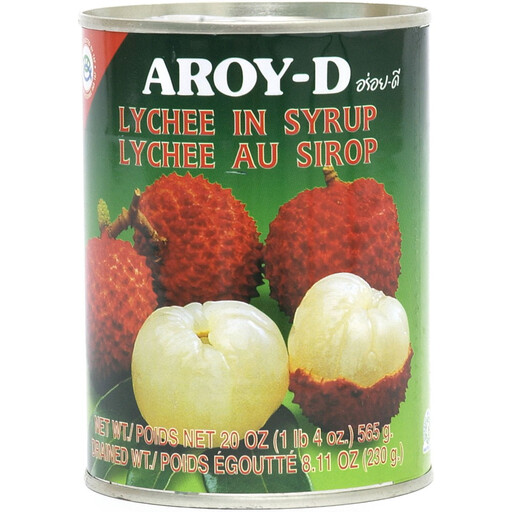 Image unavailable
This tin can be used in a dessert or fruit salad if you’d like to add lychees.
It contains lychees, not a mixed fruit selection. Check the ingredients and storage instructions for the product you buy.
To estimate the quantity of fruit without the syrup, compare the drained net weight where it’s shown. The net weight is the total weight of the packaged product. Read both figures on the products you’re considering.
No, that wording alone doesn’t confirm that there are no added sugars. E.Leclerc lists sugar in the ingredients for its Douceur du Verger fruit cocktail in light syrup. Check the exact claim, ingredients and ‘of which sugars’ figure per 100 g for each product.
Follow the storage instructions for the product you’ve bought, as storage times can vary. Auchan says its 340 g exotic fruit mix can be kept in the fridge for two days in a suitable airtight container. The Joybuy listing for the 425 g St Mamet fruit cocktail says three to four days in the fridge in a suitable container. These instructions don’t apply to other formats.
Look for the product name, ingredients list, allergen information, net quantity, date, any storage instructions and nutritional values. The DGCCRF and the European Union list these among the details required on labels for prepacked food in France.