If you’re making a dessert to share
For a fruit salad, tart or dessert glasses to serve several guests, the drained weight helps you work out how much fruit you’ll have to serve.


For an Easter dessert to share, choose a format by comparing the drained weight with the amount your recipe needs, rather than looking only at the total weight of the container. Individual pots are better suited to serving separate portions and mean you won’t need to open a large tin if some of the fruit might be left over. To compare recipes, check the ingredients and nutritional information: ‘no added sugars’ does not mean ‘sugar-free’.
For a fruit salad, tart or dessert glasses to serve several guests, the drained weight helps you work out how much fruit you’ll have to serve.
Individual pots and multipacks let you serve separate portions without opening a large tin straight away. Just check that there are enough containers for everyone.
To tell fruit in syrup apart from a product labelled ‘no added sugars’, compare the ingredients and the ‘of which sugars’ line in the nutritional information.
For an Easter lunch, first work out how much fruit you’ll need to serve, then choose the recipe and serving format. A large tin and a multipack can both work, but they won’t suit the same dessert or number of portions.
| What to consider | What to check | Who it matters to |
|---|---|---|
| Amount of fruit | Compare the drained weight with the number of guests and how much fruit the dessert contains. | If I’m making a dessert to share, I want enough fruit to go round without mistaking the liquid for the fruit I’ll be serving. Around 42% of consumers are said to prioritise this amount. |
| Ingredients and sugars | Read the ingredients, check whether it says ‘no added sugars’, and look at the ‘of which sugars’ figure per 100 g. | If guests are concerned about added sugar, I want to be able to compare recipes without assuming that fruit preserved in juice is sugar-free. This is said to be the first thing around 33% of consumers look at. |
| Serving and leftovers | Check how many individual pots are included or, for a tin, what the instructions say to do after opening. | When I’m serving separate portions, I’d rather not open more fruit than I need. Ease of serving and managing leftovers are said to come first for around 25% of consumers. |
The total weight includes the liquid. For example, Auchan lists its POUCE peach halves in a 820 g tin, but the drained fruit weighs 465 g.
Compare drained weights and consider the other ingredients in your dessert before deciding how many tins to buy.
According to Anses, a product with no added sugars can still contain naturally occurring sugars.
Check the ingredients and the ‘of which sugars’ figure per 100 g for the product you choose.
Once-opened storage instructions matter if you won’t be serving the whole contents at lunch. For its Williams pears in light syrup, Auchan says to store the fruit in its liquid in the fridge and eat it soon after opening.
Check the instructions for the product you buy. If you don’t plan to use the leftovers, choose a smaller pack or individual portions.
This supermarket own-brand range offers fruit in syrup in both large containers and individual portions.
This E.Leclerc own-brand range includes several fruits in light syrup in medium-sized containers.
This Auchan own-brand range includes peach halves in light syrup in an 820 g tin.
The range includes different fruits in containers for sharing or individual portions.
These products offer a few different ways to put your dessert together: a fruit cocktail to share, smaller containers to portion out, and individual fruits for a recipe or presentation of your choice. Compare the format with the amount of fruit you need.
 Image unavailable
This 850 g container could be used to make a dessert to share. Check its drained weight to work out how much fruit you’ll have to serve.
 Image unavailable
The three containers let you serve individual portions without opening one large pack. Check whether three portions and their drained fruit weight are right for your guests.
 Image unavailable
These pear halves are a good choice if you’d like to serve the fruit on its own or add it to a tart. The product title gives a drained weight of 455 g; compare this with the number of portions you’re planning.
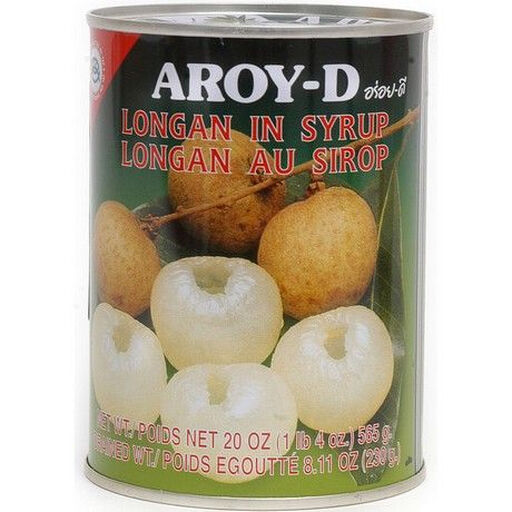 Image unavailable
This 565 g container lets you add longans to a dessert or fruit salad. Check the drained weight before deciding how many portions to prepare.
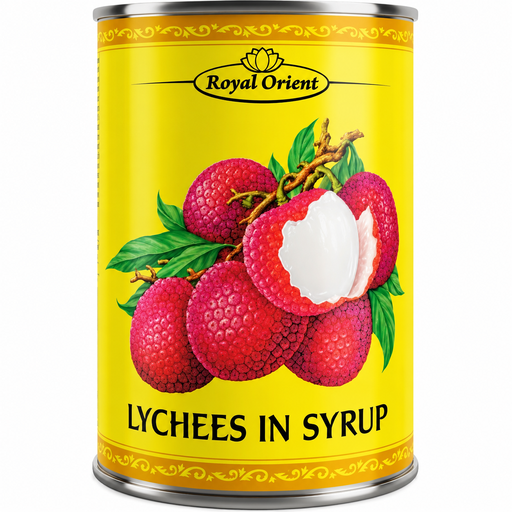 Image unavailable
For a lychee dessert, this container has a total weight of 567 g. Check the drained weight to plan your portions, and refer to the pack’s nutritional information if you’re comparing sugar content.
Choose a large tin if the fruit is going into a dessert to share; individual pots are a good option if you want to serve separate portions. Either way, compare the amount of drained fruit you need and, for a multipack, the number of containers.
No. According to Anses, a product with no added sugars can still contain naturally occurring sugars. Check the ingredients and the ‘of which sugars’ figure per 100 g for the product you choose.
Follow the instructions on the product you buy. For its Williams pears in light syrup, Auchan says to store them in their liquid in the fridge and eat them soon after opening.
Don’t eat the contents of a tin that’s swollen or shows anything unusual when opened. The French Ministry of Agriculture reminds consumers that tinned food is among the foods associated with a risk of botulism.