Anyone making several desserts
For a tart, a layered dessert or several dessert glasses, the amount of drained fruit matters more than the tin’s total weight. A large pack is most convenient if you’ve planned how to use the remainder after opening.


If you’re making several desserts ahead of time, a large tin can be a good choice if its drained weight covers your recipes and you can use the remainder within the stated time after opening. Fruit pots are better suited to individual portions, with no opened tin left over. If presentation matters, choose the shape of the fruit to suit your dessert rather than relying on the word “luxury” alone. Check the ingredients and nutritional information too if you want to adjust the sweetness of your recipe.
For a tart, a layered dessert or several dessert glasses, the amount of drained fruit matters more than the tin’s total weight. A large pack is most convenient if you’ve planned how to use the remainder after opening.
If your dessert already contains other sweet ingredients, compare fruit in light syrup, fruit in juice or products labelled “no added sugar”. Read the ingredients and nutritional information for the product you choose: its description doesn’t tell you how sweet the finished dessert will be.
For layering in dessert glasses or finishing a bake with clearly recognisable fruit, check whether the product contains halves, slices or pieces. A fruit cocktail gives a different look, where the arrangement of each individual fruit matters less.
Start with the number of desserts you’re making, then compare the drained fruit weight, the recipe for the packing liquid and the shape of the fruit. A large tin and individual pots don’t serve the same portioning needs.
| Criterion | What to check | Who is it for? |
|---|---|---|
| Quantity and using up the remainder | Compare the net drained weight with the quantities needed for your recipes, then check the instructions for after opening. | I’m making several desserts with the same fruit and want to use the whole tin within the recommended time. Around 36% of consumers put this first. |
| Sweetness of the recipe | Check the product description, ingredients and the “sugars” line in the nutritional information per 100 g. | If I’m already adding sweet ingredients to my dessert, I want to choose a tin with the whole recipe in mind. This is the priority for around 29% of consumers. |
| Shape of the fruit | Choose halves or slices if you want the shape to be visible; look for pieces or fruit cocktails for a mix. | For dessert glasses or finishing a bake, I want to be able to arrange clearly recognisable fruit. Around 21% of consumers prioritise this presentation. |
| Individual portions | Check the quantity in each pot and how many pots you’ll need. | I’m making a few separate desserts and would rather open each portion when I need it than keep a large tin after opening. Around 14% of consumers prioritise this option. |
The total weight includes the packing liquid. If you’re topping a tart or dividing fruit between dessert glasses, the drained weight is what helps you work out the portions.
Check the net drained weight and compare it with the amount you’ll need for each dessert.
A large tin is less useful if you can’t use its contents within the stated storage period after opening. For this particular product, Auchan’s peach halves listing says to transfer the remainder to an airtight container, refrigerate it and use it within two days.
Plan how you’ll use the fruit before buying it, then follow the storage instructions on the packaging you choose.
Labels such as “light syrup”, “in juice” or “no added sugar” describe the product you buy, not the other ingredients you’ll add to your dessert.
Read the ingredients and nutritional information for the specific product, then decide how to use the packing liquid in your recipe.
The word doesn’t tell you the shape of the fruit, the drained weight or what’s in the syrup. It’s not enough on its own to help you choose a topping for several desserts.
Compare the fruit variety and shape, ingredients and after-opening instructions against the desserts you’re planning to make.
Carrefour’s range includes fruit in large tins and individual pots, with a choice of fruit varieties and shapes.
E.Leclerc’s range includes peach halves, fruit cocktails and pots of fruit in light syrup.
Auchan offers peach and pear halves in light syrup, among other products. Its 840 g peach halves are presented for recipes such as compotes, layered desserts and tarts.
Depending on the product, ALDI offers pears, fruit cocktails and sliced mango in syrup.
These tins and this multipack offer options for desserts made with mango, peaches, lychees, mixed fruit or cherries. If you’re making several portions, compare the pack size with the amount of fruit you need and check the instructions for the specific product.
 Image unavailable
The slices are a good option for a dessert where you want the shape of the mango to show. The pack is 425 g; check the drained weight to work out how much fruit you’ll have. After opening, the product listing says to transfer the contents to a suitable container, refrigerate and use within two days.
 Image unavailable
The peach halves are ideal when you want the fruit to remain recognisable in your topping. The 230 g refers to the drained weight, not necessarily the total weight of the pack, so check that this amount will be enough for your desserts. The product listing says to refrigerate in a suitable container and use within three to four days of opening.
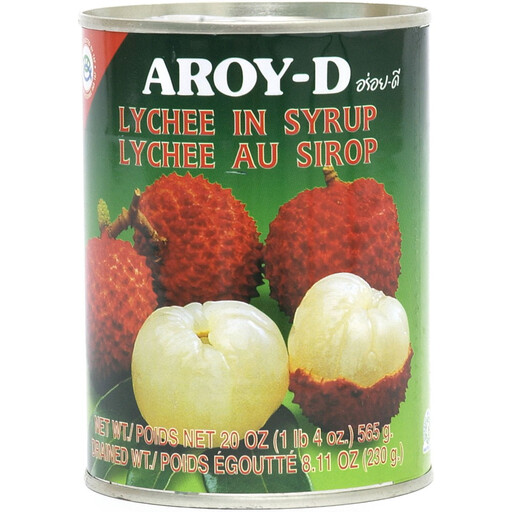 Image unavailable
Lychees offer another fruit option to add to desserts or fruit salads. The tin contains 565 g in total, so check the drained weight before working out your portions. The product listing says to refrigerate after opening and use within two days.
 Image unavailable
This multipack of three tins could be a good choice if you want to open them as you make different desserts. Each tin is listed as 125 g; check the drained weight to find out how much fruit is available. Once opened, the product listing says to refrigerate and use within three to four days.
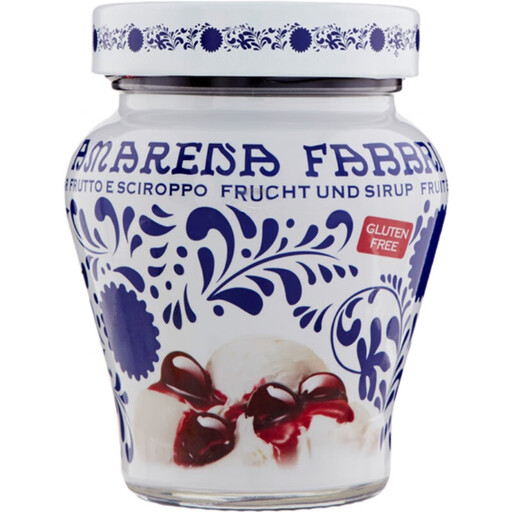 Image unavailable
This 230 g jar could be a good option for topping desserts with cherries, rather than providing a large amount of fruit on its own. Before planning several desserts, check the drained weight, ingredients and after-opening instructions on the product you choose. Its name alone isn’t a substitute for these checks.
Follow the storage time and instructions on the packaging of the product you buy. The Ministry of the Economy reminds consumers to follow the manufacturer’s guidance after opening. For its peach halves in light syrup, Auchan says to transfer them to an airtight container, refrigerate and use within two days. This guidance for Auchan peaches doesn’t automatically apply to other products.
No. Only use the packing liquid if your recipe calls for it. If you mainly need the fruit for a topping, drain it and take into account the other ingredients you’ll be adding to the dessert.
The label alone doesn’t tell you how much fruit there is or what shape it comes in. For a bake, check whether the product contains halves, slices or pieces, then look at its drained weight and ingredients.
Fruit pots are a good choice if you’re making individual desserts at different times and don’t want to store a large tin once it’s been opened. If you’re making several desserts at once, compare the amount of fruit in each pot with the amount in a larger tin before choosing a pack size.