People preparing ready-to-serve portions
If dessert is served directly with each meal, an individual pot saves you from portioning fruit out of a large container at serving time.


For a dessert in a delivered meal, choose fruit in syrup by checking the fat and sugar values separately per 100 g: a low fat content alone tells you nothing about the sugar content. Individual pots are handy when each meal needs a ready-to-serve portion; with a large tin, you’ll need to portion out the fruit and follow the storage instructions once opened.
If dessert is served directly with each meal, an individual pot saves you from portioning fruit out of a large container at serving time.
If you’re looking for a low-fat option without overlooking the sugar content, compare the nutrition information per 100 g, especially the ‘of which sugars’ line.
If you can portion out the fruit before delivery, a large container may be suitable. Just plan how you’ll divide it up and follow the storage instructions once opened.
For delivered meals, first check the ingredients and nutrition information per 100 g, then choose packaging that suits how you’ll prepare and hand out the portions.
| Criteria | What to check | Who it’s for |
|---|---|---|
| Fat and sugars | Compare the fat and ‘of which sugars’ values per 100 g, as well as the ingredients list. For the claim ‘low fat’ on a solid food, European Regulation (EC) No 1924/2006 sets a limit of 3 g per 100 g. | If I’m looking for a low-fat option, I also want to know how much sugar the dessert contains. Around 36% of consumers would put this nutrition check first. |
| Individual portions | Check how many pots are included and how much fruit there is per portion. If necessary, distinguish between the net drained weight and the weight including liquid. | When desserts are handed out individually, I want to avoid portioning a tin at serving time. A ready-to-distribute portion would be the priority for around 36% of consumers. |
| Preparation and leftovers | For a large container, plan how you’ll portion out the fruit and check the storage instructions for once it’s opened. | If several meals are prepared in the same place, I want to use the contents without disrupting meal prep or leaving leftovers that are difficult to manage. This would be the top priority for around 28% of consumers. |
These figures describe different things. According to Auchan’s product information for St Mamet peach, pear and pineapple fruit salad with no added sugars, the product contains less than 0.5 g of fat, but 12 g of sugars per 100 g.
Check both lines in the nutrition information per 100 g, even if the packaging says ‘no added sugars’.
A shared tin means you’ll have to portion out the fruit, whereas the pots shown by Carrefour and Auchan are already packed as individual servings.
Decide where you’ll prepare the portions before choosing a pack size.
A large container takes extra time to portion out and may leave leftovers once opened.
Carrefour offers a Carrefour Classic’ orchard fruit cocktail with no added sugars, as well as Carrefour Classic’ apricots whose ingredients list includes sugar.
Check the product name, ingredients and nutrition information for the specific product you’re buying.
These brands showcase different formats of fruit in syrup; details vary from product to product.
The range includes large containers of fruit salad and cocktails in individual pots featured by Auchan.
Carrefour sells both individual pots and tinned fruit in syrup under this brand.
E.Leclerc sells pots and tinned fruit under this brand, including fruit in light syrup or pineapple juice.
E.Leclerc’s range of fruit in light syrup includes tinned fruit cocktails and pineapple.
ALDI France sells fruit pots and a cocktail in light syrup under this brand.
These packs of fruit in syrup need to be portioned out if you’re preparing several desserts in one place. To choose between them, check the nutrition values per 100 g on each pack, the amount of fruit to serve and the instructions for once opened.
 Image unavailable
If you’re preparing several desserts in one place, you’ll need to portion out these pear halves before the meals are delivered.
The title states that the pack contains 455 g of drained fruit. Check the nutrition information and storage instructions for once opened on the packaging.
 Image unavailable
This 425 g pack is suitable if you can portion out the fruit before the meals are delivered.
To work out how much fruit to serve with each dessert, check the net drained weight on the packaging, as well as the nutrition values per 100 g.
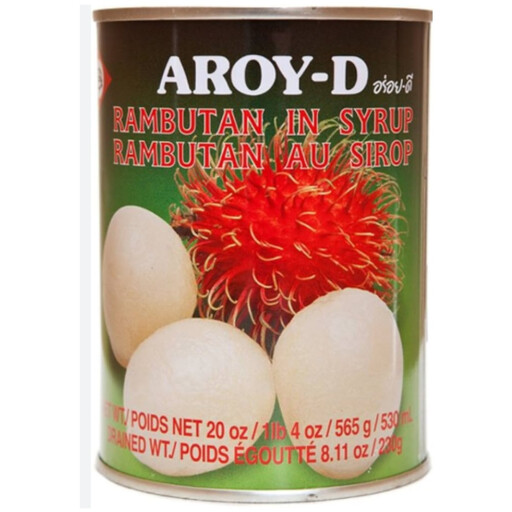 Image unavailable
If you’re preparing desserts in one place, this 565 g container needs to be portioned out before serving.
Compare the fat and sugar values per 100 g, then follow the storage instructions for once opened.
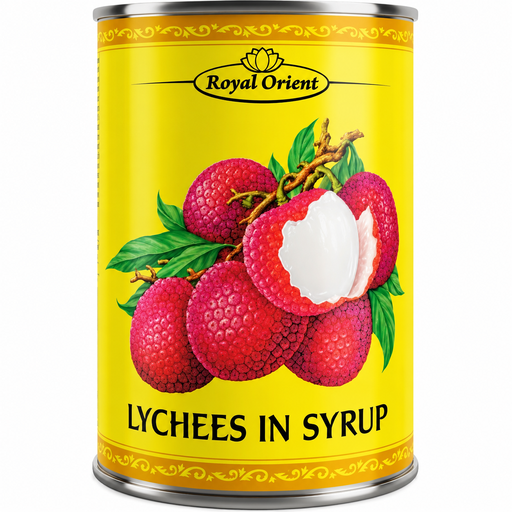 Image unavailable
This 567 g pack needs to be portioned out if the lychees are for several meals.
Check the net drained weight to plan your portions, and follow the packaging instructions for storing the product once opened.
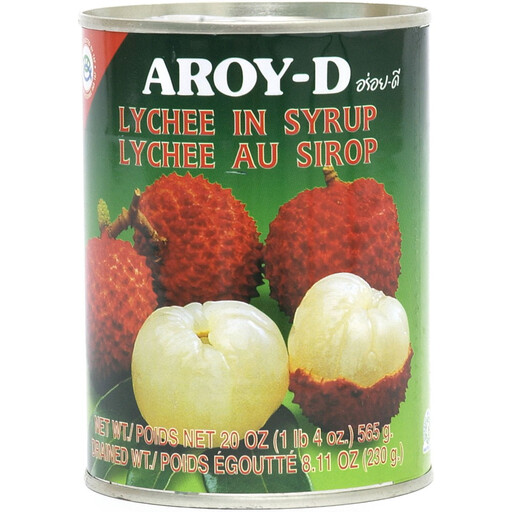 Image unavailable
If you’re preparing several desserts together, this 565 g pack needs to be portioned out before serving.
Check the net drained weight, nutrition values per 100 g and the storage instructions for once opened for this specific product.
No: the claim doesn’t mean that the fruit or its juice contains no sugars. For example, Auchan’s product information for St Mamet peach, pear and pineapple fruit salad with no added sugars states that it contains 12 g of sugars per 100 g. Compare the ‘of which sugars’ line for the product you choose.
For solid foods, European Regulation (EC) No 1924/2006 sets a limit of 3 g of fat per 100 g for this claim. Check the value per 100 g for the product in question; it doesn’t tell you how much sugar it contains.
Choose individual pots if each dessert needs to be handed out ready to serve. A large tin may be suitable if you can portion out the fruit before delivery and follow the storage instructions once it’s opened.
Compare their fat and sugar values per 100 g, then check the ingredients and net drained weight if you need to work out how much fruit to serve per portion. The DGCCRF states that nutrition information for pre-packed foods includes fat and sugars, among other details.