If you avoid added sugar
You want a topping with no added sugar: distinguish the words ‘no added sugar’ from the total amount shown on the ‘of which sugars’ line.


When choosing fruit in syrup for crêpes, don’t base your decision on fat content alone. The products featured here are already low in fat, but sugar content, the type of fruit and the amount of liquid can also affect your choice. If you want to avoid added sugar, look for the words ‘no added sugar’ and then check the total sugars. To serve several crêpes without too much liquid, compare the drained net weight and drain the fruit before serving.
You want a topping with no added sugar: distinguish the words ‘no added sugar’ from the total amount shown on the ‘of which sugars’ line.
You want to compare nutritional values without assuming that ‘low fat’ means ‘low sugar’. The two products featured by Auchan and Carrefour contain less than 0.5 g and 0.5 g of fat per 100 g respectively. Check the value for the product you’re buying.
Not sure whether to choose individual pots or a larger container? The drained net weight helps you estimate how much fruit you’ll have to serve, while the storage instructions matter if you expect to have leftovers.
Start with the factor that matters most to you, then compare the other details on the exact product rather than relying on a single claim on the front of the pack.
| Criteria | What to check | Who it matters to |
|---|---|---|
| Sugars | Compare any ‘no added sugar’ claim with the ingredients and the ‘of which sugars’ figure per 100 g. | If I want to avoid adding sugar to my crêpes, I also need to know how much sugar the fruit I choose contains. Around 36% of consumers are said to put this distinction top of their list. |
| Fat | Check the amount of fat per 100 g for each product you’re considering. | I’m mainly looking for a low-fat topping, without assuming all recipes are alike. This is said to be the top priority for around 29% of consumers. |
| How well it sits on the crêpe | Check the drained net weight and the size of the pieces; drain the fruit before serving. | When folding or serving my crêpes, I’d rather be able to portion out the fruit without pouring on too much syrup or juice. This is said to be the top consideration for around 21% of consumers. |
| Pack size | Compare the number of individual pots or the size of the container with the drained net weight and the storage instructions after opening. | If I’m topping several crêpes, I want enough for everyone and don’t want to leave a container open unnecessarily. Around 14% of consumers are said to prioritise pack size. |
The St Mamet fruit salad featured by Auchan is labelled ‘no added sugar’, but contains 12 g of sugars per 100 g.
Check the claim, ingredients and ‘of which sugars’ figure together for the product you choose.
The St Mamet fruit salad featured by Auchan contains less than 0.5 g of fat per 100 g, while the St Mamet raspberries featured by Carrefour contain 0.5 g. These figures don’t apply to every product, or tell you how much sugar they contain.
After checking fat, compare the sugars, ingredients and pack size to find the right option for your crêpes.
Some of the contents will be syrup or juice, so the drained net weight is a more useful guide to how much fruit you’ll have for your topping.
Look for this weight on the pack and drain the fruit before adding it to your crêpes.
The date printed on an unopened container doesn’t replace the manufacturer’s instructions for once it has been opened.
Follow the storage conditions and use-by period after opening shown on the packaging.
These examples show a range of recipes and pack formats to compare. The features of one product don’t necessarily apply to the whole range.
The brand offers fruit cocktails and fruit salads, including some products labelled ‘no added sugar’.
Carrefour offers a no-added-sugar orchard fruit cocktail in four pots, each with a drained net weight of 70 g.
E.Leclerc offers fruit in light syrup under this brand, including peaches, apricots and fruit cocktails.
The retailer’s fruit-in-syrup range includes individual pots of peaches in light syrup.
These Joybuy products include pears, fruit cocktails and lychees in syrup. To choose your topping, compare the fruit, pack format and information shown on each pack.
 Image unavailable
If you’re topping several crêpes with pears, you can cut the halves into smaller pieces before serving.
The product name states 455 g drained; check the weight on the pack, along with the ingredients and sugar content.
 Image unavailable
A fruit cocktail is a good option if you’d like a mixed-fruit topping rather than just one type of fruit.
The stated pack size is 425 g; check the drained net weight to estimate how much fruit you’ll have to serve.
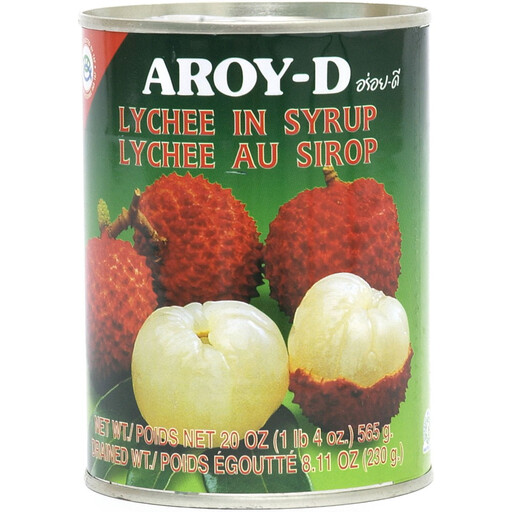 Image unavailable
If you’d like to top your crêpes with lychees, drain them before serving.
The stated pack size is 565 g; check the drained net weight, ingredients and nutritional information.
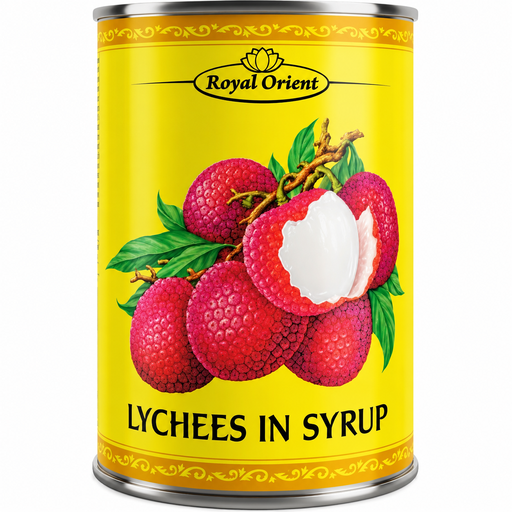 Image unavailable
This alternative pack of lychees in syrup is another option for a topping that you can drain before serving.
The stated pack size is 567 g; check the drained net weight and nutritional information on the packaging before comparing it with other products.
 Image unavailable
This larger pack of fruit cocktail could be a good choice if you’re making several crêpes.
The stated pack size is 850 g; the drained net weight will help you work out how much fruit you’ll have to serve. Check the ingredients and sugar content on the packaging too.
No. This claim doesn’t mean the product contains no sugar. The St Mamet fruit salad featured by Auchan, for example, contains 12 g of sugars per 100 g. Check the ‘of which sugars’ figure as well as the claim.
No. For crêpes, also consider the sugars, the amount of drained fruit and how much liquid you want to serve. The two St Mamet products featured by Auchan and Carrefour contain 0.5 g of fat or less per 100 g, but those figures don’t apply to every product.
Compare the ingredients and nutritional information per 100 g, then check the drained net weight if it’s shown on the pack. The DGCCRF states that the product name, ingredients list, nutrition declaration and net quantity are among the labelling details required for prepacked foods.
Follow the storage instructions and time limit shown on the packaging of the product you’ve bought. The date on an unopened pack doesn’t replace the instructions for after opening.