What should you look for?
First decide whether you’ll be serving one sharing dish or individual portions. Then compare the amount of fruit, the recipe and the shape that best suits your dessert.
| What to consider |
What to check |
Who is it for? |
| How much to share |
Compare the drained net weight and the size of the container, not just the weight shown on the pack. |
If I’m making a dish for several guests, I want enough fruit without having to buy lots of small pots. Around 50% of consumers would put having enough to share at the top of their list. |
| Liquid and added sugars |
Check the product description, ingredients list and nutritional information for the product you’re considering. |
If the recipe matters most to me, I’ll look for fruit in juice or syrup, or labelled “no added sugar”, even if it comes in a smaller pack. This would be the top priority for around 30% of consumers. |
| Shape of the fruit |
Check whether the fruit comes in pieces, slices or halves, and what’s included in a fruit cocktail. |
If I’m topping a tart or putting together plated desserts, I need fruit in a suitable shape rather than a ready-to-pour mix. Presentation would come first for around 20% of consumers. |
Fruit in syrup on Joybuy
This selection includes fruit cocktails for a sharing dish, pear halves for plating and fruit in syrup to add to a dessert. Pack sizes vary, so work out how much fruit you need before planning how to serve it.
 Image unavailable
St Mamet Fruit Cocktail in Syrup, 850 g
A fruit cocktail to consider if you’re serving several types of fruit in one sharing dish.
Pack size shown: 850 g. Check the drained net weight to work out how much fruit you’ll have to serve.
Once opened, follow the storage instructions on the packaging.
View on Joybuy
 Image unavailable
St Mamet Williams Pear Halves in Light Syrup, 455 g drained
Pear halves are a good choice if you want to arrange the fruit on plates or use it in baking.
The title gives a drained weight of 455 g. Compare this with the number of portions you’re planning.
View on Joybuy
 Image unavailable
St Mamet Fruit Cocktail in Syrup, 425 g
This fruit cocktail can add to a dessert or suit a smaller sharing dish.
Pack size shown: 425 g. Check the drained net weight before working out the portions.
View on Joybuy
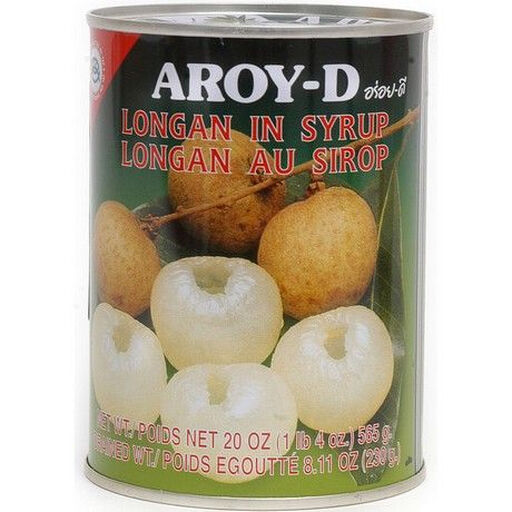 Image unavailable
Aroy-D Longans in Syrup, 565 g
Longans are worth considering if you want to add fruit in syrup to a dessert with several ingredients.
Pack size shown: 565 g. If you’re planning to serve them on their own to several guests, compare the drained net weight.
View on Joybuy
 Image unavailable
AROY-D Rambutan in Syrup, 565 g
Rambutan is worth considering as part of a dessert with several ingredients or a fruit salad.
Pack size shown: 565 g. Check the drained net weight to work out how much to serve.
The product page warns that the product may contain traces of soya and milk, and poses a choking hazard to young children. Keep this warning in mind and check the label before serving.
View on Joybuy
Frequently asked questions
How much fruit should I allow for each guest?
Start with the drained net weight, which tells you how much fruit there is without the liquid. Adjust the amount to the number of people, the portion size you want and the other elements of the dessert. The total weight of the tin on its own isn’t enough to go by.
Fruit cocktail or fruit halves: which should I choose for Christmas?
A fruit cocktail works well when you want to serve several types of fruit in one dish. Fruit halves are a better choice if their shape matters for your recipe or presentation. Auchan, for example, lists peach halves for tarts, layered desserts and compotes.
What should I do with fruit in syrup after opening?
Follow the storage instructions for the product you’ve bought. For example, an Auchan fruit mix product page says to transfer any leftovers to an airtight container, refrigerate them and eat them within two days. This timeframe doesn’t apply to every tin.
Can I serve fruit from a dented, rusty or bulging tin?
If you’re unsure, don’t use a tin showing any of these signs. The DGCCRF says that dents, rust or a bulging tin may indicate that the product has spoiled.
Does “no added sugar” mean “sugar-free”?
No: fruit contains naturally occurring sugars. To compare two products, check their ingredients lists and nutritional information, particularly the “sugars” per 100 g, rather than relying on this claim alone.


