Anyone making a dessert to share
For a tart, fruit salad or layered dessert, the shape of the fruit and the drained quantity matter more than the tin’s total weight alone. Halves and large tins of fruit cocktail suit different uses.


For a dessert to share, first choose the shape of fruit you need, then compare the drained net weight of the formats you’re considering: the tin’s total weight includes the syrup too. For a buffet with small portions, individual pots make serving easier; a large tin is a better choice if you plan to use its contents after opening.
For a tart, fruit salad or layered dessert, the shape of the fruit and the drained quantity matter more than the tin’s total weight alone. Halves and large tins of fruit cocktail suit different uses.
If the dessert is for several people, check the drained net weight to estimate how much fruit you’ll have, then plan how to use any leftovers after opening.
For a buffet or individual desserts, pots let you open the containers as you need them. Carrefour and Auchan offer multipacks, including some products labelled ‘no added sugars’.
First decide whether the fruit will be used in a recipe or served as it is. Then compare the formats by drained quantity, fruit cut and how you can store any leftovers after opening.
| Criteria | What to check | Who it matters to |
|---|---|---|
| Usable quantity of fruit | Compare the drained net weight of products packed in liquid with the amount your recipe needs. | For a dessert to share, I want enough fruit once the syrup has been drained. Around 44% of consumers would rank this usable quantity as their top priority. |
| Shape and ingredients | Check whether the fruit is in halves, slices or a cocktail, then check which fruits are listed in the ingredients. | If the fruit needs to be visible on a tart, its cut affects how I prepare it; a mix might work better for a fruit salad. The shape best suited to the recipe would be the priority for around 33% of consumers. |
| Portions and syrup ingredients | Check the number of containers, the liquid the fruit is packed in, the ingredients, sugars per 100 g and instructions for storing the product after opening. | When I serve desserts individually, I prefer to open only the portions I need and check the ingredients on the label. Around 23% of consumers would prioritise these questions about portions or ingredients. |
For tinned fruit in syrup, the total weight includes the liquid. The French Directorate General for Competition Policy, Consumer Affairs and Fraud Control states that the drained net weight must be shown when a food is packed in a covering liquid.
For a recipe, compare the drained weight with the amount of fruit you need.
The storage instructions for the Auchan peaches and fruit cocktails reviewed say to keep them in an airtight container in the fridge and eat them within two days of opening.
Choose a format to suit the portions you’re planning and follow the instructions on the product you buy.
A fruit cocktail combines several fruits, while halves or slices let you choose a specific shape for an attractive topping.
Check the cut and list of fruits if the presentation or mix matters for your dessert.
On its own, this claim doesn’t tell you how much sugar the finished product contains.
Read the ingredients and nutritional information for the specific product, including sugars per 100 g.
These own-label brands are available in Carrefour’s tinned fruit aisle, with fruit cocktails; Carrefour Classic’ also offers individual pots.
The range reviewed includes peach halves, fruit cocktails and individual pots, so you can choose to suit your recipe and how you’re serving it.
This Auchan brand includes an 825 g tin of four-fruit cocktail in light syrup.
St Mamet includes an 850 g tin of fruit cocktail in syrup, available in Carrefour’s range.
This Joybuy selection includes sliced or whole fruit in syrup, as well as fruit cocktails in tins and small containers. Choose the shape that suits your dessert, then check the drained weight and instructions shown on each product.
 Image unavailable
Worth considering if your dessert calls for mango slices rather than a fruit mix. Check the drained net weight to work out how much mango you can use.
After opening, follow the instructions to transfer the product to a suitable container, refrigerate it and use it within two days.
 Image unavailable
This format could work for a dessert to share if you plan to use the contents. The product details for the 850 g cocktail list peaches, pears, pineapple and grapes; check its drained net weight for your recipe.
After opening, follow the instructions to keep it refrigerated in a suitable container for 3 to 4 days.
 Image unavailable
The three containers let you open the fruit mix as you serve it. Check the drained net weight of each container if the amount of fruit per dessert is important.
For any opened container, follow the instructions to keep it refrigerated in a suitable container for 3 to 4 days.
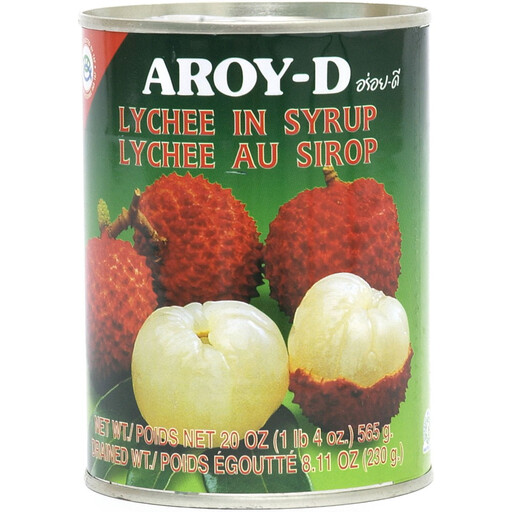 Image unavailable
Consider this if you’d like lychees in your dessert rather than a fruit cocktail. Check the drained net weight to adjust the quantity to suit your recipe.
After opening, the instructions say to refrigerate the product and eat it within two days.
 Image unavailable
This 425 g tin suits a recipe that calls for a fruit cocktail rather than a single fruit. Check the drained net weight before working out how much your dessert needs.
After opening, follow the instructions to keep it refrigerated in a suitable container for 3 to 4 days.
To find out how much fruit you’ll have for your dessert, check the drained net weight: the total weight includes the liquid too. The French Directorate General for Competition Policy, Consumer Affairs and Fraud Control states that the drained net weight must appear on the label when a food is packed in a covering liquid.
Follow the instructions on the product you buy. The product details for several Auchan peaches and fruit cocktails say to transfer the contents to an airtight container, keep them refrigerated and eat them within two days of opening; instructions may differ for other products.
No: ‘no added sugars’ doesn’t mean the product contains no sugar. To compare two fruit-in-syrup products, check the ingredients and the amount of sugars per 100 g in the nutritional information for each one.