What should you compare?
For an Asian-themed evening, check fat and sugar as two separate factors first, then choose the fruit and how much to serve.
| Factor |
What to check |
Who is it for? |
| Fat and sugar |
Compare the fat and sugar figures per 100 g, then read the ingredients to check whether sugar has been added. |
If I want to limit added sugar, low fat alone isn’t enough to choose between two desserts; around 42% of consumers prioritise this distinction. |
| Choice of fruit |
Choose a single fruit or a cocktail to suit the dessert you have planned, without assuming their recipes are the same. |
When putting together my dessert bowls, I want fruit that suits the menu rather than a selection chosen just for its name; variety is the top priority for around 33% of consumers. |
| How much to serve |
Check the drained net weight and pack format: a tin to share or individual bowls. |
When I’m serving several guests, I need to make sure there’s enough fruit, not just compare pack sizes; around 25% of consumers put quantity first. |
Fruit in syrup on Joybuy
These lychees, longans, fruit cocktails and peach halves in syrup are suited to different desserts for an evening with guests. Compare the pack sizes, then check the ingredients for each product if you also want to avoid added sugar.
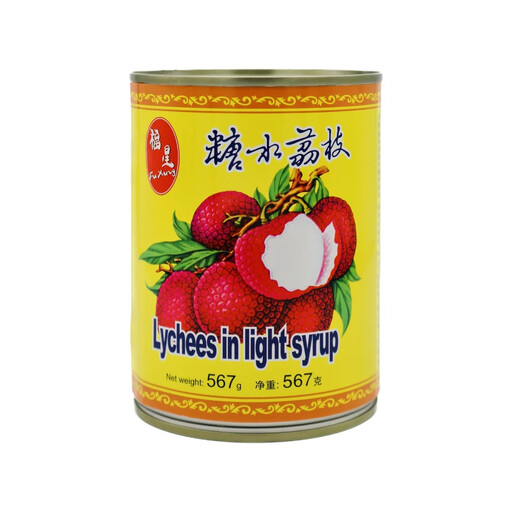 Image unavailable
FX Lychees in syrup, 2.84 kg tin
This large pack could work well for a shared dessert when you’re planning to serve lychees to several guests.
Check the drained net weight to work out how much fruit to serve. If you’re avoiding added sugar, check the ingredients list too.
View on Joybuy
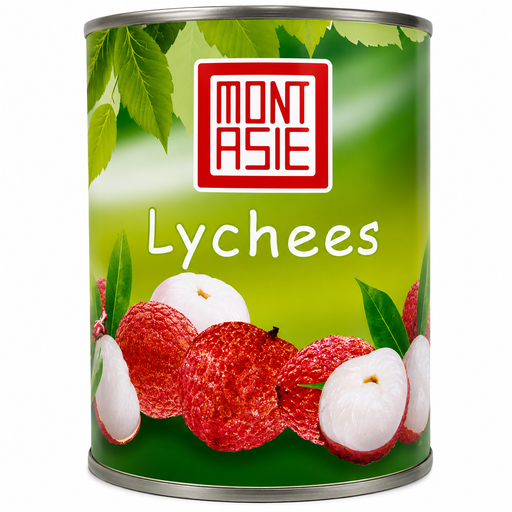 Image unavailable
Mont Asie Lychees in syrup, 567 g
This tin lets you choose lychees for a fruit salad or dessert bowls, in a smaller size than the 2.84 kg FX tin.
Check the drained net weight to plan your portions, and read the ingredients if added sugar is a factor in your choice.
View on Joybuy
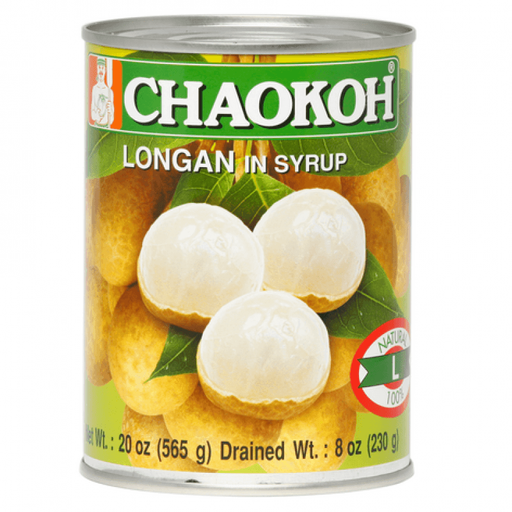 Image unavailable
CHAOKOH Longans, 565 g tin
Longans offer another fruit option for dessert bowls or a fruit salad at an Asian-themed evening.
Check the drained net weight to plan how you’ll serve them, and read the ingredients list if you’re looking for a no-added-sugar product.
View on Joybuy
 Image unavailable
St Mamet Fruit cocktail in syrup, 850 g
This cocktail is a good choice if you’d rather serve a mix of fruit than put together several tins of individual fruits yourself.
The total weight alone doesn’t tell you how much fruit you’ll have to serve, so check the drained net weight. Also read the ingredients if you want to avoid added sugar.
View on Joybuy
 Image unavailable
St Mamet Peach halves in light syrup, 230 g drained
Peach halves are a good choice if you’d like to serve peaches rather than a fruit cocktail or tropical fruit.
The weight shown is for the drained fruit. “Light syrup” doesn’t replace checking the ingredients if you’re avoiding added sugar.
View on Joybuy
Frequently asked questions
Does “low fat” mean “sugar-free”?
No: fat and sugar are two separate pieces of information. For the “low fat” claim on a solid food, European Regulation (EC) No 1924/2006 sets a maximum of 3 g per 100 g; this rule doesn’t determine the food’s sugar content. The Anses also points out that “no added sugar” doesn’t rule out naturally occurring sugars.
How do I compare two tins of different sizes?
Compare their nutritional values per 100 g, then check their drained net weights to estimate how much fruit you’ll have to serve. The DGCCRF explains that nutrition information per 100 g makes comparisons easier; when fruit is packed in a liquid, the drained net weight shows how much fruit there is without the liquid.
What should I look for on the label before choosing?
When choosing between prepacked fruit in syrup sold in France, check the product name, ingredients, nutritional information, quantity and date shown. The DGCCRF also states that allergenic ingredients must be highlighted; when planning a dessert, check the drained net weight if the fruit is preserved in liquid.
How should I store fruit in syrup after opening?
Follow the instructions on the product you’ve bought, as these can vary. For the 425 g St Mamet fruit cocktail featured by Joybuy, the instructions say to keep leftovers in a suitable container in the fridge and eat within 3 to 4 days.


