What should you look at first?
Start with the fat content per 100 g, then check protein and sugars according to the role the fruit will play in your meal. A recipe labelled ‘no added sugars’ may still contain sugars naturally present in the fruit. ‘In juice’ and ‘in light syrup’ also describe recipes whose individual labels are worth checking.
| What to consider |
What to check |
Who it matters to |
| Protein content |
The ‘protein’ line per 100 g and the protein-rich food you plan to serve with the fruit. |
If fruit is part of my meal, I don’t want to mistakenly count it as my main source of protein. Around 42% of consumers put this need first. |
| Added sugars |
The ingredients list and the ‘of which sugars’ line per 100 g, even when the product is labelled ‘no added sugars’. |
I prefer to distinguish between sugars naturally present and those added to the recipe before choosing my dessert. This is a priority for around 25% of consumers. |
| Ready-to-eat portion |
The number of pots and the drained net weight per portion. |
For a portion to take with me or a quick dessert, I’m looking for a pre-portioned amount. Around 17% of consumers prioritise this use. |
| Pack for several portions |
The drained net weight and storage instructions for after opening. |
If I use fruit over several meals, I want a container suited to how often I’ll use it, and to be able to store any leftovers according to the label. This is the main need for around 16% of consumers. |
Fruit in syrup on Joybuy
These fruit in syrup products are suitable for dessert or as an accompaniment to a protein-rich food. Their pack sizes and recipes vary, so compare the nutrition information for each product rather than assuming they all contain the same amounts of fat or sugars.
 Image unavailable
St Mamet Williams pear halves in light syrup, 455 g drained weight
Serve these pear halves as the fruit component of a dessert, alongside a protein-rich food of your choice.
The stated drained net weight is 455 g. Check the sugars and ingredients if you want to avoid added sugar in the syrup.
View on Joybuy
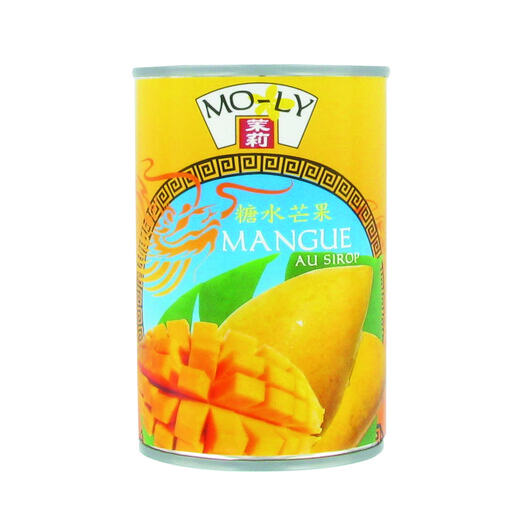 Image unavailable
MOLI mango in syrup, 425 g
Mango pieces in syrup for the fruit component of a dessert, without replacing the protein-rich food in your meal.
The stated pack size is 425 g. Check the drained net weight and nutrition information on the packaging to choose your portion.
View on Joybuy
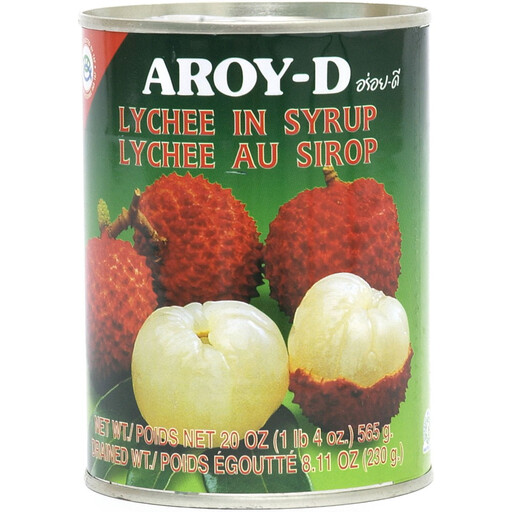 Image unavailable
Aroy-D lychees in syrup, 565 g
Lychees in syrup are worth considering for a fruity dessert, served with a separate protein-rich food if needed.
The stated pack size is 565 g. Compare the ‘of which sugars’ and fat values per 100 g with other recipes you’re considering.
View on Joybuy
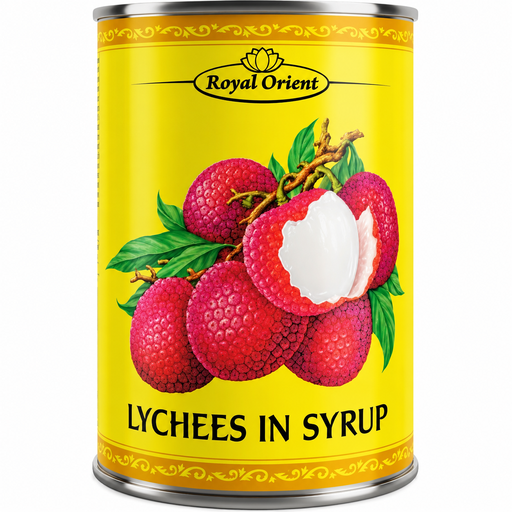 Image unavailable
Lychees in syrup, 567 g
These lychees can make up the fruit component of a dessert; check the protein content of your meal separately.
The stated pack size is 567 g. When comparing different lychees in syrup, use the values per 100 g and the drained net weight of each product.
View on Joybuy
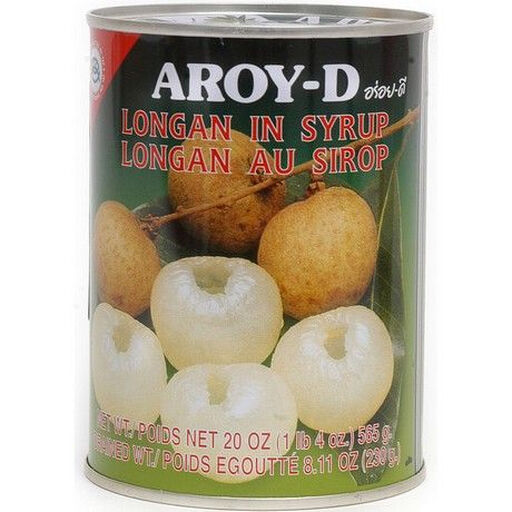 Image unavailable
Aroy-D longans in syrup, 565 g
Longans in syrup to accompany a dessert, with the protein coming from a separate food.
The stated pack size is 565 g. Check the packaging label to compare the amounts of fat, protein and sugars.
View on Joybuy
Frequently asked questions
Does fruit in syrup automatically qualify as ‘low fat’?
No. Being in syrup doesn’t establish this characteristic. For solid foods, EU Regulation (EC) No 1924/2006 restricts this claim to products containing no more than 3 g of fat per 100 g. Check the value for the specific product.
Does ‘no added sugars’ mean ‘sugar-free’?
No. Auchan’s listing for the St Mamet pots states that they contain naturally occurring sugars and 13 g of sugars per 100 g. Check the ‘of which sugars’ line even when a recipe is labelled ‘no added sugars’.
Can I count fruit in syrup as a source of protein in my meal?
Don’t assume so just because it’s low in fat: these are two separate things. Auchan’s listing for the St Mamet peach, pear and pineapple mix states that it contains less than 0.5 g of protein per 100 g. Check the product you choose and include a separate protein-rich food in your meal.
How do I compare two different pack sizes of fruit in syrup?
First compare their nutrition information per 100 g, then check the ingredients, packing liquid and drained net weight. The DGCCRF explains that nutrition declarations help you check fat, carbohydrates and protein, among other things. Santé publique France notes that Nutri-Score, when shown on the packaging, adds to this information but doesn’t replace it.
How should I store the remainder of a jar or pot?
Follow the storage instructions for the product you’ve bought, particularly those for after opening. Don’t automatically use the instructions from another product or pack size.


