For a quick breakfast for one
If you want to add a portion to yoghurt, cereal or porridge without having to store an opened tin, individual pots are a handy option.


For a weekday breakfast, first choose the format based on how many portions you’ll use after opening. Individual pots mean you won’t need to store the rest of a large tin, while a tin to share works well if you’ll be serving several bowls soon. Then compare the drained net weight and the ingredients. ‘No added sugars’ does not mean the product contains no naturally occurring sugars.
If you want to add a portion to yoghurt, cereal or porridge without having to store an opened tin, individual pots are a handy option.
A tin to share is a good choice when you’ll be serving several portions close together. Check the product’s storage instructions before planning to keep any leftovers.
Compare the claim on the packaging with the ingredients list and nutritional information. Fruit packed in juice can also contain naturally occurring sugars.
For weekday mornings, start by working out how many bowls you’ll be making. Then check the packing liquid, the quantity of drained fruit and the storage instructions once opened.
| What to consider | What to check | Who is it for? |
|---|---|---|
| Ready-to-serve portion | Number of pots and quantity per portion. | If I have breakfast on my own, I’d rather open one portion and not have any leftovers to put away; around 33% of consumers prioritise this convenience. |
| Added sugars and ingredients | On-pack claim, ingredients and sugars listed per 100 g. | I want to tell added sugar apart from the sugars naturally present in fruit or juice; around 27% of consumers put this check first. |
| Stocking up for the cupboard | Pack size and number of portions you could get from it. | If I want to have fruit ready for several mornings, I look for tins that suit how I usually use them; nearly 20% of consumers prioritise having this stock. |
| Amount left once opened | Drained net weight and storage instructions. | I only want to open a large tin if my household can use its contents in time; around 20% of consumers put choosing a pack size to suit their needs first. |
The St Mamet and Carrefour Classic' pots described by Carrefour contain grape juice made from concentrate. The claim ‘no added sugars’ does not rule out naturally occurring sugars.
Read the ingredients and compare the sugars listed per 100 g across products of the same type.
How long a product keeps and how to store it after opening depend on the product. A pack that’s larger than you need could leave you with uneaten fruit.
Plan the bowls you’ll be serving and check the label instructions before choosing a pack size.
The total weight of a tin includes its syrup or juice, so it doesn’t tell you on its own how much fruit you’ll have for your bowls.
Check the drained net weight if it’s shown on the packaging.
Auchan’s lychee product information says to refrigerate the contents in a container other than the metal tin once opened.
Follow the instructions for the product you’ve bought, and transfer its contents to another container if required.
Carrefour offers tins of fruit in syrup as well as individual pots from its Classic' range.
The SIMPL product listed by Carrefour is an 825 g tin of pears.
E.Leclerc offers several Eco+ fruits in light syrup in tins, including peaches and fruit cocktail.
This E.Leclerc Marque Repère range includes tins of fruit in light syrup and individual pots.
The Auchan products featured include peaches and lychees in light syrup.
ALDI France offers BACCARA fruit cocktail in light syrup in 330 g and 500 g sizes.
This selection includes tins to open individually, tins for sharing and a jar of cherries in syrup for use as a topping. Choose a size to suit the portions you have planned for breakfast.
 Image unavailable
The three small tins let you enjoy the fruit cocktail at different breakfasts. If you’re comparing portions, check the quantity of drained fruit in each tin.
 Image unavailable
This 425 g tin can provide several bowls if you plan how to store the contents after opening. Check the drained weight to see how much mango you’ll get, and follow the storage instructions on the packaging.
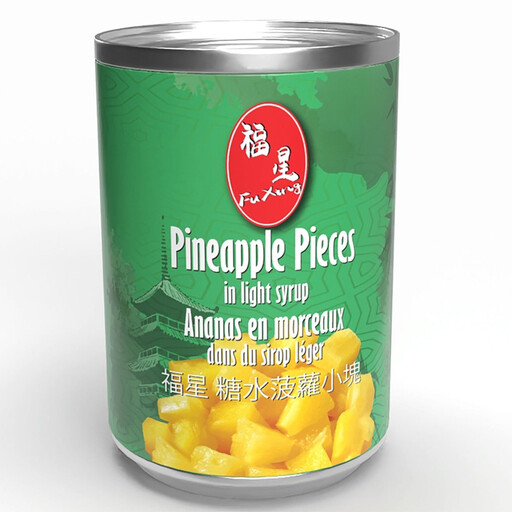 Image unavailable
If you’re making several bowls close together, this tin clearly distinguishes between the total weight and the amount of fruit: 565 g in total, including 260 g drained. Plan to store any leftovers according to the instructions on the packaging.
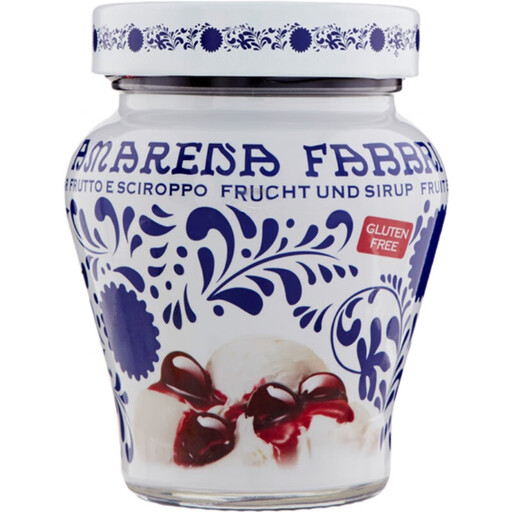 Image unavailable
This 230 g jar is ideal for adding cherries in syrup to yoghurt or cereal, rather than serving as a tin of fruit to divide into large portions. Compare the sugars listed per 100 g and check the label for storage instructions once opened.
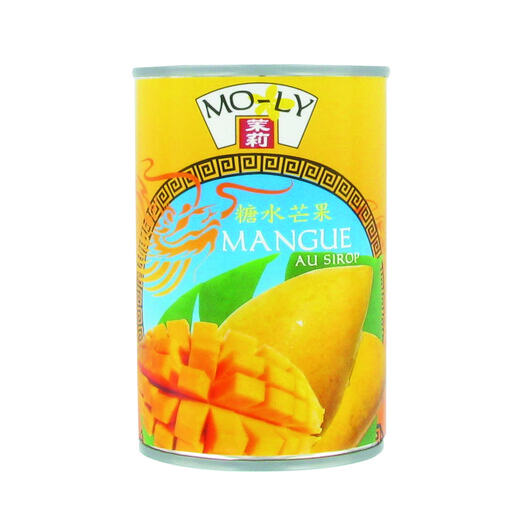 Image unavailable
This 425 g tin can be used to top several breakfasts over a short period. If added sugars are a factor in your choice, check the ingredients on the label. Also check the drained weight and storage instructions once opened.
No, these terms aren’t interchangeable: depending on the product, they describe the packing liquid or whether sugars have been added. A product labelled ‘no added sugars’ may still contain sugars naturally present in the fruit and juice, so read the ingredients and nutritional information.
Follow the instructions for the product you’ve opened, and refrigerate its contents if instructed. For its lychees in light syrup, Auchan says to transfer them to a container other than the metal tin. The product information for the St Mamet peaches featured by Auchan says to keep them in a suitable container in the fridge for 3 to 4 days.
Check the drained net weight if it’s shown: this tells you how much fruit there is, separate from the syrup or juice. The total weight is still useful for knowing the pack size, but it doesn’t represent the amount of fruit you’ll be serving.
For pre-packed fruit sold in France, start with the product name, ingredients, net quantity and nutrition declaration. The French Directorate General for Competition Policy, Consumer Affairs and Fraud Control reminds shoppers that these details, along with the relevant date for the product, are among the labelling information to check.