Hosts serving a dessert to share
You’re looking for fruit that’s ready to serve to a group after a barbecue. The net drained weight helps you plan how much to serve.


For a dessert to share after a barbecue, first choose a size to suit the number of guests and compare the net drained weight, which tells you how much fruit you’ll have to serve. If you want to avoid added sugars, check the ingredients and nutritional information for the product you’re considering. For a more polished presentation, choose a recognisable fruit variety and arrange the fruit on a serving dish rather than relying on the word ‘luxury’ alone.
You’re looking for fruit that’s ready to serve to a group after a barbecue. The net drained weight helps you plan how much to serve.
You compare the ingredients and the ‘of which sugars’ line in the nutritional information. A ‘no added sugar’ claim doesn’t mean there are no naturally occurring sugars.
You want to choose recognisable fruit and present it in a serving dish, without treating the word ‘luxury’ as a guarantee of the recipe or quality.
For a barbecue, first work out how much fruit you’ll need to serve, then choose a recipe and size to suit your dessert.
| Criteria | What to check | Who it matters to |
|---|---|---|
| Amount to share | Net drained weight and container size. | If I’m serving everyone from the same dish, I want to know how much fruit there is once the syrup has been drained. Around 44% of consumers prioritise the amount available to share. |
| Added sugars | Ingredients list and ‘of which sugars’ per 100 g. | If I want to avoid added sugar, the fact that a recipe contains fruit isn’t enough to distinguish it from others. This is a priority for around 33% of consumers. |
| Dessert presentation | Fruit variety, shape of the pieces and a size suited to serving. | For a more polished dessert, I prefer to choose fruit varieties and cuts that suit the dish I have in mind. Around 23% of consumers put presentation at the top of their list. |
The term alone doesn’t tell you the fruit variety, ingredients or quantity in the product.
Choose features that suit your dessert: recognisable fruit, pieces that are easy to arrange and a size that works for the number of guests.
Total weight includes the liquid covering the fruit. Net drained weight is the useful figure for working out how much fruit you’ll have to serve; the DGCCRF says it must appear on the labels of the products concerned.
Compare the net drained weight of the products you’re considering before choosing a large tin or several smaller containers.
A recipe with no added sugar may still contain sugars that occur naturally in its ingredients. Carrefour makes this clear for its St Mamet fruit cocktail carrying this claim.
Check the ingredients list and the ‘of which sugars’ figure per 100 g for the product you’re considering.
The date on an unopened product doesn’t tell you how long its contents will keep once opened.
Choose a size that suits your needs and follow the storage instructions on the packaging.
A range of fruit and recipes, including a peach, pineapple and kiwi mix featured by Auchan and a no-added-sugar fruit cocktail featured by Carrefour.
A tinned fruit cocktail designed to be served as a dessert to share.
E.Leclerc’s Marque Repère brand, which includes a fruit cocktail in light syrup.
A brand featured by Aldi for a five-fruit cocktail in light syrup, in a 330 g size.
These products offer recognisable fruit or fruit mixes for putting together a dessert to serve after your barbecue. Compare their sizes and net drained weights. If you’re looking for a recipe with no added sugar, check the ingredients before choosing.
 Image unavailable
Williams pear halves are easy to recognise and arrange in a dessert to share.
The product title gives a drained weight of 455 g. Use this figure to plan how much to serve. If you’re avoiding added sugars, check the ingredients list.
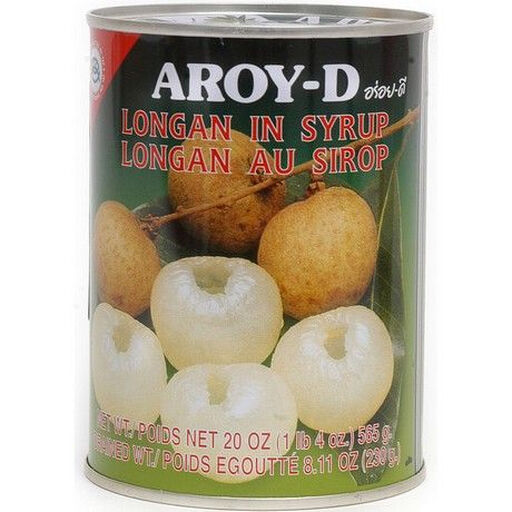 Image unavailable
Longans offer a distinctive fruit option for a barbecue dessert.
The tin is listed as 565 g. Check its net drained weight on the packaging to work out how much fruit you’ll have to serve. If you’re avoiding added sugars, check the ingredients too.
 Image unavailable
Rambutans offer another fruit variety to add to or use as a topping for a dessert to share.
The tin is listed as 565 g; check the net drained weight to plan how much to serve. If relevant to your guests, also check the allergen information on the packaging.
 Image unavailable
With separate tins, you can open portions as you need them.
The pack contains 12 tins of 245 g, combining yellow peach and nata de coco. Check the net drained weight per tin to plan how much to serve, and follow the storage instructions after opening.
 Image unavailable
Serve the mango slices on their own or add them to a fruit salad.
The tin is listed as 425 g; check the net drained weight to plan how much mango to serve. Once opened, follow the storage instructions on the packaging.
No. Sugars may occur naturally in the ingredients, as Carrefour explains for its St Mamet fruit cocktail with no added sugar. To compare two recipes, check the ingredients and the ‘of which sugars’ figure per 100 g.
Compare the net drained weight if you want to know how much fruit you’ll have to serve, excluding the liquid covering it. The DGCCRF says this weight must be shown for the relevant pre-packed foods.
Check the fruit variety, ingredients, nutritional information, net drained weight and storage instructions to choose a recipe and size that suit your dessert. If relevant to your guests, also check the allergen information.
Follow the manufacturer’s instructions on the container, temperature and storage time after opening. The date on an unopened product doesn’t replace this guidance.