
Livraison le jour même ou le lendemain

Qualité garantie

Débloquez vos offres de bienvenue: Livraison GRATUITE | Jusqu'à -80 % | 30 jours d'essai gratuits à JoyPlus
Téléchargez l'application
A fruit iced tea can make a refreshing break, accompany a meal or simply help you drink more throughout the day. However, packaging sometimes highlights mango, passion fruit or lychee without clearly stating the proportion of tea, juice or sugar.
Before you reach the checkout, there are three pitfalls to avoid:
The order of the ingredients already provides a useful indication: they are generally listed from the highest proportion to the lowest. A fruit-flavoured green tea may therefore contain a large majority of tea, such as Twinings Raspberry & Passion Fruit Green Tea, made with 85% green tea and 15% flavourings.
By contrast, a ready-to-drink beverage may combine water, juice concentrates, tea extract, acidity regulators, flavourings and sweeteners. This is not necessarily a drawback, but the result will not have the same profile as a cold infusion or loose-leaf tea. If you are looking for a more pronounced fruit flavour, prioritise products that mention juice, purée or concentrate, then check the stated proportion.
To compare two drinks, start by looking at the values per 100 ml, then calculate them based on the amount you are actually going to drink. POPS Ice Tea Mango-Passion, for example, contains 4.5 g of sugars and 19 kcal per 100 ml: a 330 ml can therefore provides considerably more than the value shown on its own on the label.
The phrase ‘sugar-free’ does not necessarily mean ‘without a sweet taste’. Some manufacturers use sweeteners such as acesulfame K or sucralose. Don Simon Mango Tea PET 1.5 L states 0 g of sugars and 0 kcal per 100 ml, while also indicating the presence of sweeteners in its ingredients. This is worth bearing in mind when choosing according to your preferences, rather than treating all drinks described as ‘sugar-free’ alike.
The best-before date, storage conditions, any potential allergens and the contact details of the responsible operator established in the European Union are also shown on the label. This practical information is often more useful than a marketing promise.
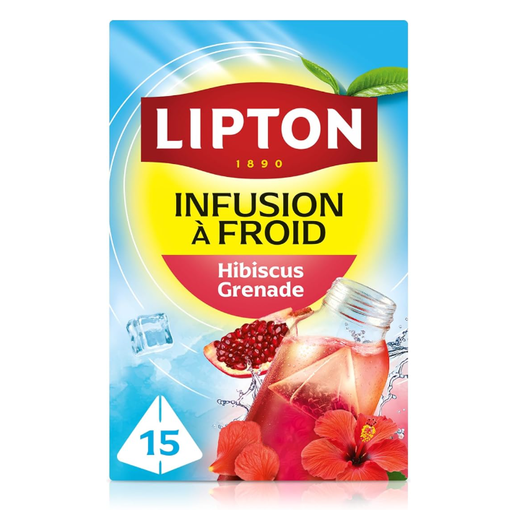
Why this choice suits this profile : This cold infusion is prepared directly in a 500 ml bottle, with no kettle or complicated measuring required.
The product information states that it is sugar-free, calorie-free and caffeine-free, making it easier to compare with sweetened iced teas.
15 tea bags, cold-water preparation and a blend of hibiscus, pomegranate and rosehip.
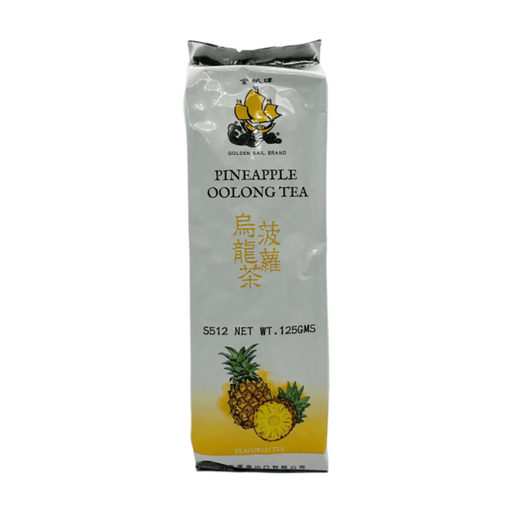
Why this choice suits this profile : Loose-leaf tea enthusiasts can adjust the quantity and brew it several times, while enjoying a fruity pineapple note.
The ingredients list states 98 % oolong and recommends preparation at 80–90 °C, so the fruity flavour does not mask the tea base.
125 g of leaves, 1 kcal per 200 ml of infusion according to the product information, plus the option to serve the tea cold after chilling.
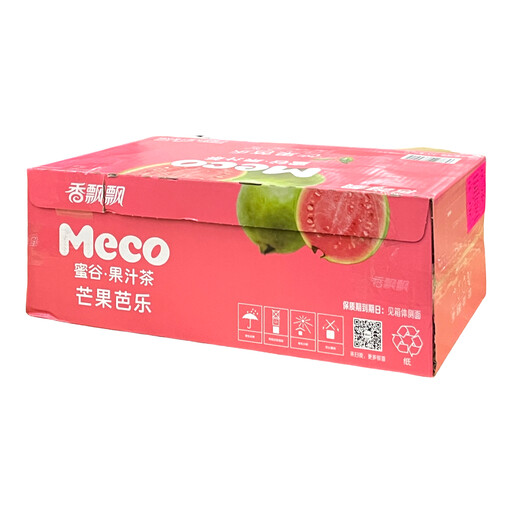
Why this choice suits this profile : The 400 ml format is suitable for meals, breaks and travelling, with 15 bottles in the pack.
The product information states 43 kcal per 100 ml and details the presence of mango, guava and peach juices, as well as oolong and sweeteners.
A ready-to-drink 400 ml bottle with a flavour profile combining mango, guava and oolong tea.
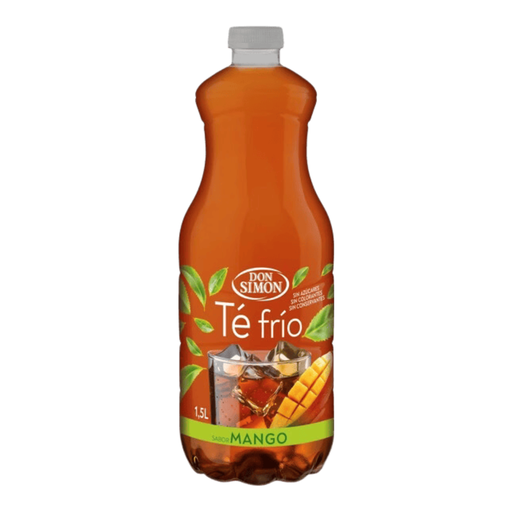
Why this choice suits this profile : Its large format fits easily in the fridge, at the office or on the table, with no preparation needed.
The label states 0 g of sugars and 0 kcal per 100 ml, while also indicating the presence of sweeteners, which is worth taking into account.
1.5 L of mango-flavoured drink, to be kept in the fridge after opening and consumed within 3 to 4 days.
We have put together a complete, real-time updated list of products that meet these demanding selection criteria and European safety regulations.
To make homemade iced tea, allow it to cool sufficiently before adding ice cubes. This will prevent it from becoming too diluted. With a cold infusion, use the amount of water stated on the packet and leave the tea bag to infuse for the recommended time. A clean, tightly sealed reusable bottle helps reduce the risk of contamination during transport.
Ready-to-drink bottles should be stored according to the instructions on the packaging. After opening, place them in the fridge and follow the recommended time limit. For recipes containing juice or concentrates, gently shake the bottle before serving.
Start by checking the ‘of which sugars’ line in the nutrition table and the ingredients list. Don Simon Mango Tea states 0 g of sugars per 100 ml, while some recipes described as light still contain sugar or sweeteners. Lipton cold infusions advertised as sugar-free are also a simple option to prepare in water.
It depends on the base used. Green, black and oolong teas may contain caffeine. Recipes based on rooibos or plants are often presented as caffeine-free: this is notably the case with Lipton Cold Infusion Rooibos Mango, according to the information provided. Always check the ingredients and product claims for the product you choose.
Always follow the instructions on the label first. If no more specific guidance is provided, put the bottle in the fridge promptly and consume it within the period recommended by the manufacturer. Don Simon Mango Tea states that it should be refrigerated and consumed within 3 to 4 days of opening. Individual 400 ml formats, meanwhile, are generally intended to be consumed immediately after opening.