
Livraison le jour même ou le lendemain

Qualité garantie

Débloquez vos offres de bienvenue: Livraison GRATUITE | Jusqu'à -80 % | 30 jours d'essai gratuits à JoyPlus
Téléchargez l'application
Choosing a fruit drink may seem straightforward: pick a flavour you like, a convenient size and the promise of refreshment. However, the differences in ingredients and nutritional value between fruit sodas, juices, Korean ades and soft drinks can be considerable.
To avoid unpleasant surprises, it is best not to judge a drink solely by its packaging. A few specific details can help you narrow down your options. Here are the main pitfalls to avoid, the criteria to compare and a selection suited to different uses.
The presence of fruit on the label does not guarantee that the drink contains a significant amount of juice or purée. Some recipes rely mainly on fruit juice concentrate, an extract, flavourings or a blend of several ingredients.
An apple drink can therefore offer a strong fruity taste while consisting mainly of water and sugar. To compare products, start by reading the ingredients list: they are always shown in descending order by quantity.
The expression ‘fruit drink’ primarily describes the intended flavour. It provides no precise indication of the proportion of fruit, the amount of sugar or the presence of sweeteners.
Depending on the recipe, a classic refreshing drink may contain around 8 to 15 g of sugars per 100 ml. Others use stevia, sucralose or acesulfame-K to reduce the energy content. However, their taste profile is not the same as that of a juice or traditional soft drink.
Acidifiers, stabilisers, colourings and flavourings are permitted when used in accordance with European regulations. Nevertheless, they are worth identifying, particularly when choosing a drink for the whole family.
For example, some Cantabile products indicate the presence of E102 yellow colouring, while Kinza Pomegranate mentions E122 colouring, together with a warning concerning children’s activity and attention. If you are looking for a drink suitable for family use, take the time to read the label.
To compare drinks accurately, use the same basis — generally per 100 ml — rather than relying solely on the values shown per bottle or can. Check the following first:
As a guide, VITAGO Banana & Apple contains 35 kcal and 8.7 g of sugars per 100 ml, while Cantabile Blueberry Ade lists 5.46 kcal and 0.92 g of sugars per 100 ml. Vitamin Well Zero Raspberry, meanwhile, contains 1 kcal and 0 g of sugars per 100 ml, according to the supplied nutritional information.
A low-calorie drink or sugar-free drink may be suitable for regular consumption, but its taste will depend on the sweeteners used. The ingredients therefore tell you more than the marketing message.
A small 200 to 250 ml format is suitable for a quick break, lunch or sampling several flavours. 350 ml cans are better suited to sharing with friends, while a pack of 500 ml bottles is more practical as a supply for the office, a journey or an extended activity.
Also consider storage. Several products must be refrigerated after opening and consumed quickly. A large bottle is therefore not necessarily more economical if it remains open for several days.
Fruit drinks can offer very different experiences:
The right choice therefore depends mainly on the occasion and your personal taste, rather than on ranking one recipe above another.
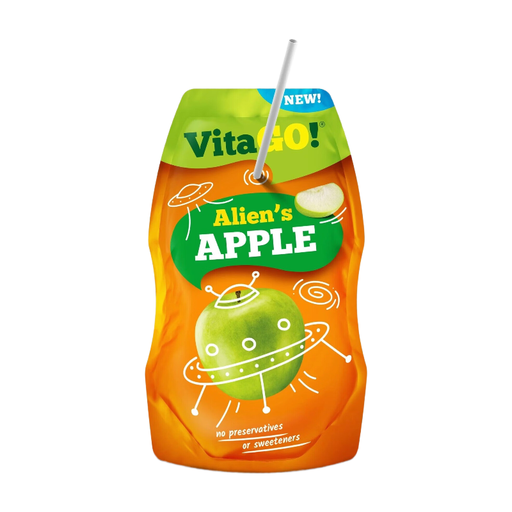
Why this choice suits this profile : At 200 ml, this format lets you try an apple drink without buying a large quantity. The product information lists 36 kcal and 9.1 g of sugars per 100 ml.
The individual size helps reduce waste and makes it easier to compare the drink before moving on to a multipack purchase.
A compact format, a recipe made with apple juice concentrate and no declared allergens according to the supplied product information.
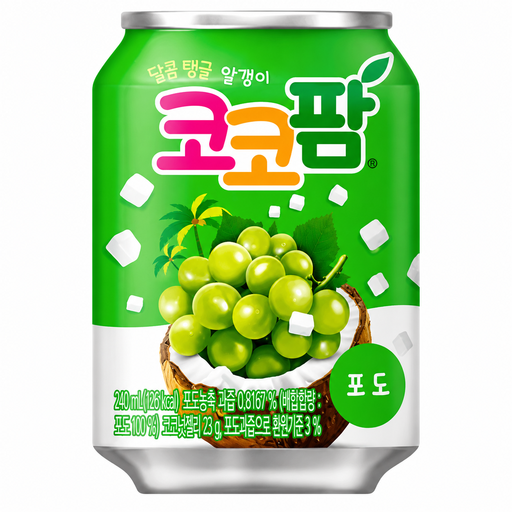
Why this choice suits this profile : This drink combines grape with coconut jelly for a tasting experience that is very different from that of a simple fruit soda.
The description specifies that it contains coconut jelly and recommends serving the drink chilled. This helps you look beyond the packaging alone.
Coconut jelly pieces, grape flavour and a 238 ml format. The nutritional information lists 53 kcal per 100 ml.
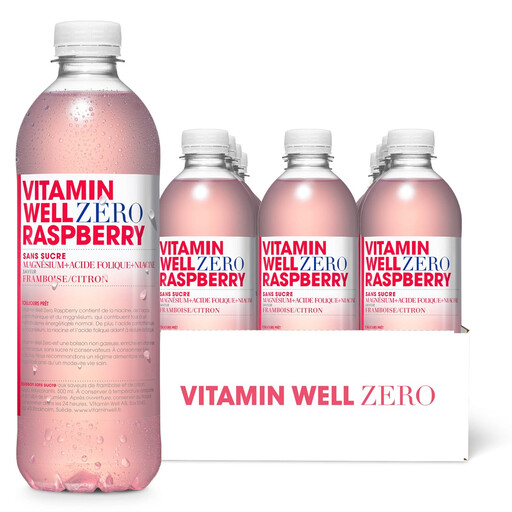
Why this choice suits this profile : With 12 bottles of 500 ml, this pack provides a practical supply for the office, studying or travelling. Its flavour combines raspberry and lemon.
The product information states 0 g of sugars and 1 kcal per 100 ml. These figures make it easy to compare with more sugary soft drinks and juices.
A still drink, sugar-free according to the product information, supplied in 50 cl bottles and to be kept refrigerated after opening.
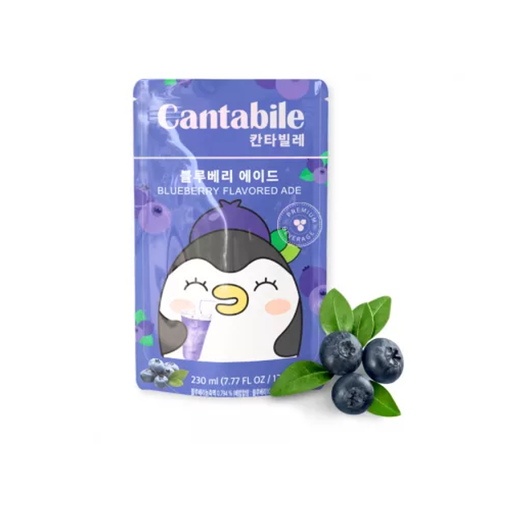
Why this choice suits this profile : This Korean ade combines blueberry and red grape in a small format, with a recipe advertised as low in calories.
The detailed nutritional values let you check the low-calorie claim rather than judging the drink by its colour or flavour.
The product information lists 5.46 kcal and 0.92 g of sugars per 100 ml, with sweeteners, in a 230 ml format.
We have put together a complete, real-time updated list of products that fully meet these strict selection criteria and European safety regulations.
For a quick break, choose a 200 to 250 ml format. With a Korean meal or during an evening with friends, a fizzy drink such as V-Talk Pink Peachade 350 ml will provide a livelier sensation. If you enjoy tropical flavours, try Cantabile Pineapple Ade 230 ml, while Kinza Pomegranate 250 ml offers a more tangy pomegranate note.
Always compare the volume, sugar content and storage conditions. This check only takes a few seconds and helps you choose a drink that suits both your budget and your consumption habits.
No. It may contain concentrated juice, purée, an extract or simply fruit flavourings. The ingredients list and the exact product description will help you tell the difference.
Start by comparing the ‘of which sugars’ line per 100 ml. According to their respective product information, Cantabile Blueberry Ade and Vitamin Well Zero Raspberry contain less sugar than many classic fruit drinks. Also check whether sweeteners are present if you prefer to avoid these ingredients.
It depends on the product. Many drinks must be refrigerated after opening and consumed quickly, sometimes within 24 hours. Always check the label and the manufacturer’s recommendations.