
Livraison le jour même ou le lendemain

Qualité garantie

Débloquez vos offres de bienvenue: Livraison GRATUITE | Jusqu'à -80 % | 30 jours d'essai gratuits à JoyPlus
Téléchargez l'application
Buying fruit drinks seems simple… until you start comparing labels, formats and prices per litre. Between fruit juices, nectars, fruit drinks and fizzy recipes, the differences in composition can be considerable. A family-sized bottle doesn't meet the same needs as an individual pack for a lunchbox or a bulk lot for an event.
The name gives you a first clue, but it's not always enough. A juice can be made from pressed fruit or from concentrate. A nectar usually contains fruit purée or juice, in a proportion that varies depending on the recipe. A fruit drink, on the other hand, may contain more water, sugar, flavourings or other ingredients.
A mango nectar like the Mango Nectar 2 L, for example, contains mango pulp, while a tropical blend might combine several fruit juices in very different proportions. To compare products properly, look at the ingredients list and the percentage of fruit rather than just the picture on the packaging.
"No added sugar", "natural" or "multivitamin" doesn't necessarily mean the drink matches your dietary habits. A juice can contain sugars naturally present in the fruit. To compare products on an objective basis, check the values per 100 ml, then take into account the amount you actually pour.
Between a 330 ml can, a 200 ml pouch and a 150 ml glass, the total sugar intake can vary significantly. Vitamin-enriched drinks are still food products: they don't replace a varied and balanced diet.
A 1 or 2 litre bottle is fine for meals with several people, but it takes up space in the fridge once opened and must be consumed within the stated time. Conversely, multipack drinks are handy for snacks, the office or events, even if their price per litre may be less favourable.
Before ordering, check the total volume, the number of units, the type of packaging and the storage conditions. That way you'll avoid buying too much or ending up with a format that doesn't suit your consumption.
Start by identifying the product category: fruit juice, nectar, juice-based drink or soft drink. To get the flavour you're after, also look at where the fruit appears in the ingredients list. A tropical juice might combine apple, pineapple, orange, mango, passion fruit and guava, in proportions that change from one recipe to another.
For an orange drink, check whether it's purely orange juice or a recipe that includes sparkling water, other citrus fruits, pulp and flavourings. Orangina PET 1.5 L, for instance, combines carbonated water, concentrated orange juice and other citrus juices, with the presence of pulp stated on the product page.
The nutrition table lets you compare products on the same basis. As a guide, Dimes orange juice shows 9.0 g of sugars per 100 ml, while Maaza mango nectar shows 10.8 g of carbohydrates and sugars per 100 ml. These figures come from the product pages and may change: the packaging you receive remains the reference.
Also check for added sugar, acidity regulators, antioxidants, preservatives, flavourings or colourings. A short ingredients list isn't automatically right for everyone, but it does make the product easier to understand.
Also think about storage: some drinks keep at room temperature before opening, while an opened bottle usually needs to be refrigerated and consumed quickly.
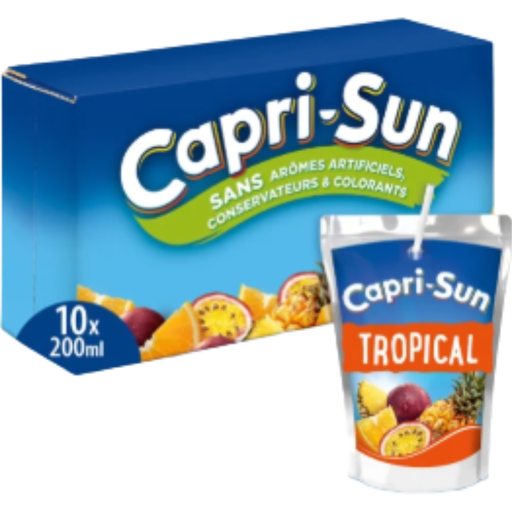
Why this choice suits this profile: The ten 200 ml pouches are easy to slip into a bag for a snack or a day out, without having to open a large bottle each time.
The number of units and the volume of each pouch are clearly stated, making it easy to assess your needs before buying.
A blend of citrus and tropical fruit juices, with no colourings or preservatives listed on the product page.
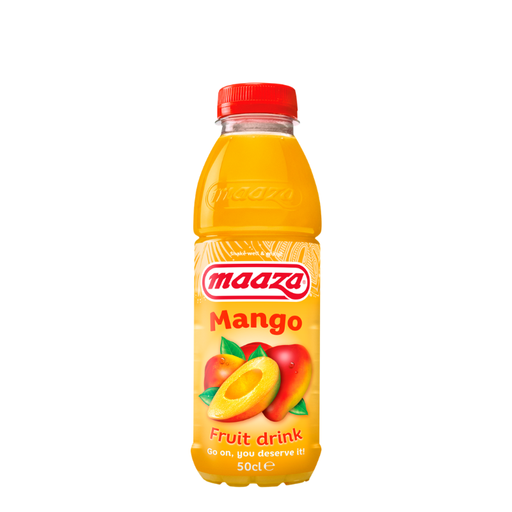
Why this choice suits this profile: With its 500 ml and a recipe made from 17% mango purée, this drink is aimed at those who love rich tropical flavours and a thicker texture.
The percentage of purée, the volume and the nutritional values are all specified, rather than relying solely on the fruit image.
A pasteurised drink, gluten-free according to the product page, with a texture that comes from the mango purée.
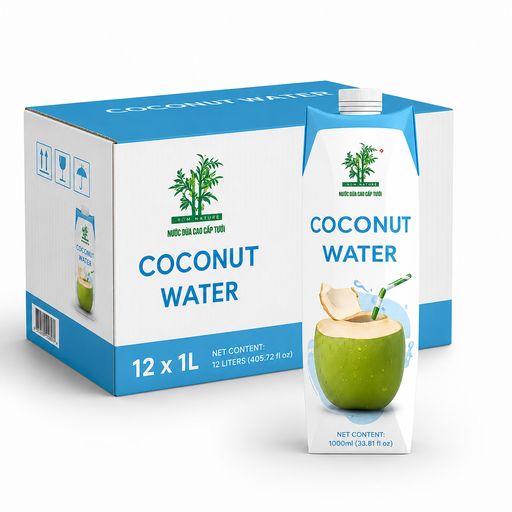
Why this choice suits this profile: The bulk lot of twelve 1-litre bottles meets the needs of large families, professionals and event organisers.
The total packaging of 12 litres is clearly stated, helping you check the storage space available and the volume you need.
A composition stated as 98.5% coconut water, packaged in 1-litre bottles.
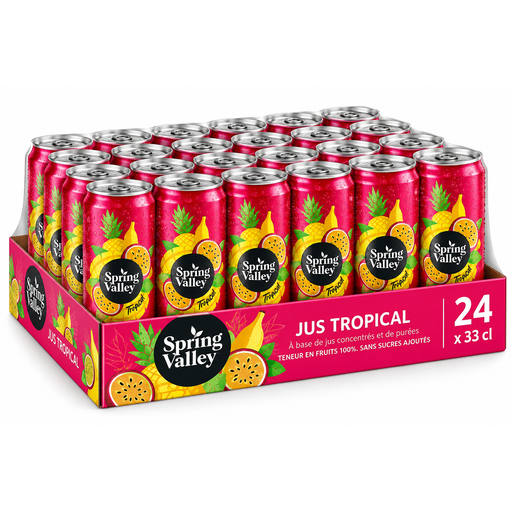
Why this choice suits this profile: The 24 cans of 330 ml make individual serving easy at a reception, in a shop or in catering.
The can format limits leftovers after serving and clearly states a total volume of 7.92 litres.
A blend of apple, pineapple, orange, banana, mango, mandarin, passion fruit and guava.
We've put together a comprehensive list, updated in real time, of products that meet these strict selection criteria and European safety regulations.
A juice is mainly made up of fruit juice, possibly from concentrate. A nectar may contain purée or juice, as well as water and sugar depending on the recipe. The exact proportion should be checked on the label.
It depends on the product. Several products recommend refrigerating the drink after opening and consuming it within three days, while some individual pouches should be drunk within 24 hours. Always check the instructions on the packaging.
They can reduce the price per unit and make organisation easier, but compare the price per litre, the actual volume you'll consume and the storage space needed. A pack of 24 cans is best suited to regular, professional or group consumption.