
Livraison le jour même ou le lendemain

Qualité garantie

Débloquez vos offres de bienvenue: Livraison GRATUITE | Jusqu'à -80 % | 30 jours d'essai gratuits à JoyPlus
Téléchargez l'application
A colourful bottle and the words "exotic fruits" don't guarantee a product that lives up to your expectations. Between multi-fruit juice, fruit nectar, tropical drink and flavoured blend, the differences can be significant when it comes to fruit content, sugar levels and format.
Before you fill your basket for breakfast, mealtimes or a day out, there are three pitfalls that are particularly easy to avoid.
A fruit juice with no added sugar still contains the sugars naturally present in the fruit. The nutritional table is therefore essential. Some nectars or drinks carrying this label also contain a sweetener, such as sucralose, to keep a sweet taste while reducing the energy content.
A mango and passion fruit drink may only contain a limited amount of these fruits. The Don Simon Mango Passion Fruit Drink, for example, states 4.5% mango purée and 1.5% passion fruit juice. The ingredients list shows you whether the recipe really makes good use of the fruits advertised, or whether water, sugar or apple make up the bulk of the composition.
A 1L juice or a 1.5L bottle is handy for sharing, but the product usually needs to be refrigerated after opening and consumed within a few days. For someone living alone or for on-the-go consumption, several smaller formats can actually reduce waste.
The order of ingredients is a good clue: they are usually listed from most to least present. This information is far more reliable than a picture of fruit or a marketing promise.
Start by comparing the data per 100ml, then scale it up to the amount you actually drink. A 350ml FOCO bottle shows 9.8g of sugars per 100ml, which works out at 34.3g for the whole bottle according to the information provided. The Don Simon Mango & Apple Nectar No Added Sugar, on the other hand, shows 4.9g of sugars per 100ml, while containing a sweetener in its ingredients list.
So "no added sugar" does not mean "no sweetener" or "no naturally occurring sugars". To compare two products on an objective basis, look at both the carbohydrates, the sugars, the ingredients list and the volume you'll be drinking.
Packaging also matters: plastic bottle, can and resealable carton all serve different needs. In every case, the storage instructions on the label should be your priority.
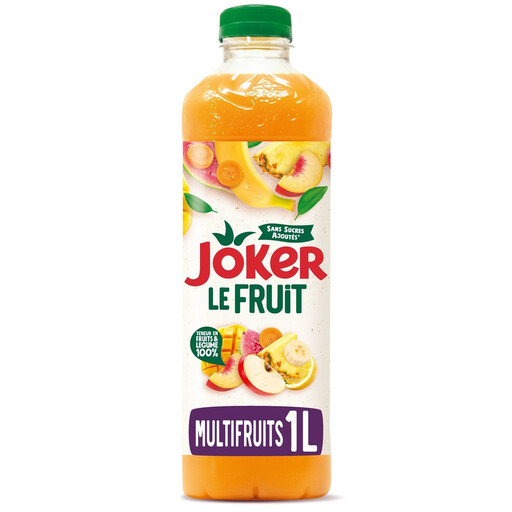
Why this choice suits this profile: A standard format for discovering a multi-fruit juice at breakfast or during a meal, without accumulating lots of small bottles.
The product page states 100% fruit and vegetables, with no added sugar, colourings or preservatives. The composition details the fruits used.
1L bottle, 47kcal and 11g of sugars per 100ml according to the information provided.
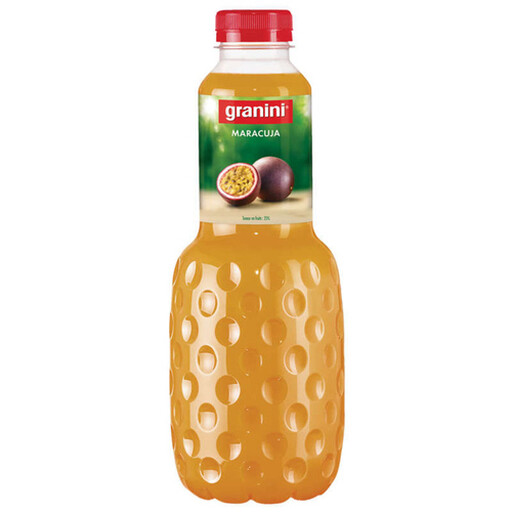
Why this choice suits this profile: A recipe focused on passion fruit, in a bottle designed for serving at the table.
The composition details the passion fruit juice from concentrate, pectin, citric acid and vanilla extract, rather than just relying on a simple flavour promise.
1L format, 52kcal and 12g of sugars per 100ml according to the product page.
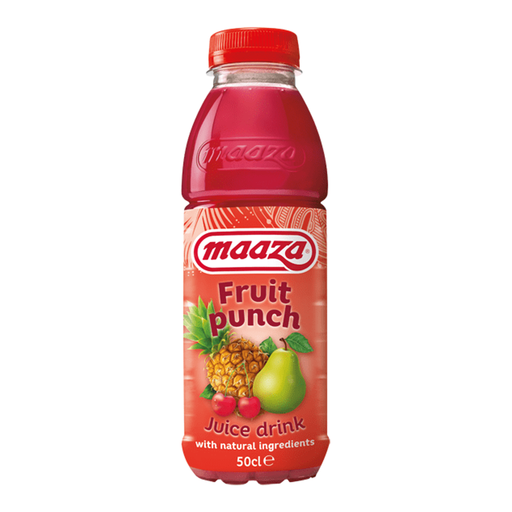
Why this choice suits this profile: The pack of 12 500ml bottles is ideal for families, offices, picnics and events.
The resealable individual bottles prevent you from leaving a large bottle open after each serving.
A blend of pear, apple, pineapple and cherry, with 11.9g of sugars per 100ml according to the product page.
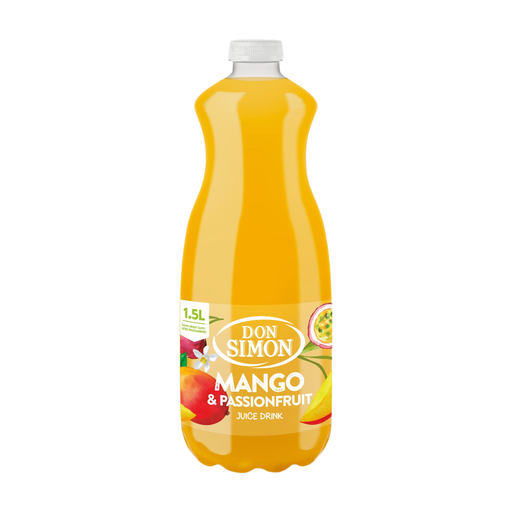
Why this choice suits this profile: A large format to accompany meals and serve a mango-passion drink to fans of fruity, tangy flavours.
The percentages of mango and passion fruit are stated, as is the presence of sugar, sweetener and stabilisers.
1.5L bottle and only 13kcal per 100ml according to the information provided.
We've put together a comprehensive, real-time updated selection of products that meet these strict selection criteria and the requirements of European safety regulations.
A 1L format is generally suitable for family consumption or for several breakfasts. Compare the composition and the amount of sugar per 100ml, then consider storage after opening. A multi-fruit juice with no added sugar can work if you want to avoid added sugar, while a tropical nectar is often enjoyed for its texture and flavour.
No. This label simply means that no sugar has been added to the recipe. Fruits naturally contain sugars, which appear in the nutritional table. Some recipes also contain a sweetener, so remember to check the ingredients list.
Bottles of 320ml to 500ml are easy to slip into a bag for lunch, work or a picnic. Individual formats save you from carrying a large bottle and allow you to drink it all in one go. For regular consumption at home, a pack or a 1L bottle will generally be more practical.