
Livraison le jour même ou le lendemain

Qualité garantie

Débloquez vos offres de bienvenue: Livraison GRATUITE | Jusqu'à -80 % | 30 jours d'essai gratuits à JoyPlus
Téléchargez l'application
The fruit drink aisle can feel like a jungle: between juices, nectars, sodas, and other "refreshing" beverages, it's easy to get lost. Colourful packaging and tempting promises often hide a much less appealing reality. Before you fill your shopping cart, it's crucial to understand the most common traps to make an informed choice, whether it's for a kids' snack, a healthy break, or a cocktail ingredient.
The two classic mistakes when buying a fruit drink:
To see clearly through the overwhelming selection, focus on two or three key pieces of information on the label. They tell you far more than any marketing pitch.
In Europe and beyond, these terms have very specific meanings. Their definitions, strictly regulated by law, tell you exactly what's in your glass.
A short ingredient list is often a good sign. For a no-added-sugar drink, make sure sugar isn't hiding under other names, like "fructose syrup" or "concentrated grape juice" used for its sweetening power.
The "carbohydrates, of which sugars" line in the nutritional information is your best ally. It shows the total amount of sugar per 100 ml, whether it's added or naturally present in the fruit. It's the only way to objectively compare a pure grape juice (naturally very sweet) and a strawberry nectar (with added sugars).
The format is also a decisive factor. An individual can is perfect for on-the-go consumption, a one-litre glass bottle will be perfect for the family breakfast table, while a professional-sized cocktail fruit purée will become the secret ingredient for your parties. Think about your intended use to choose the most practical and smartest format.
To guide you, we've selected products that tick all the boxes for different profiles and needs.
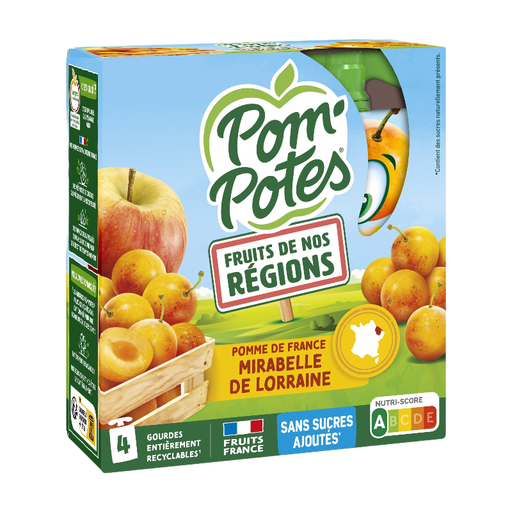
Why we love it: Perfect for kids' snacks, the pouch format is ultra-practical to carry and enjoy without a spoon. The recipe is simple and showcases high-quality fruit.
The promise is kept: this is a true "no added sugar" compote, containing only the sugars from the fruit (99.85%). No unpleasant surprises on the label.
An ultra-simple ingredient list and French-origin apples, with the bonus of Mirabelle plums from Lorraine (PGI).
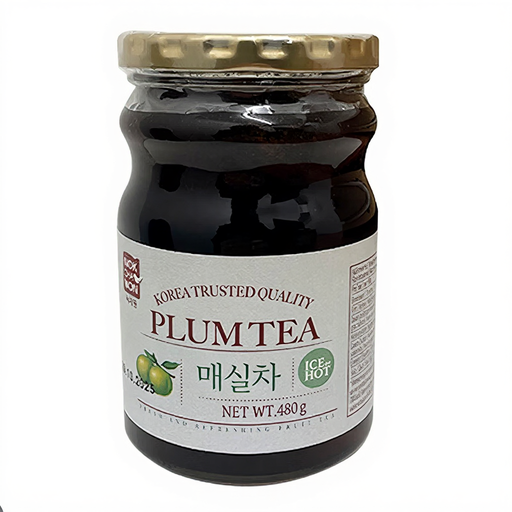
Why we love it: For those looking to try something different, this Korean plum preparation is a true discovery. It can be enjoyed hot or cold for a one-of-a-kind sweet and sour flavour.
The product is transparent: it's not a juice, but a "tea preparation." Its status as a concentrate to be diluted is clear, as is the presence of fructose and sugar in the ingredients.
Its great versatility (hot drink, cold drink, cooking base) and an authentic Korean plum taste that transports your senses.
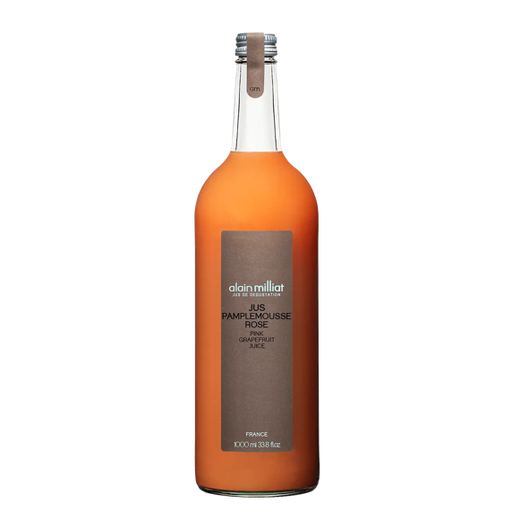
Why we love it: For those who demand absolute naturalness with no compromises. This juice is the fruit, the whole fruit, and nothing but the fruit. The purest and simplest expression there is.
Absolute transparency. The ingredient list is as short as it gets: "100% pink grapefruit juice." You can't go wrong.
An authentic taste, remarkable freshness, and the certainty of drinking a pure product without a single additive, sugar, or added water.
Discover our full selection of products that meet our strict criteria and regulatory standards.
It's all about fruit content and added ingredients. A pure fruit juice is 100% fruit, with no added sugar or water. A fruit nectar, on the other hand, contains between 25% and 50% fruit juice or purée, supplemented with water and, most often, sugar or sweeteners.
Once opened, a bottle of juice or nectar must be kept in the refrigerator. It is advisable to finish it within 3 to 5 days to preserve its taste and prevent bacterial growth. Always refer to the instructions on the packaging.
No, and this is a classic trap! This claim simply means the manufacturer has not added sugars (like sucrose or glucose syrup) to the recipe. However, fruits are naturally sweet (thanks to fructose). A pure grape juice, for example, even with no added sugar, can contain up to 16g of sugar per 100ml—as much as, or even more than, a soda. The essential habit: always check the "of which sugars" line in the nutritional information.