
Livraison le jour même ou le lendemain

Qualité garantie

Débloquez vos offres de bienvenue: Livraison GRATUITE | Jusqu'à -80 % | 30 jours d'essai gratuits à JoyPlus
Téléchargez l'application
The fruit drink aisle can be overwhelming. Between the colourful labels, promises of exotic flavours, and health claims, it's hard to know where to start. The result: you often leave with a product that fails to deliver on taste, ingredients, or price. This guide is here to arm you with the knowledge to decode labels and help you make the right choice, with full confidence.
Before you fill your cart, keep these frequent mix-ups in mind to avoid a disappointing purchase.
To ensure you never make a mistake again, focus on these three objective parameters before you check out.
Fortunately, strict European regulations help clarify things:
Always glance at the ingredient list. The rule of thumb: the shorter, the better. The first ingredient is the one present in the largest quantity. If "sugar" (or glucose-fructose syrup) appears before the fruit, that's a major red flag.
The second checkpoint is the nutritional information table:
Often underestimated, the packaging format is a key factor for convenience.
Here are a few options that meet different needs and consumer profiles, based on the criteria we've just discussed.

Why we recommend it: This large-format nectar is a smart option for families. Its multi-fruit flavour is a crowd-pleaser, while the absence of added sugar is a major selling point for parents.
It's transparent about what it is. Clearly labelled "nectar with no added sugar," it uses a sweetener (sucralose) to deliver a sweet taste without the calories.
A light and fruity treat (only 20 kcal/100 ml) in an economical 1.5L family size, perfect for everyday consumption.
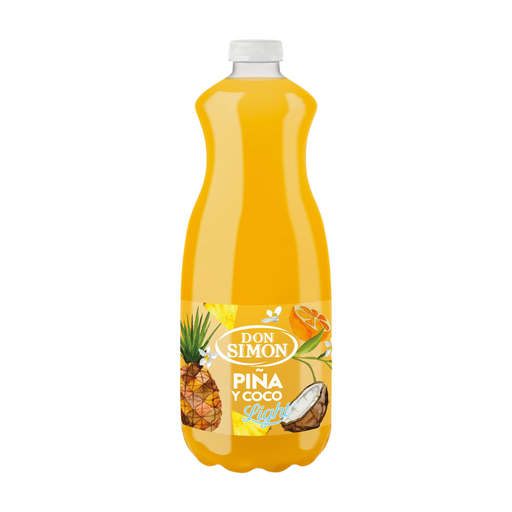
Why we recommend it: For a taste of the exotic, the combination of pineapple and coconut water is a timeless classic that always works. It's the perfect tropical drink to cool down with an exotic twist.
This product is upfront about what it is: it's sold as a "drink," not a juice. The focus is on enjoyment and refreshment, with a very reasonable sugar content (4.3g/100 ml).
Ultra-refreshing and light (18 kcal/100 ml), it blends the sweetness of pineapple with the crispness of coconut water. An instant getaway.
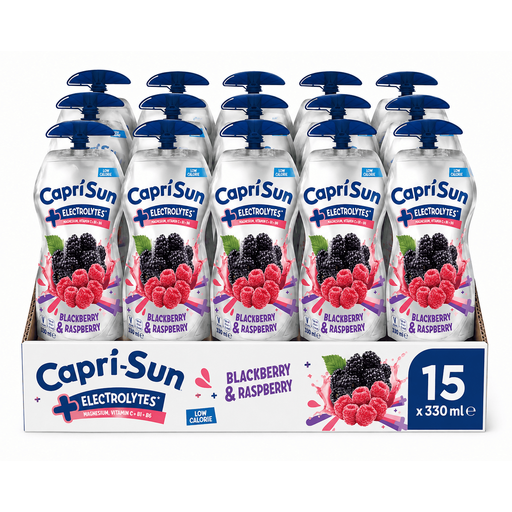
Why we recommend it: The resealable pouch format is an active person's best friend. Easy to slip into a gym bag or backpack, it's the ultimate on-the-go hydration solution.
It doesn't pretend to be a simple juice. It's a functional beverage, and it owns it. The addition of electrolytes (magnesium) and vitamins clearly targets a need related to physical activity, without falling into the "fake health product" trap.
An ultra-convenient fruit drink pack format and a formula designed for rehydration, all with a controlled sugar content (4.9g/100 ml).
Browse our complete selection of fruit drinks, all approved according to our criteria.
It all comes down to fruit content. By law, a fruit nectar must contain a minimum of 25% to 50% fruit. A fruit drink, on the other hand, has a much lower fruit percentage (often less than 25%) and is mostly composed of water and sugar or sweeteners.
Once opened, a fruit drink in a PET bottle or carton should be kept in the refrigerator. It's best to consume it within 3 to 5 days to preserve its freshness and taste. When in doubt, always refer to the instructions on the packaging.
No, and this is a common trap. The "no added sugar" claim simply means the manufacturer hasn't added any extra sugar (like sucrose or glucose syrup...). However, the drink still contains the natural sugars from the fruit. For anyone monitoring their sugar intake, it's crucial to check the "of which sugars" line on the label.