
Livraison le jour même ou le lendemain

Qualité garantie

Débloquez vos offres de bienvenue: Livraison GRATUITE | Jusqu'à -80 % | 30 jours d'essai gratuits à JoyPlus
Téléchargez l'application
A pineapple drink, peach iced tea or fizzy lemonade may seem easy to choose at first glance. However, the ingredients, format and storage requirements can significantly affect your buying experience. For a household, family, restaurant or event organiser, unsuitable packaging can quickly lead to waste or an oversized order.
The description “with fruit” does not necessarily mean that the drink contains a high proportion of juice. To get a clearer picture, check the ingredients list and the amount of juice or purée used. A fruit drink may consist mainly of water, sugar, concentrates, flavourings and acidity regulators.
When comparing a fruit drink, tropical fruit juice or fruit-flavoured soft drink, pay particular attention to:
A multipack can be particularly convenient for a party, business or household that regularly drinks this type of beverage. However, it takes up space and needs to be consumed under suitable conditions. For example, a case of 24 33 cl cans contains 7.92 litres. That is a suitable volume for regular use, but much less practical if you simply want to try a new flavour.
Always compare the price per litre, number of units and estimated consumption period. Small bottles and individual formats help limit leftovers, while larger containers are better suited to serving at the table.
A watermelon drink may be sweet, sharp, fizzy, or enriched with green tea and caffeine. Similarly, a pineapple drink may be a juice, soft drink or concentrated beverage. The advertised flavour alone is therefore not enough to predict the texture, sweetness or intensity on the palate.
The descriptions “sparkling”, “iced tea” and “energy drink” refer to very different uses and compositions. For imported drinks, also take the time to check that French labelling is present, along with the contact details of the responsible operator in the European Union.
Nutritional values should be compared per 100 ml, rather than only for an entire bottle or can. As an indication, COQ Guava Drink contains 46 kcal and 11 g of sugars per 100 ml, while Arizona Peach Iced Tea lists approximately 21 kcal and 4.8 g of sugars per 100 ml.
These figures are not enough to determine which drink is best, but they do provide an objective basis for comparing products. For occasional enjoyment, flavour can naturally take priority. If you buy regularly, the ingredients and portion size become more important.
The right format depends above all on the situation:
Not all soft drinks should be stored in the same way after opening. Some must be refrigerated and consumed within two to four days; others should be finished on the same day. The instructions printed on the packaging remain the definitive reference.
An energy drink requires a little more attention than a simple fruit-flavoured soft drink. ARIZONA Energy Drink Watermelon contains caffeine, green tea and plant extracts, among other ingredients. It should therefore not be chosen in the same way as a classic thirst-quenching fruit drink. Check the caffeine content, age recommendations and precautions stated on the label.
For those looking to reduce their sugar intake, some products use sweeteners. Calypso Sparkling Lemonade Apple Oasis Zero Sugar, for example, contains 2 kcal and 0 g of sugars per 100 ml, with sucralose and acesulfame K in its ingredients. Consumers who are sensitive to certain colourings should also examine the ingredients list carefully, particularly when buying imported products.
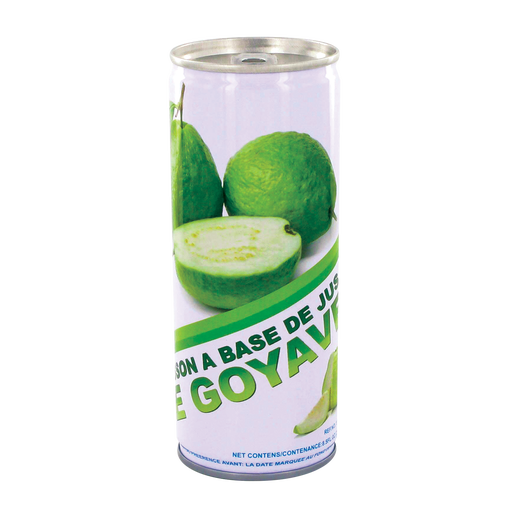
Why this choice suits this profile : At 250 ml, this guava drink lets you try a new flavour without committing to a large volume. It is ideal for an individual break and can be stored easily in a cupboard before opening.
The individual serving means you do not have to leave a large bottle open. After opening, the drink must be refrigerated and consumed within 48 hours.
An individual format, with 46 kcal and 11 g of sugars per 100 ml according to the product information.
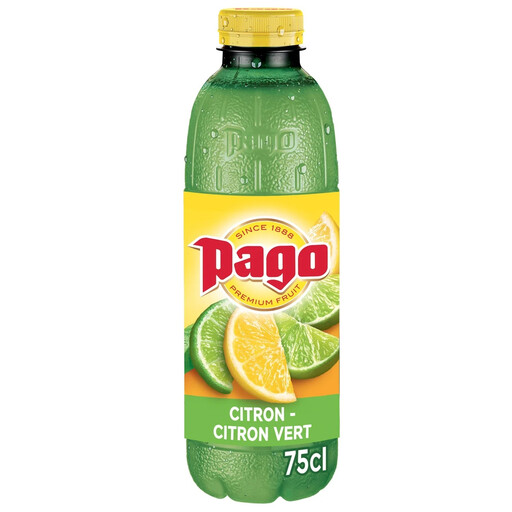
Why this choice suits this profile : Its 75 cl format is ideal for serving several people. Its distinctive lemon and lime profile works equally well with a meal or as a refreshing break.
The product information specifies the proportions of lemon and lime. This makes it easier to anticipate the sharp flavour instead of relying solely on the appearance of the bottle.
A recyclable bottle according to the product information, with 24 mg of vitamin C and 58 kcal per 100 ml.
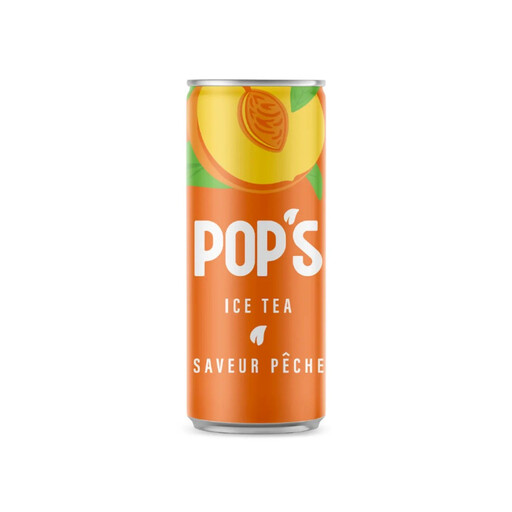
Why this choice suits this profile : With 24 cans of 33 cl, this multipack is ideal for offices, associations, restaurants, events and households that regularly serve peach iced tea.
The individual packaging means there is no need to store an opened bottle. The total volume of 7.92 l also makes it easy to assess how much you need.
26 kcal and 5.7 g of sugars per 100 ml, with peach juice made from concentrate according to the product information.
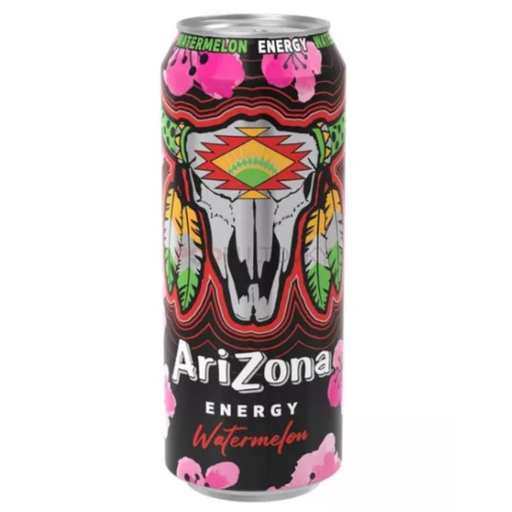
Why this choice suits this profile : Its 50 cl format and watermelon flavour are aimed at adults looking for a fruit-flavoured drink containing caffeine and green tea, to be consumed in accordance with the label instructions.
The presence of caffeine is clearly stated in the ingredients. This drink should therefore not be treated as simple flavoured water, particularly by children, pregnant women or people sensitive to caffeine.
A fizzy drink in a 50 cl format, with 45 kcal and 11 g of carbohydrates per 100 ml according to the information provided.
Juice has a precise regulatory definition and must comply with the composition applicable to its category. A fruit drink may contain varying proportions of juice, as well as water, sugar, flavourings or sweeteners. The ingredients list and fruit percentage make it possible to tell the difference.
Always follow the manufacturer’s recommendations first. Most still or fizzy drinks should be refrigerated after opening and consumed promptly. Some product information recommends drinking them within two days, while others allow up to four days. An individual can should generally be finished on the same day once opened.
They can reduce the price per unit when consumption is regular. However, the calculation should also take into account the price per litre, storage space and the risk of not finishing the drinks before their best-before date. For an event, a pack of 24 cans is very practical. For a first purchase, a smaller format lets you try the flavour before placing a larger order.