
Livraison le jour même ou le lendemain

Qualité garantie

Débloquez vos offres de bienvenue: Livraison GRATUITE | Jusqu'à -80 % | 30 jours d'essai gratuits à JoyPlus
Téléchargez l'application
The drink aisle can be overwhelming. Between colourful packaging and tempting marketing claims, making the right choice is tough. Our editorial mission: to help you see clearly. Together, let's break down the most common traps so you can choose a fruit drink that's truly right for you.
The traps to avoid aren't always the ones you'd expect:
To make the right choice, you just need to know where to look on the packaging. Here are the three essential points.
The name of the product itself is regulated. It's the first clue to its quality.
A quick look at the ingredients list and the nutrition facts is essential, especially if you're looking for a drink with no added sugar.
The container isn't just about looks: it affects preservation and practicality.
To put theory into practice, here is our selection. Each product meets a specific need, applying the criteria we've just discussed.

Why it's a great match: Perfect for everyday life, this large-format (1.5L) multifruit nectar has a crowd-pleasing taste that the whole family will enjoy. The absence of added sugars makes it a good alternative to sodas, whether with meals or as a snack.
This nectar is a perfect example of the "no added sugar" case. It uses a sweetener (sucralose) to maintain a sweet taste while boasting a very low calorie count (20 kcal/100 ml). The information is clear and transparent.
Key Feature: An economical format that's very low in calories. Perks: A blend of flavours (peach, orange, pineapple), practical PET bottle.
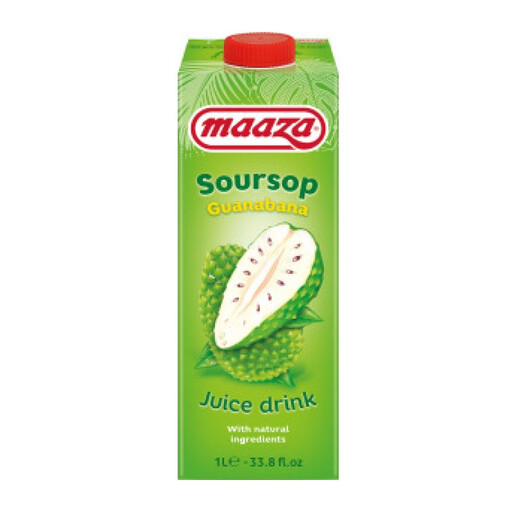
Why it's a great match: Want to step off the beaten path of orange-apple juice? This soursop nectar is an excellent gateway to the world of exotic fruit juices. Its unique taste, both sweet and tangy, is a true discovery.
Unlike products that hide behind an exotic image to sell apple juice, Maaza is transparent: the recipe contains 18% soursop purée, a completely honest percentage for a nectar of this type of fruit.
Key Feature: An authentic and original exotic flavour. Perks: Source of vitamin C, contains fibre, practical Tetra Pak carton.
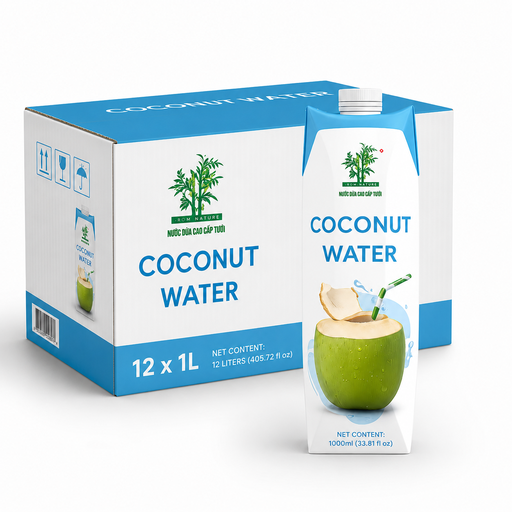
Why it's a great match: For those looking to hydrate with a simple, minimally processed product, coconut water is an excellent choice. It's appreciated for its lightness and subtle taste, a world away from a classic nectar or fruit juice.
The composition is crystal clear: 98.5% coconut water and a hint of cane sugar. No artificial flavours, no lengthy ingredient list. The product doesn't pretend to be anything other than what it is: a simple, thirst-quenching drink.
Key Feature: Natural hydration and an ultra-simple composition. Perks: Low in calories (23 kcal/100 ml), economical pack format, best served chilled.
We've compiled a complete selection of products that meet these quality criteria.
It's all a matter of fruit content. "Pure juice" is 100% from fruit. "Nectar" contains between 25% and 50% fruit, along with water and sugar (or sweeteners). A "fruit drink" typically has a lower fruit content and a much more flexible recipe.
Once the bottle or carton is open, put it in the fridge! It's recommended to finish it within 3 to 5 days to ensure freshness and prevent bacterial growth. When in doubt, always follow the instructions on the packaging.
Not at all! Fruits naturally contain sugar (fructose). A pure grape juice, even with no added sugar, can be as sugary and caloric as a soda. If your goal is to limit calories, your only reliable reflex is to look at the "Energy" (in kcal) line on the nutrition facts, rather than just the marketing claim.