
Livraison le jour même ou le lendemain

Qualité garantie

Débloquez vos offres de bienvenue: Livraison GRATUITE | Jusqu'à -80 % | 30 jours d'essai gratuits à JoyPlus
Téléchargez l'application
The fruit drink aisle is a real jungle. Between the enticing packaging and promises of exotic flavours, it's hard to know where to start. Our mission? To help you decode the labels and make the right choice—one that truly fits your tastes and your budget. Before you fill your trolley, let's review the most common pitfalls.
Faced with a huge range of options, a discerning eye is essential. Here are three classic mistakes that can quickly lead to disappointment for both your taste buds and your wallet.
To avoid falling into the trap again, simply focus on a few key pieces of information on the label. These clues will tell you exactly what you're putting in your trolley.
Regulations are very clear and require specific product names. Mastering them is the first step to sorting the good from the bad:
For those watching their waistline or sugar intake, there are two things to check on the nutritional information panel:
Packaging is a practical factor that shouldn't be underestimated. A multipack of cans or small cartons will be perfect for kids' lunchboxes or picnics. Larger, more economical 1.5L PET bottles are designed for family consumption at home. Also, consider the nature of the drink: a sparkling drink like a lemonade will provide a very different refreshing sensation from a still drink.
To guide you, here are a few products that cater to different profiles and needs, based on the criteria we've just discussed.
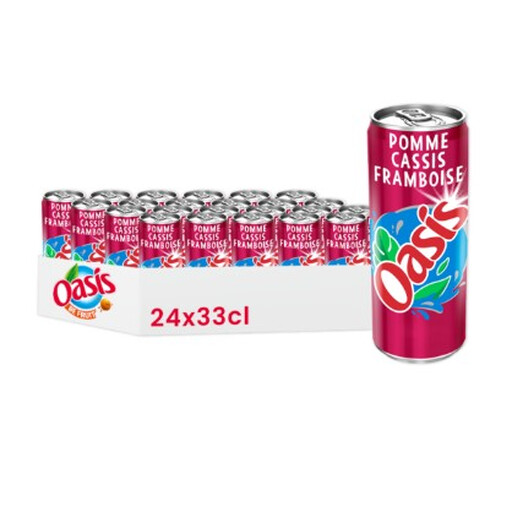
Why we chose it : This format is the perfect ally for family organisation. The 24-can pack allows you to manage snacks and outings stress-free, and always have a cold drink on hand. Its flavour is a classic crowd-pleaser.
The brand is upfront: the ingredients list shows a 12% fruit juice content from concentrate, which honestly classifies it as a "fruit drink" and not a "pure juice".
The multipack is economical and ultra-convenient for regular use. The use of natural flavourings is a welcome bonus.
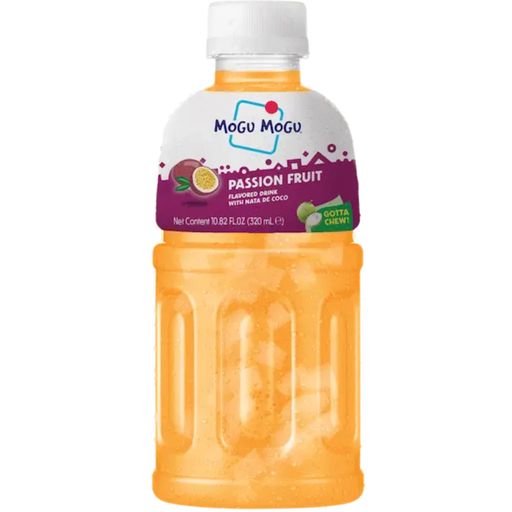
Why we chose it : For those looking to try something different. Mogu Mogu combines a tropical drink flavour with a surprising texture, thanks to its chewy pieces of nata de coco (coconut gel). A fun drink that's halfway to being a snack.
The product doesn't just rely on flavouring. The real presence of nata de coco pieces is the core of the experience, offering tangible added value that justifies its unique positioning and avoids the "all-artificial" trap.
The drink/chewy snack combination creates a truly unique sensory experience. The passion fruit flavour is intense and exotic.
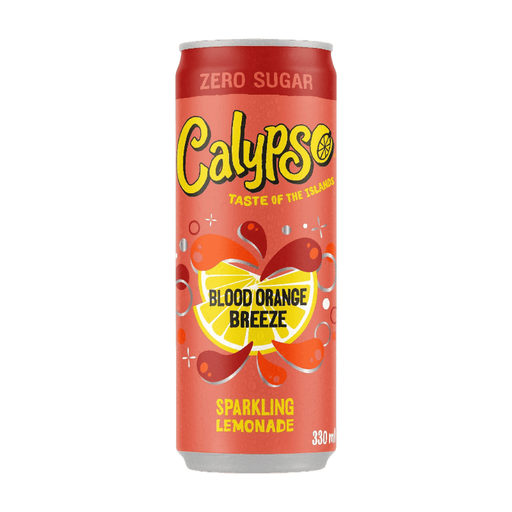
Why we chose it : This lemonade is the perfect option for guilt-free indulgence. It's clearly marketed as a sugar-free drink and is very low in calories, while offering a sophisticated blood orange flavour.
The product clears up any ambiguity about being "sugar-free". The ingredients list clearly states the sweeteners used (E955, E950), offering total clarity for the consumer, who knows they are choosing a sweet taste without the calorie load.
At only 2 kcal per 100ml, it's a refreshing drink with almost zero impact on daily calorie intake. Its nature as a sparkling drink enhances the refreshing feeling.
Discover our full selection of products that meet strict selection criteria and current regulations.
To put it simply, it's all about the percentage of fruit. A fruit juice is 100% pure fruit. A fruit nectar contains between 25% and 50%, with added water and sugar (or sweeteners). Finally, a fruit drink has less than 25% fruit, with water often being the number one ingredient.
It all depends on your goals. "Sugar-free" often means "with sweeteners" for a sweet taste without the calories. "No added sugar" means the drink only contains the natural sugars from the fruit. If you're looking to limit calories, the first option is a good choice. If you'd rather avoid artificial additives, the second is more suitable. In any case, the label is your best friend for making an informed choice.
Once opened, a bottle of fruit drink (especially large formats) should be kept in the refrigerator and consumed within 3 to 5 days. This recommendation is almost always printed on the packaging. Individual formats like cans, on the other hand, are designed for immediate consumption.