
Livraison le jour même ou le lendemain

Qualité garantie

Débloquez vos offres de bienvenue: Livraison GRATUITE | Jusqu'à -80 % | 30 jours d'essai gratuits à JoyPlus
Téléchargez l'application
The drinks aisle is a jungle of colours and promises. Between juices, nectars, and countless flavoured drinks, it's easy to get lost. The packaging often boasts benefits and a natural quality that isn't always found once the bottle is opened. To help you see things more clearly, our editorial team has decoded the labels and uncovered the pitfalls to avoid.
Before you fall for tempting packaging, keep an eye on these three often-misleading points:
To be sure you're choosing a fruit drink that's right for you, there's one simple rule: read the label. Here are the three parameters to scrutinise.
Regulations on this are very clear. Mastering these distinctions is the first step to making the right choice.
The ingredients list is arranged in descending order by weight. If "sugar" or a derivative (glucose-fructose syrup, fructose) appears in the second or third position, the drink is undoubtedly a sugar bomb. As a general rule, a short ingredients list is a sign of quality. For a healthier option, choose a 100% pure coconut water or a pure juice with no added sugars.
Looking for an experience that's out of the ordinary? Textured drinks are an avenue worth exploring. A quality aloe vera drink will contain real pieces of pulp, offering a very pleasant mouthfeel (a satisfying "chew"). Similarly, drinks with nata de coco (coconut gel) can turn a simple beverage into a veritable liquid dessert.
For fans of exotic fruit juices, the origin of the fruit is often a mark of authenticity. A mango juice made from fruits from Asia or South America will generally have a much richer and more complex flavour profile.
To move from theory to practice, here are a few products we recommend, each meeting a specific need.
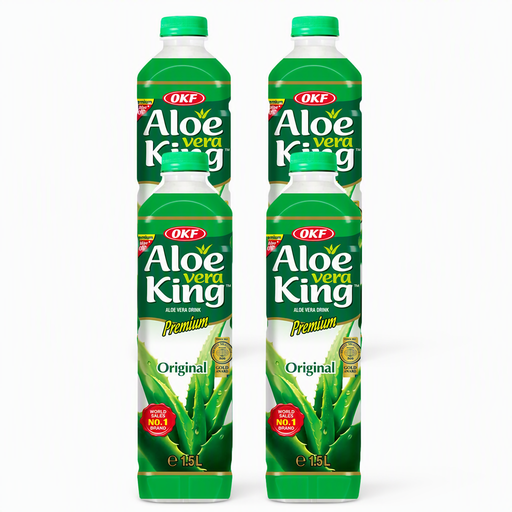
Why we chose it: Perfect for those who want more from a drink than simple refreshment. Its pleasant and unique chewiness is a radical departure from classic smooth juices.
Where many drinks make do with "ghost" pieces, this one boasts 9% aloe vera pulp. The result: the firm texture promised on the label is exactly what you get.
It combines hydration with a unique sensory experience. It's also a source of fibre, which clearly sets it apart from traditional smooth drinks.
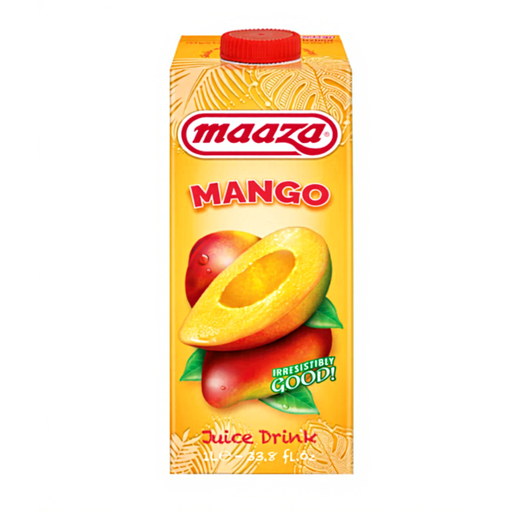
Why we chose it: Perfect for when you're craving a getaway, it delivers the authentic, intense taste of a quality mango, as if it were freshly picked.
While many competitors rely on flavourings, Maaza uses a mango purée base (17%). This guarantees a natural flavour with no chemical aftertaste.
An intense and natural mango taste. Its 1L format is ideal for the whole family, or as a base for cocktails and mocktails.
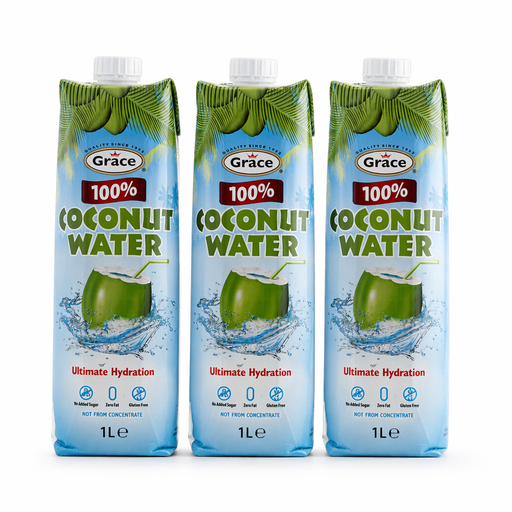
Why we chose it: For wellness enthusiasts who swear by all-natural products: an unprocessed drink with no additives or added sugar, for healthy and effective hydration.
It avoids the trap of fake "health" drinks packed with hidden sugars. Here, the ingredients list is unbeatable in its simplicity: 100% coconut water. Absolute transparency.
Pure and natural hydration. Zero added sugar, zero preservatives, zero colourings. The perfect choice for everyday use or for post-workout recovery.
Discover our complete, up-to-date selection of products that meet our selection criteria and current regulations.
The key difference is the fruit content. A pure juice is 100% from the fruit. A nectar contains between 25% and 50%, with added water and sugar. Finally, a fruit drink is the one with the least amount of fruit (often less than 25%), composed mainly of water, sugar, and flavours.
Once the bottle or carton is opened, it must be refrigerated, no exceptions! Most manufacturers recommend consuming it within 3 to 5 days to preserve freshness and avoid any bacterial risk. And of course, always close the cap tightly after each glass.
Yes, provided you take a close look at the ingredients. A good aloe vera drink, which clearly states its percentage of pulp, is an excellent alternative that is both refreshing and textured. It offers a much different mouthfeel than smooth juices. Just check that the ingredients list doesn't hide an excessive amount of added sugar.