
Same-day & Next-day Delivery

Quality Guaranteed

Unlock Your Welcome Offers: FREE Delivery | Up to 80% OFF | Free 30-day JoyPlus trial
Download the APP
Choosing a fruit drink at the supermarket can be a real puzzle. Between the flashy packaging and promises of "intense flavour," it's easy to make a mistake and end up with a product that disappoints in taste, composition, or price. As the Head of Product Selection at Joybuy, my role is to give you the keys to deciphering labels and making the right choice with full confidence.
This guide examines the most common traps and the essential criteria to check before you put a fruit drink in your shopping trolley.
Taste isn't everything. Too many consumers are left disappointed by a product that looked promising on the label. Here are the two main pitfalls to avoid.
Whether it's for daily hydration, a children's snack, or a special occasion, here are the two points to examine closely to ensure you make the right choice.
This is THE number one criterion. The golden rule: the ingredient list is always arranged in descending order by weight. If water and sugar appear before the fruit juice or purée, you're dealing with a simple flavoured drink, not a real fruit juice.
Also, keep an eye out for claims like 'preservative-free', 'no artificial colours', or, conversely, the presence of added vitamins if you are specifically looking for a vitamin-fortified drink.
The packaging is a practical and often decisive criterion.
To illustrate how to apply these criteria in practice, here are a few products that tick all the boxes for specific user profiles.
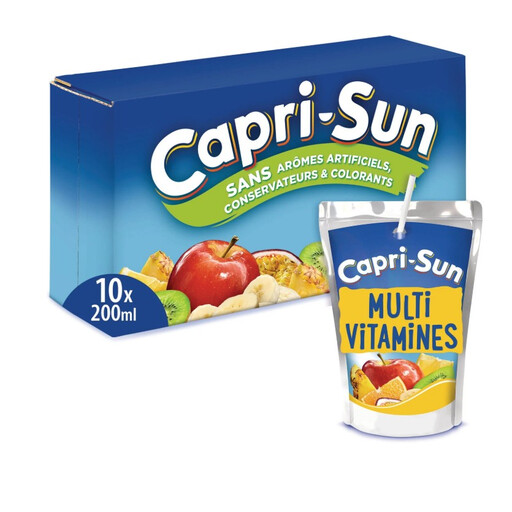
Why it's a great fit for them: Ideal for parents looking for a practical solution for snacks or outings. The 10-pouch pack format is easy to store and hand out, making it a perfect ally for children's snack time.
This product is a 'fruit drink', not a pure juice, but its composition is clearly stated. It contains 12% fruit juice from concentrate and is fortified with vitamins. The brand is transparent about the nature of the product.
Ultra-practical format: The 10-pouch pack is perfect for easy management of on-the-go drinks. Vitamin-enriched: Fortified with vitamins C, B3, E, B6, B1, and Biotin.
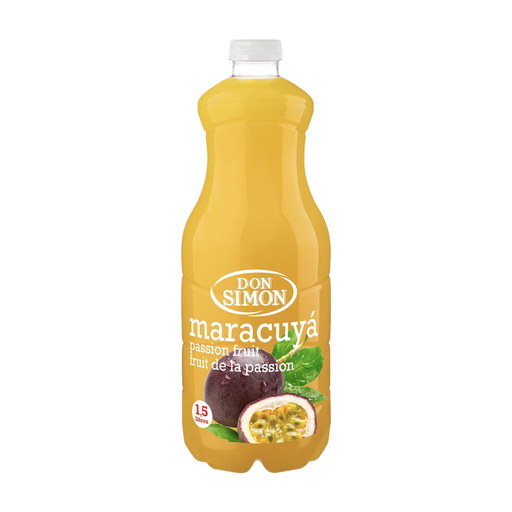
Why it's a great fit for them: For those seeking a flavour escape with an intense tropical drink. The 1.5L format is ideal for sharing during a meal or for pouring a large, refreshing glass at any time.
This product is clearly labelled as a 'nectar'. It doesn't pretend to be a pure juice. Its composition indicates a 20% fruit juice content from concentrate (passion fruit and mango), which is honest for this category.
Rich exotic taste: The combination of passion fruit and mango delivers a rich and authentic flavour. Value size: The 1.5L bottle offers great value for money for regular consumption.
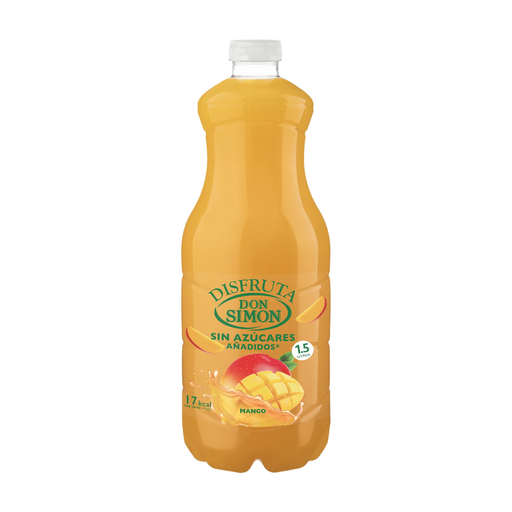
Why it's a great fit for them: Perfect for those who want to enjoy the taste of fruit without compromising their nutritional goals. This no-added-sugar drink is an excellent alternative for a guilt-free treat.
This product directly tackles the hidden sugar trap. The 'No Added Sugar' claim is justified by the ingredient list, which uses a sweetener (sucralose) instead of sugar, while still preserving the taste of the mango purée.
Low-calorie drink: With only 17 kcal per 100 ml, it's a very light option. Preserved taste: Mango purée remains the main ingredient after water, ensuring an authentic fruity flavour.
We have put together a complete selection of products that meet these criteria and comply with regulations.
The main difference lies in their fruit content. A pure juice is made of 100% fruit. A nectar contains between 25% and 50%, topped up with water and often sugar. Finally, a fruit drink has an even lower fruit content and typically includes additives like flavourings or colourings.
Once the bottle or carton is opened, whether it's a juice or a nectar, it must be stored in the refrigerator. To ensure optimal freshness and taste, it is recommended to consume it within 3 to 5 days. Always refer to the specific instructions on the packaging.
Absolutely not. A fruit drink, even a pure juice, can never replace a whole piece of fruit. The latter provides fibre, vitamins, and minerals in their most complete and beneficial form. The juicing process removes a large portion of the fibre. Fruit drinks can be part of a balanced diet, but they should never be a substitute for eating fresh fruit.