
Livraison le jour même ou le lendemain

Qualité garantie

Débloquez vos offres de bienvenue: Livraison GRATUITE | Jusqu'à -80 % | 30 jours d'essai gratuits à JoyPlus
Téléchargez l'application
The fruit drink aisle can quickly become overwhelming. Between the colourful labels, promises of exotic flavours, and nutritional claims, it's hard to know where to look. The result: you often walk away with a disappointing product, whether in terms of taste, ingredients, or price. This guide is here to give you the keys to making a smart, informed choice.
Before we get to the selection criteria, let's review the most common pitfalls that lead to disappointment or unnecessary expense.
To see things more clearly, focus on three verifiable points that define a product's quality and whether it meets your expectations.
The product's name on the label is your first clue. In the European Union, the categories are highly regulated:
The one habit to adopt: turn the bottle over and decode the label. The ingredients are listed in descending order of quantity. If water and sugar appear at the top of the list, before the fruit, that's a red flag. Take an expert look at the "Carbohydrates of which sugars" line in the nutritional table. It tells you the total amount of sugar per 100 ml, whether it's added or not. For reference, a truly light refreshing drink has around 5g of sugar per 100 ml, or even less.
Packaging is a more important criterion than it seems. Large 1.5L PET bottles, like those from the Don Simon boisson brand, are perfect for economical family consumption. On-the-go formats (cans, small 320ml to 500ml bottles) are ideal for a solo treat or for trying something new. For example, 1L cartons of coconut water are a daily hydration partner, while a fun drink like a Mogu Mogu is designed for a nostalgic, indulgent break.
To put theory into practice, here are a few options that each meet a specific need.

Why we recommend it: With its large 1.5L format, this nectar is perfect for the breakfast table. It's the smart alternative for parents who want to limit sugar without sacrificing the fruity pleasure their kids love.
This nectar is all about transparency: it clearly displays the "no added sugar" claim and uses a sweetener (sucralose) to maintain a sweet taste with minimal calories. No unpleasant surprises.
Its minimal calorie count (only 20 kcal/100 ml) and its economical family size make it the ideal companion for breakfast or an afternoon snack.
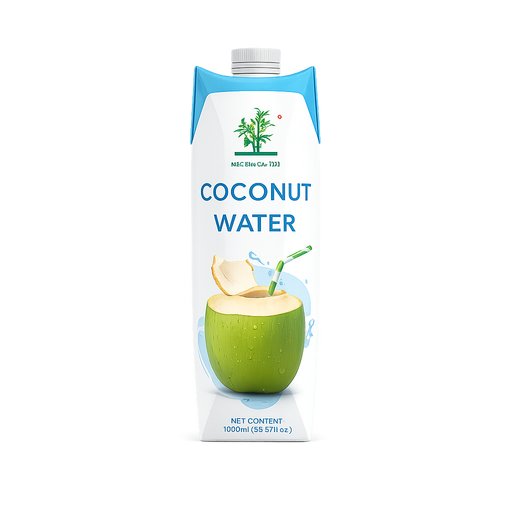
Why we recommend it:Coconut water is the ultimate healthy alternative to traditional juices. Ultra-thirst-quenching, it's perfect for rehydrating after a workout or simply to get through a hot summer day.
No frills here. The ingredients list is ultra-short and crystal clear: 98.5% coconut water and a hint of cane sugar. The product doesn't pretend to be something it's not.
Naturally low in calories (23 kcal/100 ml) and gluten-free. Its purity makes it an excellent base for smoothies, but it's also delicious on its own, served chilled.
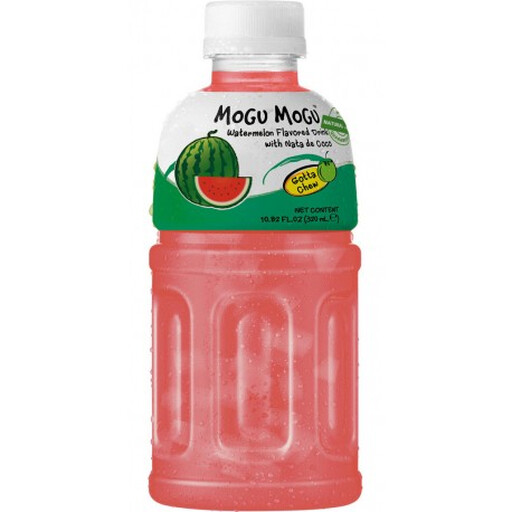
Why we recommend it:Mogu Mogu is the cult-favourite drink for anyone seeking a unique texture. More than just a beverage, it's an experience: a refreshing watermelon flavour with small, chewy cubes of nata de coco. A fun and delicious two-in-one.
Mogu Mogu is honest: it's a fun, indulgent drink, and it owns it. No false dietary promises, just clear positioning in the treat category based on originality and taste.
Its unique texture with pieces of nata de coco is inimitable. The 320ml format is perfect for taking anywhere and enjoying a nostalgic break.
Explore our full selection of fruit drinks, tested and approved by our editors.
1. What's the difference between a juice, a nectar, and a fruit drink? To put it simply, it's all about the percentage of fruit. A fruit juice is 100% fruit, period. No added sugar is allowed. A nectar is a mix of purée or juice (usually between 25% and 50%), water, and often sugar. A fruit drink, on the other hand, contains very little fruit (sometimes less than 10%), with the rest being mainly water, sugar, and flavourings.
2. How should I store my fruit drink after opening it? Once opened, it goes straight to the fridge, no exceptions! Generally, it's recommended to finish it within 3 to 4 days to preserve its taste and freshness. When in doubt, always follow the instructions on the packaging.
3. Is a "no added sugar" drink necessarily low-calorie? Watch out for this trap! This claim only guarantees that no sugar (sucrose, syrup, etc.) was added during manufacturing. But fruits contain their own sugar, fructose. A large glass of 100% pure grape juice, even with no added sugar, can be as caloric as a soda! If you're looking for a truly light option, go for nectars with sweeteners or the unbeatable coconut water.