
Livraison le jour même ou le lendemain

Qualité garantie

Débloquez vos offres de bienvenue: Livraison GRATUITE | Jusqu'à -80 % | 30 jours d'essai gratuits à JoyPlus
Téléchargez l'application
Whether it's the return of sunny days or just a craving for a sweet break, the fruit drink aisle has never been more tempting. But be careful?: behind the colourful labels and promises of freshness, marketing traps often lie in wait. As a product expert at Joybuy, my mission is to help you decipher these labels to make an informed choice that truly fits your tastes and lifestyle.
Before you fill your basket, let's review the 3 most common traps in the fruit drink aisle.
To navigate these traps, focus on a few key pieces of information that never lie. They can all be found on the product label.
Your first reflex? Read the ingredients list. The order is crucial?: they are always listed in descending order by weight. A quality drink will list fruit juice or purée at the top, right after water.
This is often the heart of the matter. To make an informed choice, you need to learn how to read the labels.
Here, it's all a matter of personal taste.
To guide you, here are a few gems that stand out for their composition and cater to different profiles.
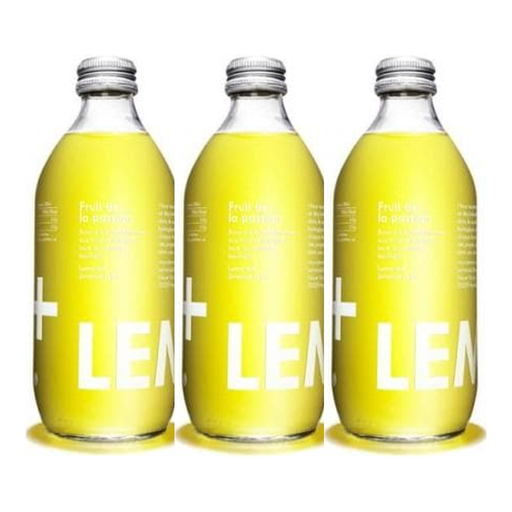
Why we chose it : This lemonade is for those seeking more than just a drink : a commitment. It's perfect for consumers who care about product origins and prioritise organic and fair trade practices.
It sidesteps the flavour trap by relying on a high percentage of real organic fruit juice. There is full transparency on the origin of the ingredients, including fair trade cane sugar and fruit juices.
100% organic ingredients, with no synthetic additives. Every bottle supports the social projects of the Lemonaid & ChariTea Foundation.
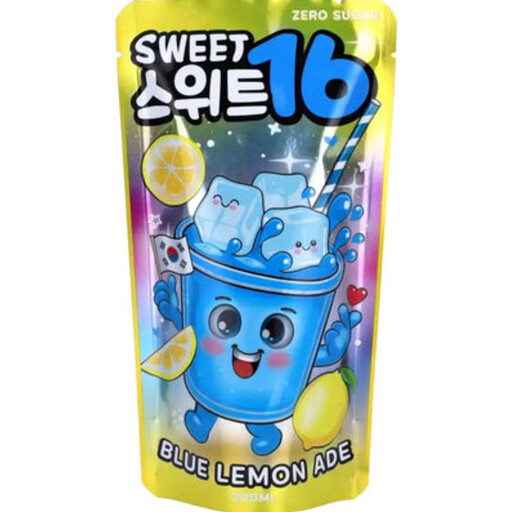
Why we chose it : Perfect for a guilt-free indulgence with a fun and original drink. Its on-the-go pouch format is ultra-convenient, and its flashy colour makes it as fun to look at as it is to drink.
No false pretences here: the zero sugar promise is kept. The sweet taste comes from sweeteners (sucralose, stevia), for a virtually non-existent calorie count (1 kcal per 100ml).
Zero sugar and almost zero calories. A fun and practical pouch format, directly inspired by Korean trends.
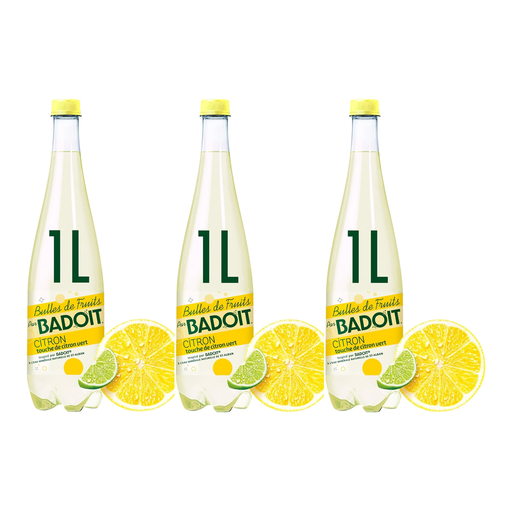
Why we chose it : The ideal solution for hydrating with a touch of pleasure, but without sugar or calories. An elegant alternative to still water, combining Badoit's iconic fine bubbles with a hint of lemon.
This product is the epitome of simplicity. No traps, no misleading claims: it's a flavoured water with zero sugar and zero calories. The ingredients list is crystal clear: carbonated natural mineral water, natural lemon flavour, and that's it.
Refreshing pleasure, minus the calories. A simple and natural recipe. The iconic fine bubbles of Badoit.
Discover our full selection of products that meet our quality standards and current regulations.
A not-from-concentrate fruit juice is 100% pressed fruit, with no added sugars or additives (with rare exceptions to regulate acidity). A nectar, on the other hand, is a blend of fruit purée or juice (with a regulated minimum content, often between 25% and 50%), to which water and, often, sugar or sweeteners are added. Nectars are created for fruits that are too pulpy or acidic to be drunk as pure juice, such as mango, banana, or apricot.
The organic label guarantees a method of production that respects the environment, without synthetic pesticides or fertilisers. It therefore relates to how the ingredients are grown. Be aware, this doesn't mean the drink is low-calorie: an organic drink can be very high in sugar. The organic label is a mark of quality regarding the origin of the raw materials, but it doesn't exempt you from checking the nutritional label to assess the sugar content.
Once the bottle or carton is opened, it must be kept in the refrigerator. Most manufacturers recommend consuming it within 3 to 5 days to ensure its freshness and prevent bacterial growth. For cans, it is advisable to drink them quickly after opening, as they cannot be resealed.