
Livraison le jour même ou le lendemain

Qualité garantie

Débloquez vos offres de bienvenue: Livraison GRATUITE | Jusqu'à -80 % | 30 jours d'essai gratuits à JoyPlus
Téléchargez l'application
The beverage aisle is a veritable jungle of colours and promises. Between a freshly squeezed fruit juice, a refreshing fruity iced tea, or an exotic drink from Korea, it's easy to get lost. As a product expert at Joybuy, my role is to guide you beyond the eye-catching packaging to make the right choice.
Choosing a fruit drink shouldn't be a headache. However, a few common traps can spoil the experience. Here are the points to watch out for to make an informed purchase.
vitamin drink or one presented as a healthy alternative can contain significant amounts of added sugars, like fructose syrup, which negate its potential benefits.To avoid falling into the trap, there's one simple rule: read the label. Focus on these three key points to find the drink that's truly right for you.
Regulations are clear, but marketing jargon can create confusion. Let's break it down:
non-alcoholic soft drink, like a fruit soda or a fruity iced tea.Sugar is the other crucial point. It's important to distinguish between sugars naturally present in the fruit and those that have been added.
The landscape of fruit beverages is vast. Identifying the right category helps to narrow down your search:
To help you make your choice, here is a selection of products that tick all the boxes, designed for different profiles and preferences.
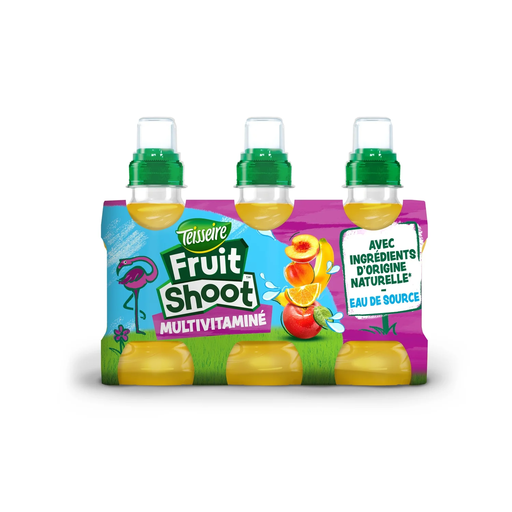
The smart choice for: kids' snacks and outings. Its multipack format and resealable sports cap are perfect for on-the-go, mess-free consumption. It's designed to make parents' lives easier.
The product is clearly labelled as a "fruit juice drink" (with 10% fruit juice) and not a pure juice. The label is transparent about its composition and highlights its fortification with vitamins (B3, B6, B8).
Its practical format with a sports cap is ideal for children. Contains no artificial flavours or colours.
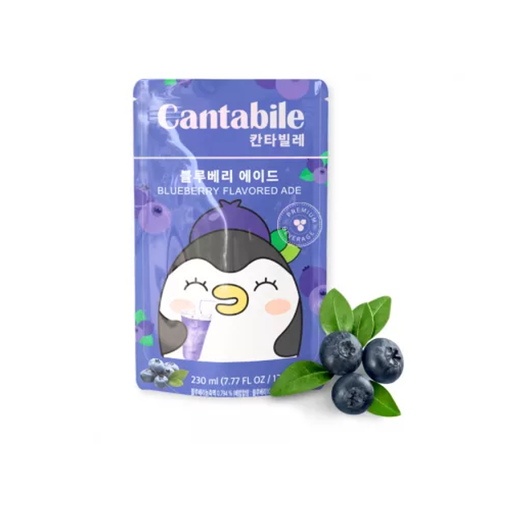
The smart choice for: the curious and fans of international culinary trends. This Korean "ade" is a light and refined alternative to classic sodas. A true journey for your taste buds.
The promise is honest: it's a low-calorie drink that gets its sweet taste from sweeteners (stevia, sucralose). It doesn't claim to be a health juice, but rather a refreshing, enjoyable beverage.
An original flavour profile (blueberry and grape). A very low calorie count (only 5.46 kcal/100 ml).
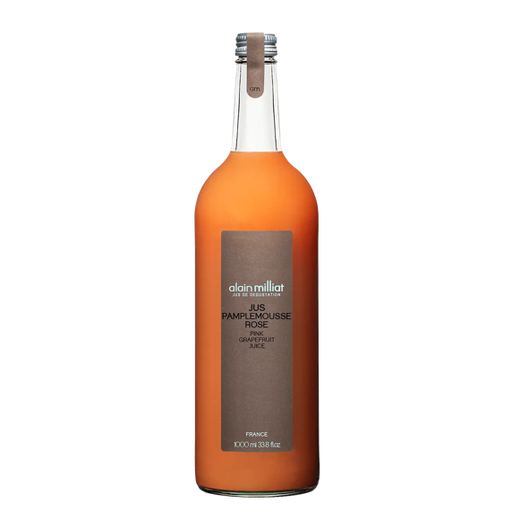
The smart choice for: lovers of authenticity and uncompromising quality. This juice is for connoisseurs seeking the pure taste of the fruit, with no gimmicks, ideal for breakfast or brunch.
The transparency is absolute: the ingredients list contains one single item, "100% pink grapefruit juice". There is no room for hidden sugars, flavours, or additives. It's the antithesis of misleading marketing.
100% pure juice, with no added sugars. An authentic flavour and incomparable freshness.
We have selected a complete range of products that meet these quality criteria and current regulations.
The fundamental difference is the fruit content. A "pure juice" is made from 100% pressed fruit, with no additions. A "fruit drink" is primarily water, to which a small amount of juice (often 10-15%), sugar (or sweeteners), and flavours are added. It is positioned more as a refreshment than a nutritional supplement, which also explains its often lower price.
For a low-calorie drink, there are two things to do. First, check the nutritional information for a low energy value (ideally less than 20 kcal per 100 ml). Second, scan the ingredients list for sweeteners like stevia (E960), sucralose (E955), or acesulfame K (E950) instead of sugar.
Yes, but not indefinitely. Once opened, a fruit drink (pure juice or flavoured) must be kept in the refrigerator. It is advisable to finish it within 3 to 5 days to ensure its freshness and prevent bacterial growth. The best advice is always to follow the specific instructions on the packaging.