
Livraison le jour même ou le lendemain

Qualité garantie

Débloquez vos offres de bienvenue: Livraison GRATUITE | Jusqu'à -80 % | 30 jours d'essai gratuits à JoyPlus
Téléchargez l'application
Looking to cool down with a fruit drink? It seems simple enough. Yet, once you're in the aisle, it's a jungle out there: labels are often confusing, if not downright misleading. Between promises of natural ingredients and the reality of what's inside, it's easy to make the wrong choice. Our mission? To help you decipher this information and choose the drink that's truly right for you, whether for a daily refreshment break or a new taste experience.
Before you fill your basket, let's review the most common traps:
To avoid falling into these traps, you just need to know how to read a label. A few key pieces of information can make all the difference between a great purchase and a product that ends up at the back of the cupboard.
The product's name is the first clue. French and European regulations are clear:
The sugar content is a major criterion for many of us. Here's how to get a clear picture:
A short ingredients list is often a sign of quality. Pay attention to flavourings (natural or artificial), colourings, and preservatives. A quality non-alcoholic refreshing drink will always favour natural flavourings and keep additives to an absolute minimum.
To illustrate these criteria, here are a few products that meet distinct needs and consumer profiles.
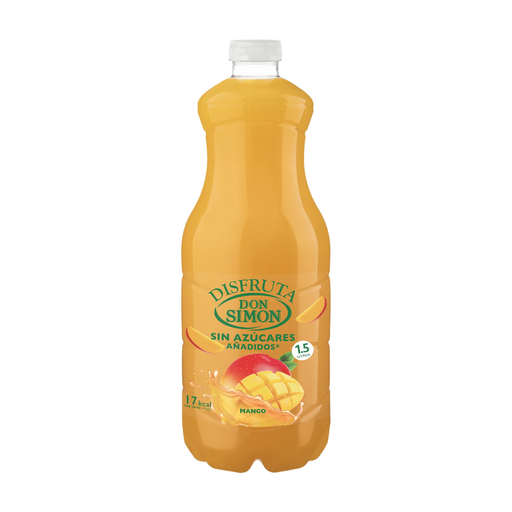
Perfect for lovers of tropical drinks who don't want to compromise on calories. Its 1.5L family-size format is also a plus for regular consumption.
This nectar avoids the hidden sugar trap. The "no added sugar" label is clear, and it uses a sweetener (sucralose) for a sweet taste with only 17 kcal per 100 ml.
Very low calorie count. Intense mango flavour thanks to fruit purée. Economical format.
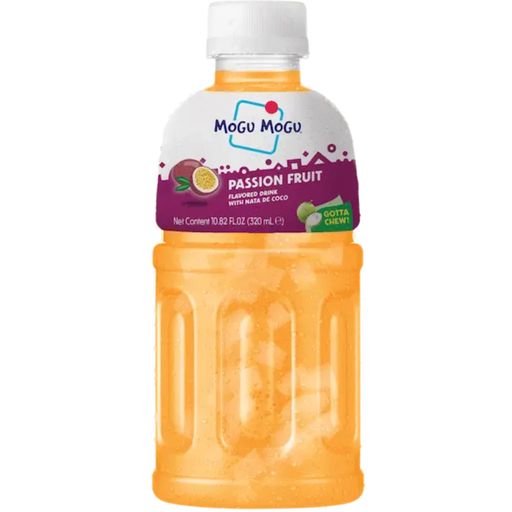
For those who want more than just a drink: a true experience. Mogu Mogu combines an exotic fruit juice with chewy nata de coco pieces for a texture that's as fun as it is unexpected.
This product plays the transparency card: it doesn't pretend to be a pure juice but embraces its identity as a fun drink. The ingredients list is clear about the presence of nata de coco, fructose, and flavourings.
Original and fun texture. Intense passion fruit flavour. A drink you can both sip and "chew".
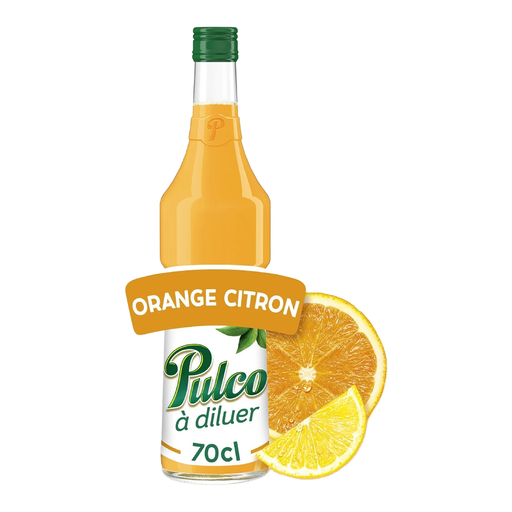
The ultimate economical and versatile solution. Its concentrated format allows you to adjust the taste intensity and the amount of drink, thus limiting waste and adapting to the whole family's preferences.
Pulco is upfront: it's marketed as a "drink to dilute," not a pure juice. The juice content (46%) is clearly stated, avoiding the false "100% fruit" trap.
Ultra-economical to use. Fully customisable taste. No sweeteners, artificial colours, or preservatives.
Discover our full selection of products that meet these quality criteria and current regulations.
It's all about the fruit content and added ingredients. A pure juice is 100% from the fruit, with no added water or sugar. A nectar, on the other hand, is a mix of fruit juice or purée (usually between 25% and 50%), supplemented with water and, most often, sugar or sweeteners.
Not necessarily. This claim only indicates that the manufacturer hasn't added any sugars during production. However, the drink still contains the sugars naturally present in the fruit, which can be significant. For a complete picture, it's essential to check the "of which sugars" line in the nutritional table.
Once opened, a fruit drink must be kept in the refrigerator. Most manufacturers recommend consuming it within 3 to 5 days to ensure freshness and prevent bacterial growth. For concentrates like Pulco, the shelf life after opening can be up to a month when refrigerated. Always refer to the instructions on the packaging.