People who prefer to season vegetables themselves
You want to decide how much oil, butter, cream or salt to add to your vegetables. Plain vegetables give you a base you can prepare to suit your taste, as long as you check the ingredients.


If keeping fat under control is a priority when cooking at home, choose plain frozen vegetables so you can season them yourself. A ready-seasoned stir-fry takes less preparation, but may contain oil. Compare the ingredients list and fat per 100 g before you choose.
You want to decide how much oil, butter, cream or salt to add to your vegetables. Plain vegetables give you a base you can prepare to suit your taste, as long as you check the ingredients.
You like the convenience of a ready-made vegetable mix that cuts down on preparation. It’s still worth checking the recipe: some stir-fries contain oil or salt before you add anything during cooking.
You want to serve a variety of vegetables and adjust the quantities to suit your guests. The pack size, ingredients and allergens are just as important as the recipes you choose.
First decide whether you want to season the vegetables yourself or save time with a prepared recipe. Then compare the labels on packs that suit your choice.
| Criteria | What to check | Who it matters to |
|---|---|---|
| Fat | Compare fat per 100 g and look for oil or sauce in the ingredients. | I want to season the vegetables myself; around 42% of consumers would make keeping fat under control their top priority. |
| Preparation time | Read the instructions and cooking time, then check whether the stir-fry is already seasoned. | If I’m cooking several dishes before serving, I prefer a quick side dish; around 33% of consumers would put this time-saving benefit first. |
| Variety for guests | Check the ingredients, allergens and net weight of each pack. | If I’m serving different sides to several people, I need to be able to choose recipes to suit them; around 25% of consumers would prioritise this variety. |
According to Auchan, its country-style vegetable stir-fry contains no preservatives, but it does contain rapeseed oil and has 1.7 g of fat per 100 g. These statements describe different things.
For the recipe you’re considering, check both the ingredients list and the “fat” line in the nutrition table.
Some oil may already be mixed into the vegetables or their seasoning. Carrefour Extra’s Southern-style stir-fry, for example, includes aubergines grilled in oil.
Check the ingredients and cooking instructions before adding any fat.
A prepared recipe may contain more ingredients than plain vegetables. France’s Directorate General for Competition Policy, Consumer Affairs and Fraud Control points out that allergens must be highlighted in the ingredients list of pre-packed foods.
Check every pack intended for guests with allergies and keep the packaging until you serve the food.
The brand offers both plain frozen vegetables and prepared recipes. These are two different types of product, so choose according to how you want to season your vegetables.
The retailer offers plain vegetables, prepared vegetables and vegetable bakes. Start by choosing the type of preparation you need.
The retailer offers vegetable stir-fries. Compare each recipe rather than relying on the product name alone.
The Notre Jardin range includes a variety of stir-fries, including recipes that combine vegetables with pulses or grains.
ALDI’s frozen vegetable range includes plain vegetables as well as more elaborate All Seasons dishes.
These frozen vegetables can be the starting point for homemade side dishes. To keep control of the fat you add, compare the ingredients for each product and season to taste when you cook.
 Image unavailable
These green beans make a handy side dish that you can season yourself. The pack contains 750 g; check the ingredients list and nutritional information before deciding what to add.
 Image unavailable
This 450 g pack could be a good choice if you’re making a smaller side dish. Check the ingredients, fat per 100 g and cooking instructions before planning your meal.
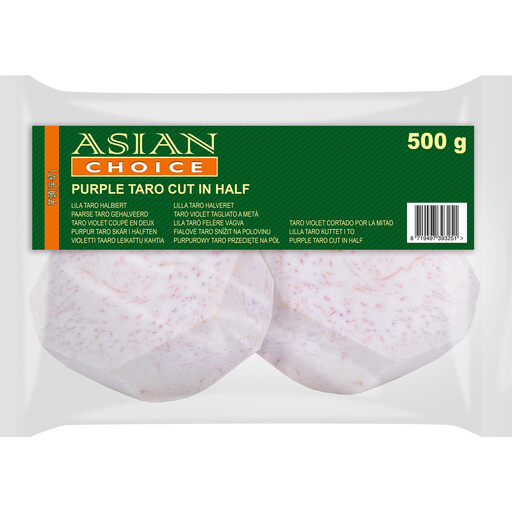 Image unavailable
Taro is a different option to add variety to your meal. It comes halved in a 500 g pack; check the ingredients and cooking instructions before adding it to your menu.
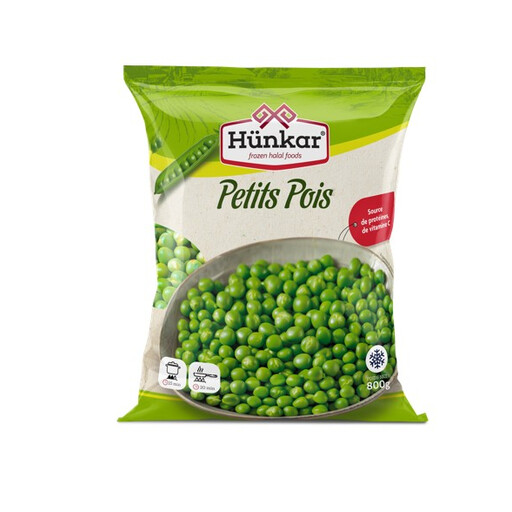 Image unavailable
These peas can make a useful side dish if you’re planning to use an 800 g pack. Check the fat per 100 g, allergens and cooking instructions on the packaging before serving.
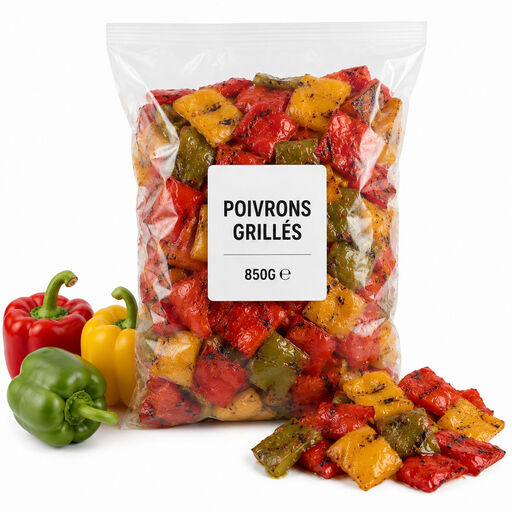 Image unavailable
These grilled peppers can add something different to your meal. The pack contains 850 g. As grilling may involve added ingredients, depending on the recipe, check the ingredients, fat per 100 g and preparation instructions.
Compare the “fat” value per 100 g, then read the ingredients to check for oil, sauce or cream. France’s Directorate General for Competition Policy, Consumer Affairs and Fraud Control states that nutrition information for pre-packed foods is given per 100 g or 100 ml, so you should compare this figure rather than the pack size.
No. “No preservatives” doesn’t tell you how much fat a product contains. According to Auchan, its country-style vegetable stir-fry contains rapeseed oil and has 1.7 g of fat per 100 g, even though the retailer describes it as containing no preservatives.
No. For this specific criterion, check the fat per 100 g in the nutrition information. Read the ingredients too if you want to know whether the recipe already contains oil or sauce.
Check the ingredients and allergens in each pack, then work out quantities based on its net weight. France’s Directorate General for Competition Policy, Consumer Affairs and Fraud Control points out that allergens must be highlighted in the ingredients list of pre-packed foods. Keep the packaging to hand until you serve the food.