Anyone who wants to control the seasoning
If you’re preparing a side dish for Easter lunch, plain frozen vegetables let you decide how much oil, butter or sauce to add while cooking.


To keep the fat in your Easter side dish under control, start with plain frozen vegetables or an unseasoned mix, then choose your own seasoning. If you’d rather serve a prepared vegetable pan, mash or gratin, compare the fat per 100 g and the ingredients list for each product. The recipe name alone won’t tell you what’s in it.
If you’re preparing a side dish for Easter lunch, plain frozen vegetables let you decide how much oil, butter or sauce to add while cooking.
Pre-cut or part-cooked vegetables can mean less preparation before serving. However, this format alone doesn’t tell you how much fat the recipe contains.
If the recipe may contain cream, cheese or sauce, check the ingredients list and the allergens highlighted on the product you plan to serve.
First, choose the level of preparation that suits your meal, then compare the labels of similar products. The DGCCRF says that nutrition information per 100 g makes comparisons easier, while the ingredients list helps you spot what has been added to each recipe.
| What to check | Checks | Who it matters to |
|---|---|---|
| Added fat | Compare fat per 100 g across similar products and look for oil, butter, cream or sauce in the ingredients. | If I want to control the seasoning myself, I like to know what’s in the bag before I start cooking. Around 36% of consumers put controlling added fat first. |
| Preparation time | Check whether the vegetables are pre-cut or part-cooked, as well as the preparation instructions on the bag. | When several dishes need to be ready at the same time, I need a side that’s easy to prepare, without assuming it contains less fat. Speed comes first for around 29% of consumers. |
| Ingredients and allergens | Read the ingredients list and check the highlighted allergens, especially for recipes containing cream, cheese or sauce. | Before serving my guests, I want to know what’s in a prepared recipe rather than relying on the word ‘vegetables’ alone. This check is the priority for around 21% of consumers. |
| Pack size | Check the net weight and, if stated, the number of portions to work out how much you’ll need for your guests. | For a meal with several guests, I look for a pack size that suits the number of people and the space available in my freezer. Around 14% of consumers prioritise pack size. |
A vegetable pan, mash or gratin may contain added ingredients that affect its nutritional values and the allergens you need to consider.
To compare two products, check the fat per 100 g, then read the ingredients list for each one.
Pack sizes vary, and a size that suits a small meal may not be enough for all your guests.
Check the net weight and the stated number of portions, then work out how many packs you’ll need.
How long frozen food is in transit and left out before you put it away matters for keeping it in good condition until the meal.
Anses recommends buying frozen food at the end of your shop and using an insulated bag to carry it home. Then follow the storage instructions on the packaging.
Bonduelle offers frozen vegetables to cook, as well as prepared vegetable recipes.
Carrefour’s frozen range separates plain vegetables from prepared dishes.
E.Leclerc’s range includes plain frozen vegetables and prepared vegetable dishes.
Auchan’s range includes individual vegetables, mixes, vegetable pans, mashes and frozen gratins.
These bags of vegetables and frozen mixes can be used as a base for an Easter lunch side dish. If fat content or allergens influence your choice, check the label of the product you select before deciding how to season it.
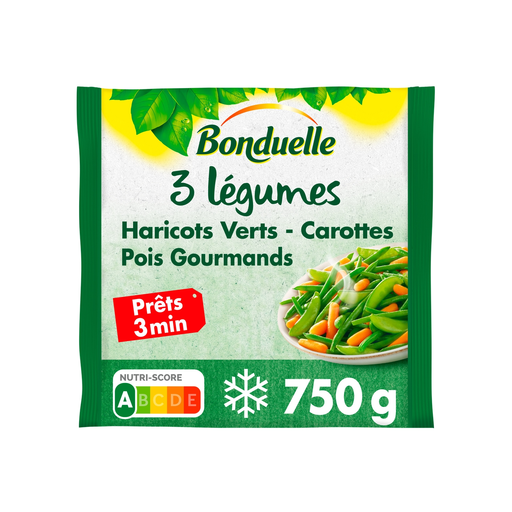 Image unavailable
This mix is a good choice if you’d like to serve several vegetables together and choose your own seasoning. Check the cooking instructions and allergens on the packaging.
 Image unavailable
These green beans are a good choice if you’d rather season your side dish yourself. Check the packaging for preparation instructions and allergen information.
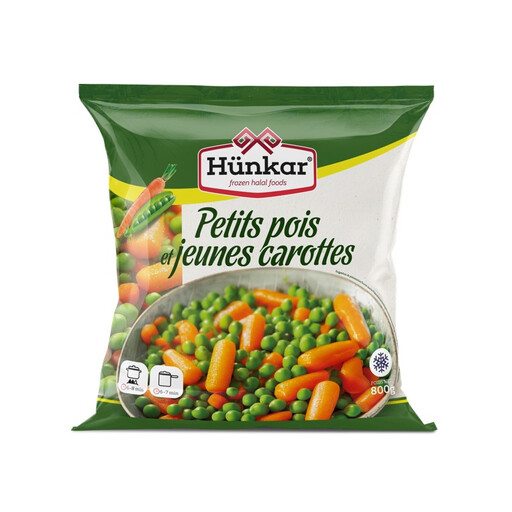 Image unavailable
This mix lets you serve two vegetables as part of the same side dish. To plan the meal, check the cooking time and allergens on the bag.
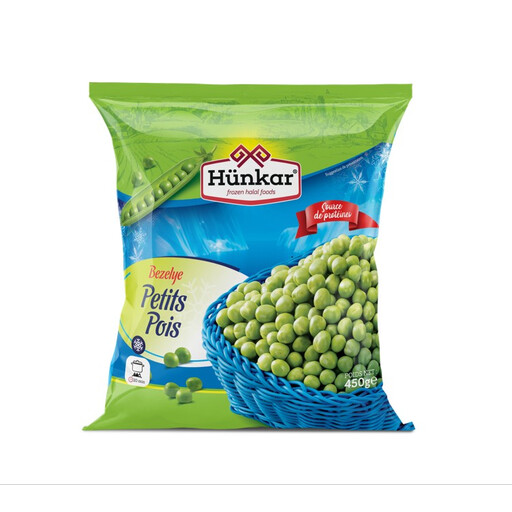 Image unavailable
These peas are a good choice if you’re looking for a single vegetable to serve as a side. Cook them according to the instructions on the pack and check the allergen information.
 Image unavailable
This preparation is a good choice if you’re looking for a green bean side dish. If you want plain green beans, check the ingredients list. Also check the cooking instructions and allergens on the packaging.
No. Here, it describes your aim of limiting fat, not a confirmed feature of a specific product. Compare the values per 100 g for similar products and read the ingredients to spot any additions.
Plain vegetables are a good starting point if you want to control the seasoning yourself. A vegetable pan, mash or gratin can make serving easier, but you should check its fat content and ingredients on the label.
Read the ingredients list on each bag and check which allergens are highlighted. This is particularly important for recipes with cream, cheese, sauce or seasoning: the word ‘vegetables’ alone doesn’t tell you what’s in the product.
Buy them at the end of your shop and keep them cold on the journey home. Anses recommends using an insulated bag to transport frozen food. Then follow the storage instructions on the pack.