Buyers choosing several pizzas and keeping an eye on fat content
You want to compare the figures per 100 g before stocking up, without assuming that a vegetable recipe, margherita or organic pizza is necessarily lower in fat.


If you’re choosing several frozen pizzas and want to prioritise lower fat content, compare the figures per 100 g for recipes that suit your needs, rather than assuming a recipe is “light” based on its name. Then check the weight of each product, allergens, cooking instructions and the space available in your freezer at −18 °C. A lower fat content won’t, on its own, address all the practicalities of buying in bulk.
You want to compare the figures per 100 g before stocking up, without assuming that a vegetable recipe, margherita or organic pizza is necessarily lower in fat.
You’re looking for a format that will cover several meals, and need to check the total weight, details for each recipe and the space available in a freezer at −18 °C.
For a community group or catering service, the number of pizzas needs to suit your storage space and oven, as well as the cooking instructions for the specific product you choose.
When buying several frozen pizzas, start by checking the nutritional figures for each recipe, then make sure the format you’re considering works for your storage and serving needs. The priorities below reflect what matters most to different shoppers.
| Criteria | What to check | Who it matters to |
|---|---|---|
| Fat content | Compare the fat content per 100 g for pizzas intended for similar occasions. Also check saturated fat and the ingredients. | If I want to prioritise this when stocking up, I compare recipes individually rather than relying on their names. Around 36% of consumers would make this their priority. |
| Pack size | Check the number of pizzas, the weight per pizza and the total weight, then make sure you have enough space. | If I’m planning several meals, I look for a quantity I can realistically store and use. Pack size would be the top consideration for around 29% of consumers. |
| Ingredients and allergens | Read the ingredients list and allergen information for each recipe, including in mixed packs. | If several people will be sharing the pack, I need to be able to identify the ingredients in each pizza before serving it. Around 21% of consumers would put this check first. |
| Storage and cooking | Check that you have enough freezer space at −18 °C and read the cooking instructions for the product you’ve chosen. | If I need to prepare lots of pizzas, I won’t order more than my freezer and oven can handle. Around 14% of consumers would make this their top priority. |
A recipe’s name is no substitute for its nutritional information. Product pages checked at Carrefour and Joybuy show that fat content varies between products. A lower figure in this comparison alone doesn’t mean a pizza can be labelled “reduced fat”.
Compare the grams of fat per 100 g and check separately for any claim on the packaging of the product you choose.
A multi-pack and a large pizza don’t represent the same quantity to store or serve. Pack size also tells you nothing about the ingredients in each recipe.
Check the number of pizzas and the total weight, then review the nutritional information and allergens for each product.
Buying in bulk means you’ll need enough freezer space and a plan that works with your oven. Cooking instructions for a catering product won’t automatically apply to another pizza.
Check the space available at −18 °C before ordering, and read the cooking instructions for each product you receive.
Ingredients and allergens can vary from one pizza to another, even when the products are intended for the same meal.
Keep the packaging for each recipe and check the details before serving the pizzas to anyone with specific dietary requirements.
These brands offer a few individual pizzas to compare. The figures for one product don’t describe the entire range.
The range includes the Fraich'Up 5 légumes frozen pizza.
The Suprema and Ristorante recipes checked have different ingredients and weights.
The 310 g Carrefour Bio Margherita is one own-brand product you can use for comparison.
The E.Leclerc range includes Turini pizzas in several formats.
The products below are ordered by their declared fat content per 100 g, based on their product pages at Carrefour or Joybuy. This ranking considers fat content alone. It isn’t an overall ranking of frozen pizzas, nor does it mean that any of them carries a “reduced fat” claim.
| Rank | Product | Details | What to know | Platform |
|---|---|---|---|---|
| 1 | Buitoni Fraich'Up 5 légumes, 600 g | 6 g of fat per 100 g | Figure listed on Carrefour’s page for this recipe. Check its other nutritional information and pack size before choosing it. | Carrefour |
| 2 | Dr. Oetker Suprema 5 Fromages, 424 g | 9,1 g of fat per 100 g | Figure listed by Joybuy for this product. On its own, it doesn’t tell you about salt, allergens or any nutritional claim. | Joybuy |
| 3 | Carrefour Bio Margherita, 310 g | 9,3 g of fat per 100 g | Figure listed by Carrefour for this margherita. It doesn’t apply to other Carrefour Bio recipes. | Carrefour |
| 4 | Dr. Oetker Ristorante Margherita, 250 g | 12 g of fat per 100 g | Figure listed by Carrefour for this Ristorante recipe. Compare it with pizzas that suit the meal and pack size you’re looking for. | Carrefour |
| 5 | Dr. Oetker Ristorante 4 Fromages, 340 g | 13 g of fat per 100 g | Figure listed by Joybuy for this recipe. If you’re sharing it, check the ingredients list and allergen information too. | Joybuy |
These products let you compare different frozen pizza weights before stocking up. The pack of lahmacuns is a related product, so consider it separately if you’re looking for a classic pizza. Whatever you choose, check the fat content per 100 g and the information on the product you order.
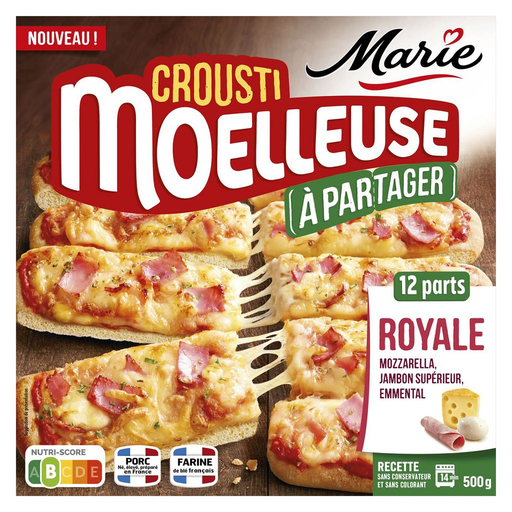 Image unavailable
A sharing-size option if you want to compare the weight of each pizza before planning several meals. The pizza weighs 500 g. Check the nutritional figures for this recipe and the pack size you want for your purchase.
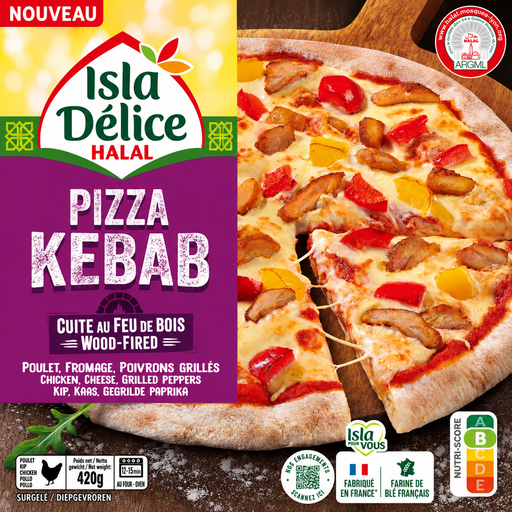 Image unavailable
Worth considering if you’d like to include a kebab and pepper recipe in your selection of pizzas. It weighs 440 g. Check the ingredients list and allergen information on the packaging you receive before serving it to a group.
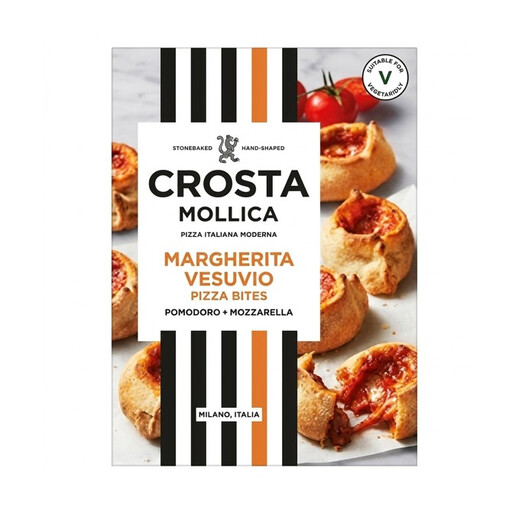 Image unavailable
The mini format could suit you if you’d rather serve individual portions than a large pizza. The pack weighs 270 g. Check the number of mini pizzas shown on the product so you can plan how many you’ll need.
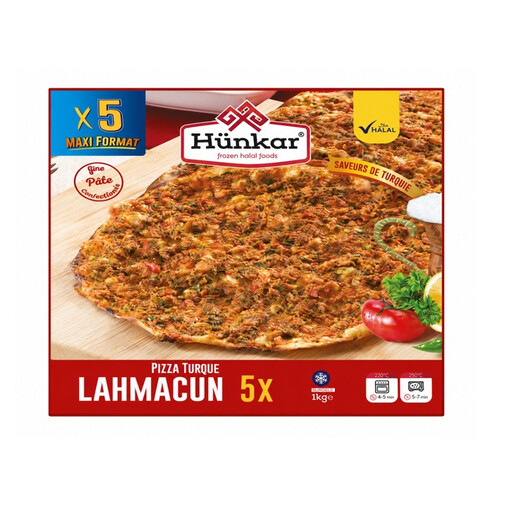 Image unavailable
This pack of five lahmacuns could be useful if you need several pieces in one pack. It weighs 1 000 g in total. Lahmacun is a pizza-like dish rather than a classic pizza, so bear that in mind when stocking up.
 Image unavailable
A vegetable recipe to compare with other pizzas by looking at its nutritional figures, without assuming it’s lower in fat. It weighs 385 g. Check the allergen information for the product you receive too.
Not based solely on a comparison between two nutrition labels. EU rules govern the use of nutrition claims. Compare fat content per 100 g when choosing, but don’t assume a pizza is “reduced fat” unless its labelling supports that claim.
For each product, check its name, ingredients, allergens, nutritional information, net quantity and the date shown. The DGCCRF lists these as details found on prepacked food labels, so a mixed pack needs to be checked recipe by recipe.
Only if you can store all the pizzas according to the stated storage instructions. Before ordering, compare the size of the packs with the space available and plan how to transfer them without breaking the cold chain. The reference temperature for frozen products is −18 °C.
No. Where you buy them and how many you cook don’t determine their fat content. For a community group or catering service, ask for the nutritional information, allergen details and cooking instructions for the exact product, then check that it suits your storage space and oven.