Two people who want to work out their protein intake
You want to know how much protein is in the portion each person will eat, rather than relying on the value given for the whole pizza.


When choosing a frozen pizza for two and protein matters, work out how much each person will actually eat. Compare the values per 100 g, then calculate them for the weight of each portion. One large pizza to share and two individual pizzas won’t necessarily provide the same portions. Check the saturated fat, salt and cooking instructions too before deciding.
You want to know how much protein is in the portion each person will eat, rather than relying on the value given for the whole pizza.
You compare protein while also keeping an eye on the energy, saturated fat and salt in your portions.
You need to check that the pizza is suitable for your cooking appliance, and look at the ingredients and allergens for the specific recipe.
Decide whether you’ll share one pizza or have an individual pizza each. The nutrition information per 100 g then lets you compare recipes on a like-for-like basis, as the DGCCRF explains. The amount you actually eat determines the values for each portion.
| What to consider | What to check | Who is this for? |
|---|---|---|
| Protein per portion | Check the protein per 100 g and the weight of the amount each person will eat. | If I’m sharing a pizza, I want to work out the protein in my portion, not the whole pack. Around 36% of the consumers concerned would put this calculation first. |
| Overall nutritional profile | Compare the energy, fat (including saturated fat) and salt per 100 g, then per portion. | A recipe might appeal to me for its protein, but I also want to assess the rest of my meal. Around 29% of the consumers concerned would make this complete check a priority. |
| Format and cooking | Check the weight, how it’s intended to be shared and the instructions for your appliance. | We want to know whether one pizza is easy to share or whether two individual pizzas are better suited to how we’ll prepare them. Around 21% of the consumers concerned would put the format and cooking instructions first. |
| Ingredients and allergens | Read the ingredients list and allergen information for the exact product, including any warnings about possible traces. | If an ingredient is a problem for one of us, its presence matters more than the protein content. Around 14% of the consumers concerned would make this their first consideration. |
Pizza weights vary, so the total per pack isn’t enough on its own to compare recipes or work out how much each person will eat.
First compare the values per 100 g, then calculate them for your actual portion.
Protein content alone doesn’t tell you everything about a pizza’s nutritional profile.
Also check the saturated fat, salt and energy for the amount you plan to eat.
The pack weight or the stated number of servings doesn’t determine how much each person will actually have.
Decide how you’ll share it before calculating the nutrition values for each person.
Ingredients, allergens and cooking instructions vary by recipe.
Check the packaging again before cooking, and follow its cooking and storage instructions. Carrefour’s product page for the Buitoni Air Fryer Salami pizza says not to refreeze the product after defrosting.
These examples of ranges and formats can help guide your comparison. The values for one recipe don’t apply to other pizzas from the same brand.
Carrefour features Buitoni Air Fryer pizzas in individual portions, including the 195 g Salami.
The Ristorante and Suprema ranges include frozen pizzas with different recipes.
The range includes a 440 g frozen smoked salmon pizza, featured on a Carrefour product page.
E.Leclerc’s Turini range includes a 500 g three-cheese pizza to share, as well as other formats.
Auchan features a 200 g frozen four-cheese pizza in an individual portion.
These pizzas come in formats to share or divide between two people. Their weight and recipe can help you make a comparison. Check the nutrition information for each product to work out the protein in your portions.
 Image unavailable
If you’re sharing this pizza, decide how large each portion will be before calculating the nutrition values. The pack weighs 480 g; check the cooking temperature on the packaging.
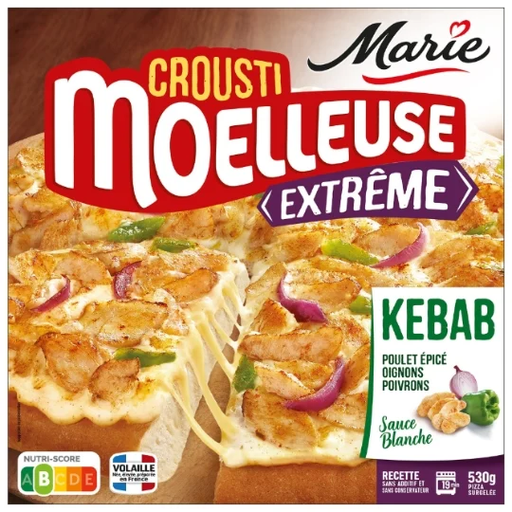 Image unavailable
If you’re sharing this pizza, calculate the values for each portion based on the amount served. The pack weighs 530 g; check the cooking method and time on the packaging.
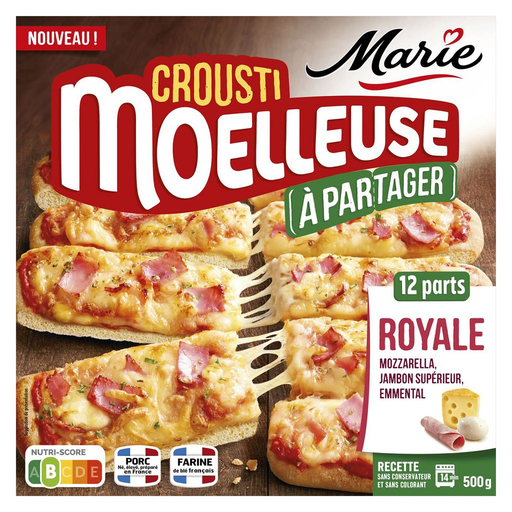 Image unavailable
This sharing format lets you divide the pizza into two portions to suit how much each person wants. The pack weighs 500 g; check the appliance and cooking time specified on the packaging.
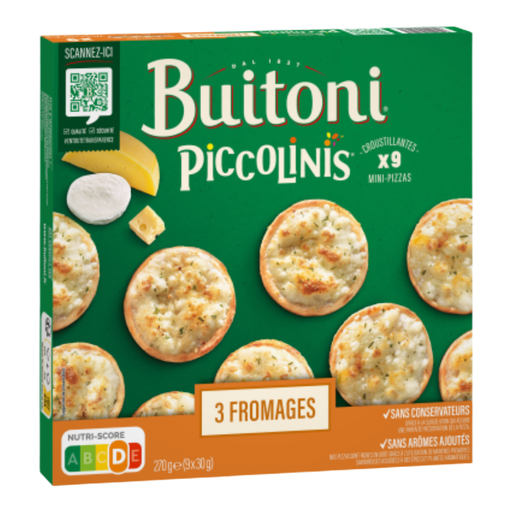 Image unavailable
Mini pizzas make it easy to divide them up, but the pack won’t necessarily split into two equal portions. Count how many each person has and check the cooking method on the packaging.
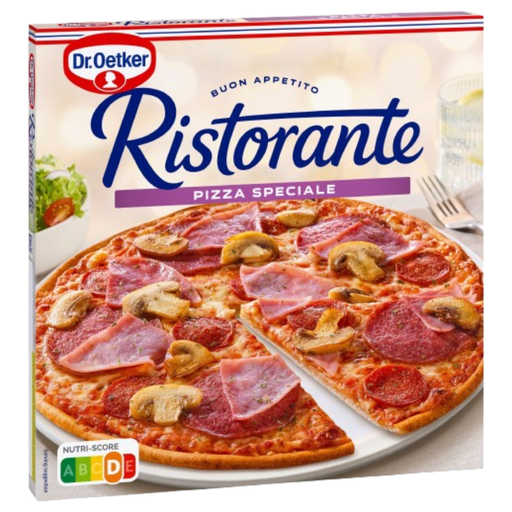 Image unavailable
If you’re sharing it, work out each person’s portion rather than assuming the pack is intended for two. The pizza weighs 345 g; check the cooking time and temperature on the packaging.
Compare the protein per 100 g, then calculate the amount for the portion each person will eat. The DGCCRF explains that displaying nutrition information per 100 g makes it easier to compare prepacked foods. The value per pack answers a different question.
No: its weight doesn’t determine how you share it. Check the portions stated on the packaging, then work out the nutrition values based on how much each person actually plans to eat.
No: also check the energy, saturated fat and salt for the portion you plan to eat. Auchan’s product page for the Dr. Oetker Suprema Cinque Formaggi lists 43 g of protein for the whole 424 g pizza; that total alone doesn’t tell you everything about each person’s meal.
Read the ingredients and allergen information on the packaging for the exact recipe. Don’t rely on information for another pizza from the same brand. The DGCCRF reminds shoppers that allergenic ingredients must be clearly highlighted on the label.
No: to find out how much protein is in your portion, use the nutrition information and the weight you’ll actually eat. Also check the salt and saturated fat if they matter to your choice.