To eat a frozen meal on the train, choose a portion you can prepare before setting off and transport appropriately. Don’t rely on there being a microwave on board. If you can’t arrange cooking and storage, check the catering options on your train instead. The recipe, packaging instructions and portion size matter more than the word ‘premium’.
Who is this option for?
Solo traveller preparing a meal before setting off
You can cook your meal before boarding and are looking for an individual portion rather than a sharing size. Picard, Carrefour, E.Leclerc and Auchan list examples of individual trays. Check the recipe and instructions for each product.
Traveller who hasn’t planned to reheat food
You can’t assume there’ll be a microwave on the train. Before deciding against preparing another meal for your journey, check the catering options for your route on SNCF Connect.
Traveller who pays attention to ingredients and portion size
You want to know what ingredients and allergens a meal contains, and how much you’ll be taking with you. Don’t judge a meal’s quality by the name of its range.
What should you check?
First decide where you’ll prepare the meal and how you’ll keep it stored before cooking. Then choose the recipe and portion size.
Frozen meal prepared before setting off
Worth considering if: you have the equipment needed to cook the product according to its packaging instructions before boarding.
Bear in mind: you’ll need to keep the product frozen until you prepare it, then transport the prepared meal appropriately.
Catering on the train
Worth considering if: you can’t arrange to prepare or transport a frozen meal and suitable catering is available on your journey.
Check: according to SNCF Connect, catering services and arrangements vary by train and route.
| What to consider |
What to check |
Who it matters to |
| Keeping it cold |
Read the storage instructions and plan to use an insulated bag or cool box to transport the product before preparing it, as advised by the DGCCRF. |
If I buy my meal before heading to the train, I want to be able to store it correctly until I cook it. Around 36% of consumers would make this their top priority. |
| Cooking before setting off |
Check the cooking method and whether you can prepare the meal fully before boarding. Don’t assume a microwave will be available on board. |
I need to be able to finish preparing my meal at home before I leave, without relying on equipment on the train. This would be the top priority for around 29% of consumers. |
| Recipe and ingredients |
Check the ingredients list, allergen information and nutritional details for the product you’re considering, rather than relying on the name of its range. |
When I compare two recipes, I want to know what they contain before choosing the one that suits me. Around 21% of consumers would put this check first. |
| How much to take |
Compare the net weight and stated number of portions, and plan what you’ll do with any leftovers. |
When travelling alone, I prefer an amount I can eat without having to store an opened portion. Nearly 14% of consumers would prioritise this aspect. |
Mistakes to avoid
-
Relying on there being a microwave on the train
A meal labelled as suitable for microwave cooking must be prepared according to its instructions. SNCF Connect describes catering services on board, but doesn’t say that passengers have access to a microwave.
Cook your meal before setting off, or choose food that’s suitable for your journey.
-
Overlooking how to transport frozen food
A journey that seems short still requires you to follow the storage instructions. The DGCCRF recommends putting frozen food in an insulated bag and keeping transport time to a minimum.
Buy the product last and follow the storage temperature shown on the packaging.
-
Choosing a large pack when travelling alone
A sharing-size meal can be bulky and leave you with leftovers that are difficult to store during your journey.
Check the quantity and number of portions before choosing a product to eat on the train.
-
Assuming ‘premium’ means the recipe is suitable
The name of a range alone doesn’t tell you the ingredients, allergens or cooking instructions for a specific product.
Read the label on the product you’re considering and focus on the criteria that matter for your meal.
Retailers to compare for frozen meals
Picard
Picard lists individual meals designed to be reheated in a microwave, including products in its Formule Express range.
- The preparation instructions can help you identify products you could cook before setting off.
- A ‘microwave’ label doesn’t mean you’ll have access to an appliance on the train.
Carrefour
Carrefour offers individual ready meals as well as sharing sizes.
- Its product pages include, among others, 300 g Carrefour Classic’ trays and 350 g Carrefour Sensation trays.
- The range name alone isn’t enough to judge the recipe. Check the product available and its label.
E.Leclerc
E.Leclerc lists individual Côté Table meals, including a 300 g beef bourguignon tray.
- These sizes make it easy to compare recipes intended for one person.
- Check that your chosen recipe is available in your store and read its preparation instructions.
Auchan
Auchan’s individual meals section includes products from its own range and other brands.
- One product, chicken and mushroom penne, is listed as a 400 g portion.
- Check the recipe, allergens and cooking method for the product you actually choose.
Lidl
Lidl lists frozen ready meals in offers where the products available can change.
- The range may offer other recipes to consider before your journey.
- Don’t rely on a specific product being available without checking its stock and instructions.
ALDI
ALDI has a frozen food section that includes ready meals.
- You can look for an individual portion and check its recipe.
- Check that your chosen product is frozen, and read its cooking method and storage instructions.
Joybuy products to prepare before setting off
These 300 g products are ravioli or a pancake to prepare before your journey, not meals advertised as ready to eat on the train. Check the cooking and storage instructions for each product, then consider how you’ll transport the prepared meal.
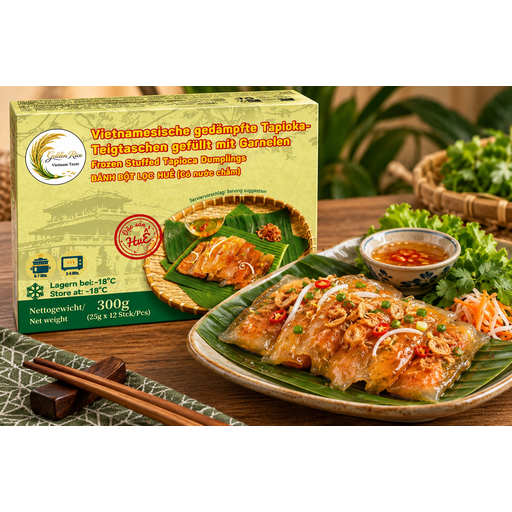 Image unavailable
Golden Rice prawn tapioca dumplings, 300 g
Worth considering if you’d like to prepare dumplings before setting off rather than reheat a meal on the train. The product name indicates that they’re steamed and come in a 300 g pack. Check the cooking instructions, allergens and how to transport them after cooking.
View on Joybuy
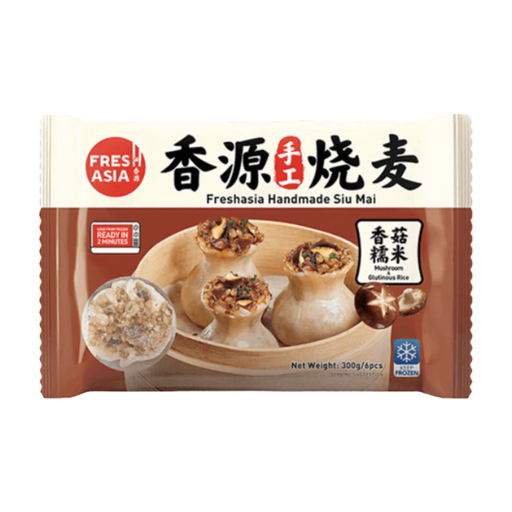 Image unavailable
FRESHASIA Handmade Mushroom and Sticky Rice Siu Mai, 300 g
Worth considering if you can cook the siu mai before boarding. The pack is 300 g; follow the instructions to cook them thoroughly and check the ingredients list and how to transport them once prepared.
View on Joybuy
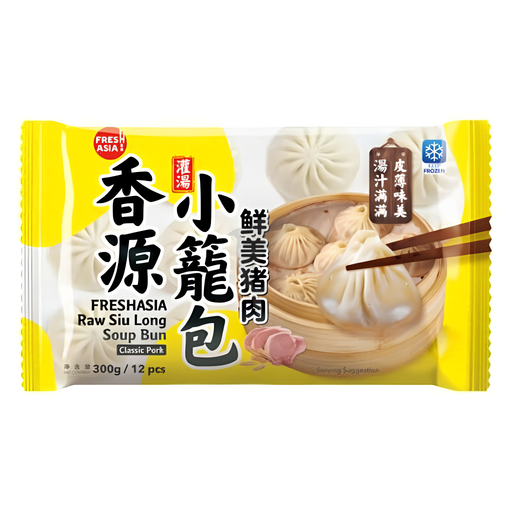 Image unavailable
FRESHASIA Pork Soup-Filled Xiao Long Bao, 300 g
These pork-filled dumplings are an option to consider if you like the recipe and can cook them before setting off. The pack is listed as 300 g. Follow the cooking instructions and check how to transport the prepared meal.
View on Joybuy
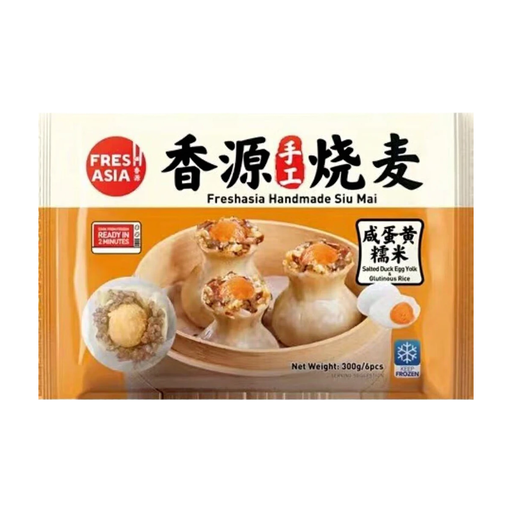 Image unavailable
FRESHASIA Handmade Siu Mai with Salted Duck Egg Yolk and Sticky Rice, 300 g
This 300 g siu mai recipe is worth considering if you can cook it fully before your journey. Check the ingredients and allergens on the packaging, and make sure you can transport it appropriately after cooking.
View on Joybuy
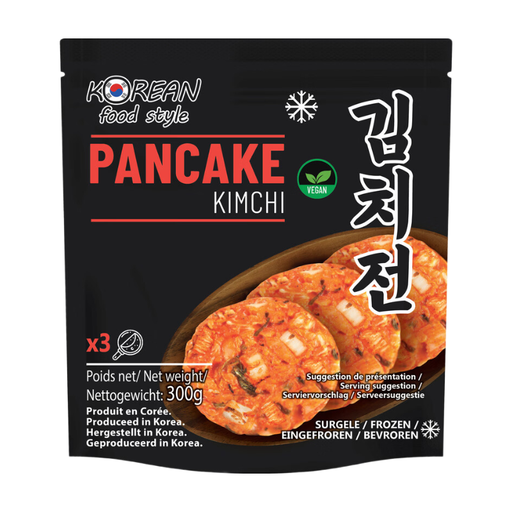 Image unavailable
Korean Food Style Kimchi Pancake, 300 g
This 300 g pancake could be part of a meal prepared before setting off. Don’t assume it will be substantial enough to serve as a main course on its own. Check how to cook it in a pan, its ingredients and how to transport it once prepared.
View on Joybuy
Frequently asked questions
Can I leave a frozen meal to defrost in my bag during the journey?
Don’t plan to defrost it in an ordinary bag as a way of transporting it. The DGCCRF recommends using an insulated bag for frozen food and keeping transport time as short as possible. Follow the storage instructions on the product packaging.
Can I buy a meal on the train if I don’t prepare one before setting off?
Catering may be available, depending on your train and route. SNCF Connect describes options such as hot or cold meals and, depending on the service, pre-ordering. Check what’s available for your journey before relying on it.
How should I choose between two meals described as ‘premium’?
Compare the specific products rather than the names of their ranges: net weight, stated portion size, ingredients, allergens and cooking instructions. For a meal on the train, also check that you can prepare and transport your chosen product appropriately.


