What should you look for?
A tray labelled ‘1 portion’ makes it easier to prepare a meal without leftovers, but you should still check its weight and recipe. With a larger format, you’ll need to plan how to divide the meal and store it.
| What to check |
Look for |
Who it’s for |
| Portion and weight |
The ‘1 portion’ label and net weight. Depending on the recipe, individual meals from the retailers mentioned range from around 280 to 450 g. |
I want to open a tray for one meal without having to store the rest. Around 31% of consumers would prioritise a portion with no leftovers. |
| Meals for the week |
The variety of recipes and how many meals you plan to prepare from each format. |
For my evening meals during the week, I want to alternate between recipes without choosing a large meal to divide up each time. Around 25% of consumers would prioritise this approach to meal planning. |
| Ingredients |
The ingredients list, highlighted allergens and nutritional values per 100 g. |
Before choosing a recipe, I need to check its ingredients and nutritional information. These would be priorities for around 25% of consumers. |
| Cooking and storage |
The cooking method, storage instructions and the space available in your freezer. |
I need to be able to prepare my meals using the equipment I have and put my shopping away in the freezer quickly. Around 19% of consumers would put this convenience first. |
A Joybuy product to consider
This 240 g frozen cooked chicken could be an option for an evening meal during the week that you can heat up. Before choosing it as a meal for one, check the number of portions and the cooking instructions.
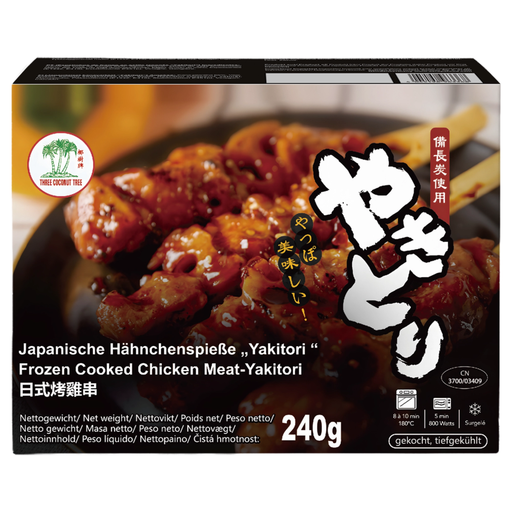 Image unavailable
TCT, frozen cooked Yakitori chicken, 240 g
For an evening meal during the week that you can heat up, check whether 240 g is the right amount for you and read the cooking instructions before buying.
View on Joybuy
Frequently asked questions
How can you tell if a frozen meal is suitable for one?
Look for a label such as ‘1 portion’, then check the net weight and consider how the meal fits into your plans. The individual meals offered by Picard, E.Leclerc and Auchan vary depending on the recipe; ‘individual’ doesn’t mean one set amount.
What should you compare on the labels of two frozen meals?
Compare the nutritional values per 100 g for similar types of meal, then consider how much you plan to eat. The DGCCRF explains that nutritional information for pre-packed foods is given per 100 g or 100 ml. This lets you compare energy, fat, sugars, protein and salt on the same basis.
How can you check the allergens in a frozen meal?
Read the ingredients list for the specific product and look for highlighted allergens, as the DGCCRF advises for pre-packed foods. Don’t try to work out what’s in a meal from a picture, its name or the ingredients of another version.
How should you bring frozen meals home after shopping?
Pick them up at the end of your shop, keep the journey home as short as possible and put them in the freezer as soon as you can. The DGCCRF recommends using an insulated bag to help keep food cold during transport.


