
Livraison le jour même ou le lendemain

Qualité garantie

Débloquez vos offres de bienvenue: Livraison GRATUITE | Jusqu'à -80 % | 30 jours d'essai gratuits à JoyPlus
Téléchargez l'application
Frozen chicken nuggets meet a very practical need: preparing a family dinner, a TV supper or nibbles quickly, without having to defrost them first. However, not all products are equal. The amount of meat, the proportion of coating, allergens and cooking method can all make a noticeable difference to the result on your plate.
Before filling your freezer, there are three pitfalls to watch out for:
The ingredients list usually shows the proportion of chicken preparation and coating. This is a useful way to compare breaded chicken nuggets, bites and tenders more objectively.
For guidance, the available product information states:
A high proportion of chicken alone does not guarantee a recipe you will enjoy. Texture, coating thickness and seasoning also play a part. For children, a simple, mildly seasoned recipe is often easier to get them to accept. For nibbles, small bites are generally easier to serve and eat.
The weight of the bag affects the price per portion, the space available in your freezer and how often you plan to eat them.
Frozen products should be stored at -18 °C or below, in line with the instructions on the packaging. Once defrosted, they must never be refrozen. This applies equally to ready-to-cook chicken nuggets, frozen chicken tenders and karaage.
Wheat and gluten are common in coatings. Some recipes also contain soya, milk, mustard, celery, fish or sulphites. If you have an allergy or intolerance, checking the label is essential.
Also check whether the product is suitable for cooking in the oven, frying pan or deep-fat fryer, or whether several methods are recommended. Oven-cook chicken nuggets minimise the need to handle oil, while a frying pan or deep-fat fryer produces a different type of coating. Whichever method you choose, follow the manufacturer’s instructions and check that the centre of the nuggets is thoroughly hot before serving.
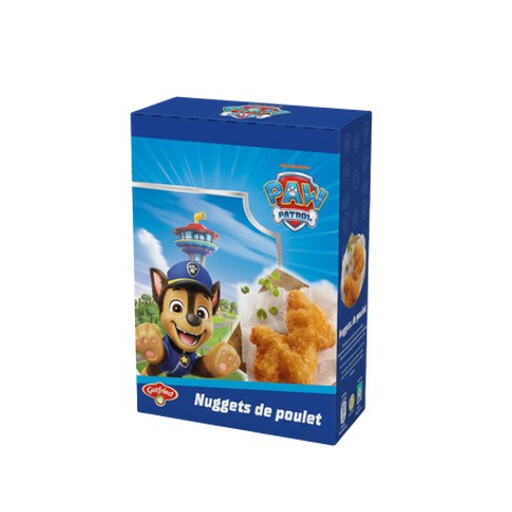
Why this product suits this profile : Its 300 g size makes it a lower-risk choice when trying the brand for the first time or looking for a quick meal for a child.
The clearly stated weight means you do not have to buy a large bag before knowing whether the recipe suits the whole family.
The product information states that it contains 76% chicken meat and 16 g of protein per 100 g.
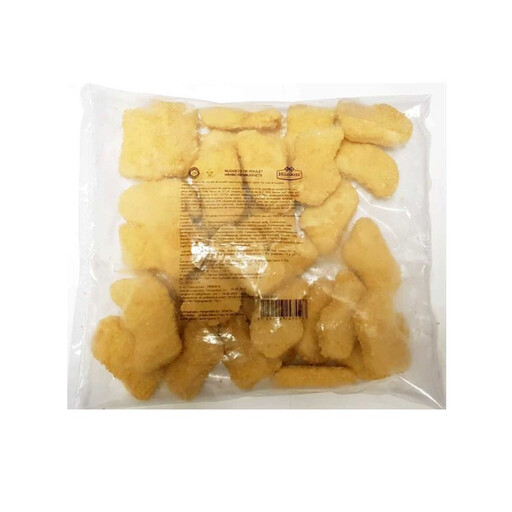
Why this product suits this profile : This product is presented as halal and comes in a medium-sized pack, suitable for family meals as well as snacking.
The product information details the chicken preparation, coating and any possible traces of soya, milk and celery.
650 g bag, storage at -18 °C or below and preparation suitable for everyday use.
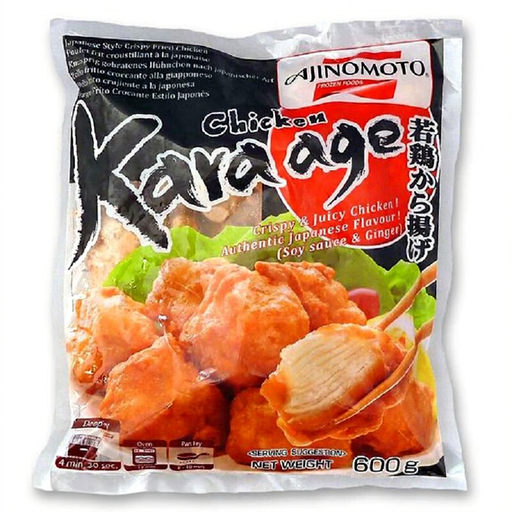
Why this product suits this profile : This recipe is aimed at fans of Japanese flavours, with ginger, garlic, soya sauce and spices.
The product information clearly identifies the karaage style and highlights the presence of gluten and soya.
The recipe contains 61% chicken and can be stored in the freezer at -18 °C.
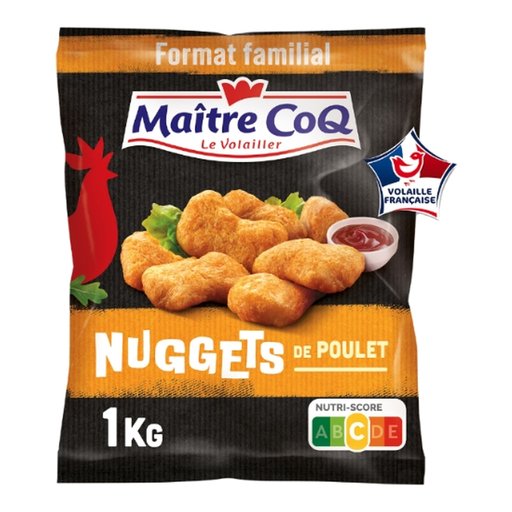
Why this product suits this profile : Its large pack size is suitable for families and regular meals, with preparation in the oven or deep-fat fryer.
The ingredients specify the presence of chicken and turkey, as well as allergens such as soya, wheat, mustard and celery.
The 1 kg bag is pre-cooked and contains 12 g of protein per 100 g according to the information provided.
For more variety at mealtimes, the 800 g HÜNKAR frozen chicken tenders are presented as halal and contain 70% chicken preparation. Their coating combines breadcrumbs and cornflakes. Fans of Asian cuisine can also try Bibigo Sobaba bites with soya and honey sauce, or MENGFU frozen Japanese karaage, whose recipe contains 64% chicken, ginger, soya sauce and rice vinegar.
The small 300 g packs of MENGFU Asian Crispy Chicken are ideal for snacking and dipping sauces. For another halal option, the 400 g Oriental Viandes turkey nuggets contain 75% prepared halal chicken breast meat.
We have put together a complete, real-time updated list of products that meet these strict selection criteria as well as European safety regulations.
Yes, provided the packaging says this is suitable. In most cases, place the nuggets while still frozen on a baking tray without overlapping them, then follow the temperature and cooking time specified by the manufacturer. The result will depend partly on the thickness and amount of coating. Check that the pieces are thoroughly hot in the centre before serving.
They should be kept at -18 °C or below, until the date shown on the packaging. Avoid repeated changes in temperature and never refreeze a defrosted product. If the bag has been opened, reseal it carefully to help prevent drying out and freezer burn.
Nuggets can be served with vegetables, a salad, potatoes or a sauce on the side. For children, serve suitable portions and check the ingredients list in case of allergies. Spicy or sweet-and-savoury recipes, such as bites with soya and honey sauce, are better suited to a themed meal or an aperitif.