You’re keeping an eye on your fat intake
You want to prepare a hot meal while deciding how much oil, butter or cream to add. You can compare plain vegetables and seasoned recipes using their nutritional values per 100 g and their ingredients.


To keep control of the fat in a warming winter meal, choose plain frozen vegetables and decide for yourself what to add during cooking. A ready-seasoned vegetable mix takes less preparation, but its nutritional content varies by recipe. Check the ‘fat’ figure per 100 g and the ingredients on the specific pack you’re considering.
You want to prepare a hot meal while deciding how much oil, butter or cream to add. You can compare plain vegetables and seasoned recipes using their nutritional values per 100 g and their ingredients.
You’re looking for vegetables that are easy to prepare for a winter dinner. Pre-cut packs and vegetable mixes can mean fewer steps in the kitchen; check the cooking instructions and seasoning before you choose.
You’d prefer a pack you can divide between different dishes. Pack weight and the number of portions matter, but plain vegetables, mash and a gratin don’t all serve the same purpose in a meal.
For a winter meal, first decide whether you want vegetables to season yourself or a ready-prepared recipe. Then compare products within the format you’ve chosen, rather than assuming a vegetable mix and a pack of plain vegetables have the same nutritional content.
Choose these if: you want to decide how much fat to add to a hot side dish.
Bear in mind: you’ll need to add seasoning and any other ingredients for your dish.
Choose these if: quicker preparation matters to you and you’re happy with the recipe’s ingredients.
Check: seasoning and ingredients vary. According to Carrefour’s product information, two Carrefour Extra products contain 2,7 g and 4,6 g of fat per 100 g respectively; these figures don’t apply to other vegetable mixes.
Choose these if: you’re looking for a dish that combines vegetables with other ingredients.
Check: there’s more to the ingredients than just vegetables. Auchan Bio’s tagine-style vegetable mix, for example, lists 2,2 % olive oil.
| What to consider | What to check | Who is this for? |
|---|---|---|
| Fat | Compare the fat per 100 g and look for oil, cream or cheese in the ingredients list. | If I want to decide for myself what to add to a hot meal, the ingredients in the pack matter more than its seasoning. Around 46 % of consumers would put this control over fat intake first. |
| Preparation | Check the cooking instructions and what ingredients have already been added to the recipe. | When dinner needs to be ready with minimal preparation, I look for a format that’s easy to cook without losing sight of what’s in it. Speed would be the main priority for around 27 % of consumers. |
| Pack format | Check the net weight, number of portions and exact product type: plain vegetables, a mix, mash or gratin. | To divide a pack between several meals, I need a suitable size and a versatile product. Around 27 % of consumers would prioritise organising portions in the freezer. |
A prepared recipe may already contain oil. Carrefour’s product information lists 2,7 g of fat per 100 g for Carrefour Extra grilled vegetable mix and 4,6 g for Carrefour Extra summer vegetables.
Check the ingredients and the value per 100 g for the product you’ve chosen, even if it’s in the vegetable aisle.
Different pack weights and portion numbers mean you can’t compare their fat content directly.
Start with the nutritional values per 100 g, then take into account how much you’ll actually serve.
A gratin, cream-based mash and a pack of plain vegetables won’t necessarily contain the same ingredients or need the same preparation.
First decide what kind of dish you want, then compare products with similar ingredients and formats.
The journey from the freezer aisle to your freezer is part of keeping the product properly stored.
Anses advises buying frozen products at the end of your shop. Plan to keep them cold on the way home and follow the storage instructions on the packaging.
Bonduelle offers vegetables to cook, mixes and more elaborate recipes across a range that extends beyond frozen products.
The Carrefour Classic' and Carrefour Extra ranges include frozen vegetables and vegetable mixes made to different recipes.
The range includes plain vegetables, mixes, seasoned vegetable dishes, mash and gratins.
Aldi offers frozen vegetables under its own-label brands, including plain vegetables and prepared dishes.
E.Leclerc DRIVE lists frozen vegetables among the products in its frozen food section.
These packs of plain vegetables can be a starting point for a side dish, soup or winter stew. Add the other ingredients and seasoning to suit the dish you want to make.
 Image unavailable
Worth considering if you’d prefer to season green beans yourself for a hot side dish.
750 g pack. Check the cooking instructions and nutritional information on the packaging before preparing your portion.
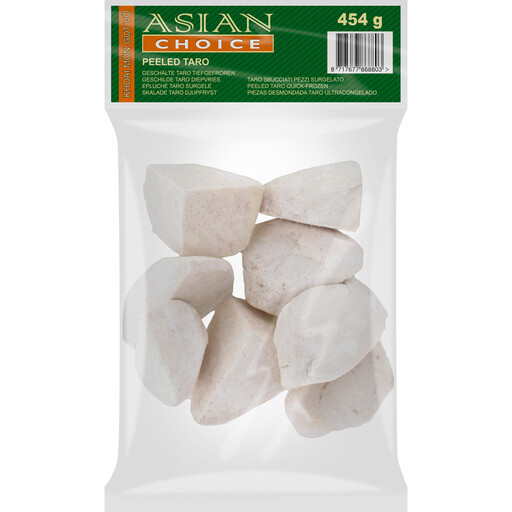 Image unavailable
Consider this if you’d like to prepare a hot dish with taro yourself rather than use a seasoned vegetable mix.
454 g pack. Check the preparation instructions and plan for the other ingredients you’ll need.
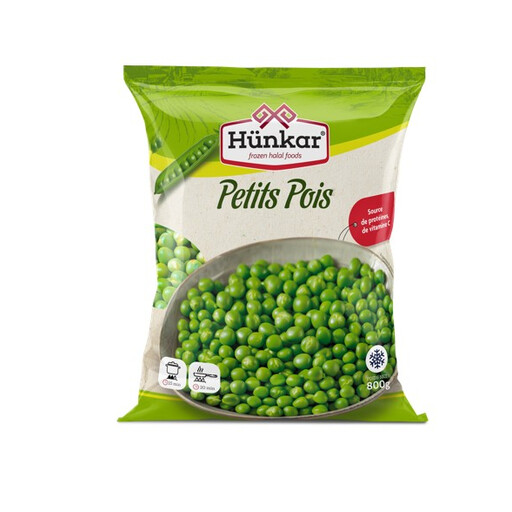 Image unavailable
Worth considering if you want to divide peas between several hot dishes and choose the seasoning yourself.
800 g pack. Check the cooking time on the packaging to help plan your meal.
Compare the ‘fat’ figure per 100 g, then read the ingredients for each product. The DGCCRF states that nutritional information is given per 100 g or 100 ml. This gives you a like-for-like basis for comparing different pack sizes before taking the portion you’ll serve into account.
No. The fat content depends on the recipe and the ingredients added. According to Carrefour’s product information, Carrefour Extra grilled vegetable mix contains 2,7 g of fat per 100 g, compared with 4,6 g for Carrefour Extra summer vegetables. Check the specific pack rather than relying on the word ‘mix’ alone.
No. If Nutri-Score appears on the packaging, use it as extra information, not as the only answer to your question about fat content. The DGCCRF notes that displaying it is voluntary, so check the values per 100 g and the ingredients list too.
Pick them up at the end of your shop, following Anses advice for frozen and chilled products. Keep them cold on the way home and follow the storage instructions on the pack.