Busy cooks who like to put their own meals together
A plain vegetable or simple mix lets you choose the other ingredients and seasoning yourself. To cut down on chopping, ready-prepared frozen onions can also make a useful base for a recipe.


To add variety to dinner without filling your freezer with lots of bags, pair a plain vegetable with a ready-prepared mix if you regularly use both. Two plain vegetables give you more freedom to put recipes together; two prepared dishes save time, but leave you less control over what goes into them. Before choosing, check how much freezer space you have, how much you’ll use and the cooking instructions.
A plain vegetable or simple mix lets you choose the other ingredients and seasoning yourself. To cut down on chopping, ready-prepared frozen onions can also make a useful base for a recipe.
Bags weighing 750 g to 1 kg can stretch across several evenings, as long as you have different uses for them and will actually get through the contents.
Julienne-cut vegetables, chopped mixes and vegetable pans save you from combining several vegetables yourself. Check the ingredients and cooking instructions for each separately: a prepared vegetable pan is not the same as a bag of plain vegetables.
When choosing two bags for weeknight dinners, start with the meals you actually cook, then compare how much preparation they need, their size and what’s in them.
| Criteria | What to check | Who it matters to |
|---|---|---|
| Preparation time | Whether the vegetables are already chopped and the cooking method shown on each bag. | If dinner needs to involve as few steps as possible, I’d rather use a ready-chopped mix than prepare several vegetables separately. Around 36% of consumers would make saving time their priority. |
| Versatility of your freezer stock | How you could use each bag and how much freezer space you have. | If my meals vary from one evening to the next, I want to be able to use a plain vegetable in different recipes and keep a second bag for another meal. This flexibility would be a priority for around 29% of consumers. |
| Quantity you’ll use | Net weight, the number of portions and how often your household cooks these vegetables. | A large bag could sit in the freezer for a long time if I only use that vegetable now and then. Around 21% of consumers would prioritise choosing a quantity that suits their meals. |
| Ingredients | The ingredients list, any allergens listed and whether the product contains sauce or other additions. | If I want to choose the seasoning myself, I check whether I’m buying plain vegetables or a prepared dish before deciding. Around 14% of consumers would put control over ingredients first. |
A prepared dish may contain ingredients other than vegetables, while a plain bag gives you more choice over how to put your meal together.
Read the ingredients list and decide whether you want a base to season yourself or a ready-prepared side.
Two generous-sized bags won’t make your freezer stock more practical if you rarely cook those vegetables or the bags take up too much space.
Choose a second product that suits a meal you make often, and check that both bags will fit in your freezer.
ANSES warns that a break in the cold chain can encourage bacteria to grow.
Pick up frozen food at the end of your shop, carry it in an insulated bag and put it away as soon as you get home.
The brand offers plain vegetables and frozen mixes, among other products.
The ranges distinguish between plain vegetables and prepared or pan-fried vegetables.
The products featured include wok or soup mixes, as well as a pan-fried vegetable mix.
The range includes single vegetables, mixes, vegetable pans, purées and gratins.
The range featured includes plain vegetables, mixes and prepared frozen dishes.
To stock up at Lidl, check the frozen vegetables available at the shop where you do your shopping.
These products offer a few ways to stock your freezer: plain vegetables to add to recipes, a chopped mix and prepared sides. Sliced onions are a cooking ingredient rather than a side dish in their own right.
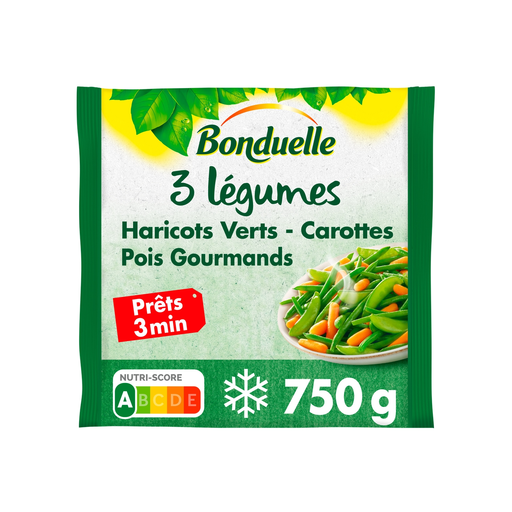 Image unavailable
This 750 g bag combines several vegetables for a side that needs no chopping beforehand. Check the cooking instructions, then plan the rest of dinner to suit your recipe.
 Image unavailable
This 750 g bag of frozen green beans is a good choice if you want to decide on the seasoning and other ingredients yourself. Follow the cooking and storage instructions on the bag.
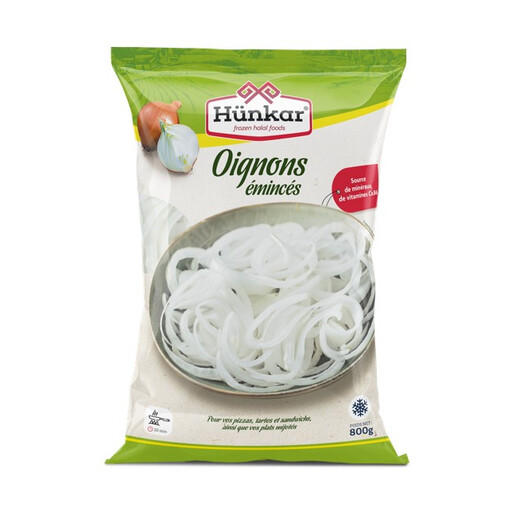 Image unavailable
These ready-sliced frozen onions come in an 800 g bag and can be used as an ingredient in soup or a casserole. Check the cooking instructions before adding them to your recipe.
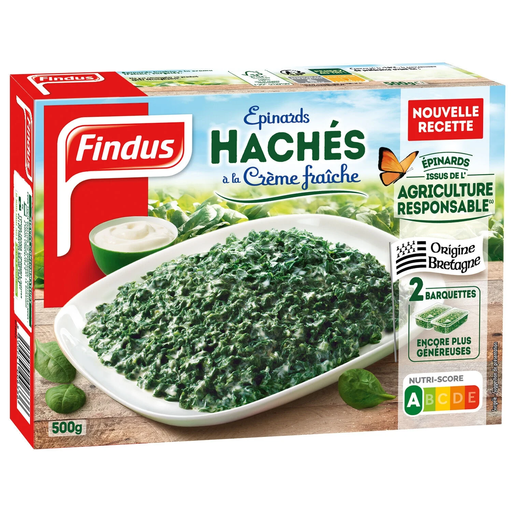 Image unavailable
This 500 g bag contains chopped spinach prepared with cream, rather than a plain vegetable to season yourself. Check the ingredients, allergens and cooking instructions before choosing it.
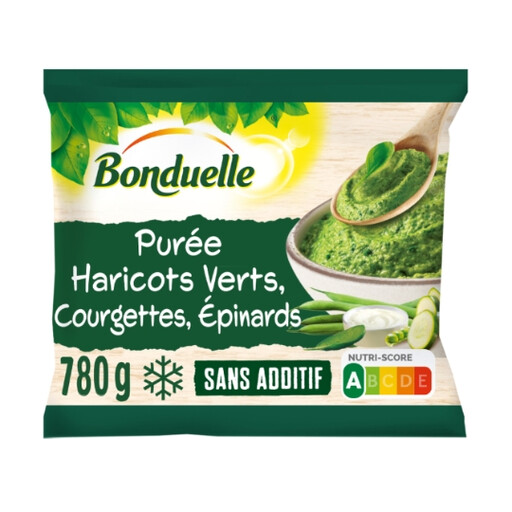 Image unavailable
This 780 g frozen purée is a prepared side, rather than a bag of plain vegetables. If preparation time is a key factor in your choice, check the cooking instructions for this product.
Not if you need both a versatile base and a side that takes less effort to put together: a plain vegetable and a chopped mix serve different purposes. You can still choose two identical bags if you use that vegetable often; just make sure you have enough room and will use the quantity.
Pick them up at the end of your shop and carry them in an insulated bag. ANSES also recommends keeping the journey home as short as possible before putting them in the freezer, to maintain the cold chain.
The instructions for Bonduelle’s 750 g extra-fine green beans say not to refreeze them after thawing. For any other bag, follow the storage instructions on the packaging.
Not necessarily: a bag may be an ingredient or a side rather than a meal in its own right. In a Manger Bouger recipe, frozen julienne vegetables are served with noodles and a sauce, among other ingredients. Choose the rest to suit the meal you want to make.