First, choose a texture your child can eat, then compare the ingredients, allergens and salt content of the specific product: the word ‘premium’ doesn’t answer these questions. Plain vegetables let you decide how to prepare and season them. Small portions of purée can be more convenient during weaning, while prepared recipes call for a careful read of the label.
Who is this for?
Parents starting weaning
You’re looking for a smooth, mashed or finely chopped texture, depending on what your child can eat, in a quantity that’s easy to adjust. Ameli describes a progression from puréed to mashed foods, followed by small pieces, between 8 months and 3 years. Carrefour also offers Yooji frozen portions designed for weaning.
Parents who want to choose the seasoning
You’d rather start with plain vegetables than a ready-made vegetable medley or gratin. The ingredients list helps you tell these products apart and spot any additions to take into account when planning the meal.
Parents interested in organic produce or portion size
You compare organic certification, stated country of origin, how the vegetables are cut or how easy it is to take out a portion. These features can help guide your choice, but they don’t tell you on their own what texture you’ll be serving or what the specific product contains.
What should you check for dinner?
Plain vegetables to cook
Choose these if: you want to decide how to cook them, their final texture and how to season them.
Bear in mind: you’ll need to cook them, adapt them to your child’s chewing ability and make sure the meal is complete.
Purées and small baby-food portions
Choose these if: a smooth texture or small, adjustable quantities suit your child’s stage of weaning.
Bear in mind: check the age guidance, ingredients and allergens for each product, especially in a selection pack.
Prepared vegetable dishes
Choose these if: the ingredients in a vegetable medley, gratin or prepared purée suit the meal you have planned.
Bear in mind: check for sauces, cream and other added ingredients, as well as the salt content and texture after preparation.
| What to consider |
What to check |
Who is it for? |
| Texture |
Check whether the product is puréed, in pieces or finely chopped, then consider the texture it will have after cooking. Ameli describes a progression through different textures between 8 months and 3 years. |
As my child gradually moves on to pieces, I want to adapt what I serve to their chewing ability. Around 31% of consumers would put this need for the right texture first. |
| Ingredients |
Read the ingredients list and check the allergens and salt per 100 g; ideally, compare products of the same type. |
If I’m preparing the seasoning myself, I want to tell plain vegetables apart from a recipe containing other ingredients. Around 31% of consumers would prioritise control over the ingredients. |
| Organic status and origin |
Check the details given for the specific product, then look at its texture and ingredients too. |
I may prefer an organic product or one with a stated origin, while still wanting to know what’s in the bag. Around 23% of consumers would put this criterion first. |
| Pack size |
Compare the bag’s weight, the stated portion sizes and how easy it is to take out the amount you need. |
For a smaller dinner, I want a pack I can portion without preparing the whole bag. Around 15% of consumers would put ease of portioning first. |
Mistakes to avoid
-
Assuming ‘organic’ or ‘premium’ means it’s suitable for a toddler
These claims don’t tell you what texture to serve, whether other ingredients have been added or how much salt the specific product contains.
First, check the product’s form and label. Then use its organic status or stated origin to choose between products that meet your needs.
-
Serving pieces as they come
Ameli describes a gradual progression through different textures: a floret or slice may not be suitable as it is for every child.
After cooking, blend, mash, chop or cut the vegetables to suit your child’s chewing ability. Don’t rely on their age alone.
-
Overlooking allergens in a selection pack or recipe
A product that appears to be mainly vegetables may also contain other ingredients. The Directorate General for Competition Policy, Consumer Affairs and Fraud Control reminds shoppers that allergens in prepacked foods must be clearly highlighted in the ingredients list.
Check the label on the product you buy, even if you recognise the name or packaging.
Brands and retailers to compare
These suggestions relate to specific ranges or products. Always compare the product you plan to cook rather than assuming what it contains based on the brand name.
Bonduelle
A brand to consider for organic frozen vegetables to cook, rather than a complete baby meal.
- Bonduelle describes its organic frozen vegetables as pre-steamed.
- This information about the cooking process doesn’t tell you what texture will suit your child. Check the specific product and prepare it accordingly.
Carrefour
The retailer offers frozen vegetables to compare, as well as products specifically designed for weaning.
- Carrefour offers a Yooji selection pack with frozen portions of 10 g and 20 g that you can combine to suit the meal.
- The selection also includes foods other than vegetables, so check the ingredients and allergens for the specific product you choose.
Bio Village / E.Leclerc
A range to explore if you’re looking for organic vegetables in a bag to prepare yourself.
- E.Leclerc offers organic sweet potato pieces in a 600 g bag, among other products.
- The cut and pack size don’t tell you what texture you’ll serve. Check the packaging of the product you choose.
Auchan Bio
A range to explore for organic frozen vegetables, including a julienne mix featured by Auchan.
- Auchan’s product listing for this julienne mix states that it is certified FR-BIO-01.
- For a purée or prepared dish, check the ingredients, allergens and salt separately. A listing for a julienne mix doesn’t describe other products in the range.
Vegetables and prepared dishes to explore on Joybuy
This selection includes vegetables to cook and a vegetable purée. For a toddler’s dinner, choose according to the texture you’ll be able to serve, and check the preparation guidance and ingredients on the packaging.
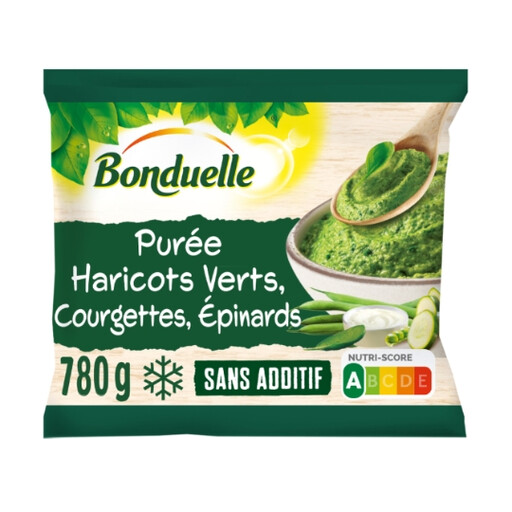 Image unavailable
Bonduelle Green Bean, Courgette and Spinach Purée, 780 g
This purée is worth considering if you’re looking for vegetables in this form rather than in pieces. Check that its texture is right for your child.
This product contains cream and butter, so it contains milk, and may contain celery. Check the allergens and salt on the packaging before adding it to the meal.
View on Joybuy
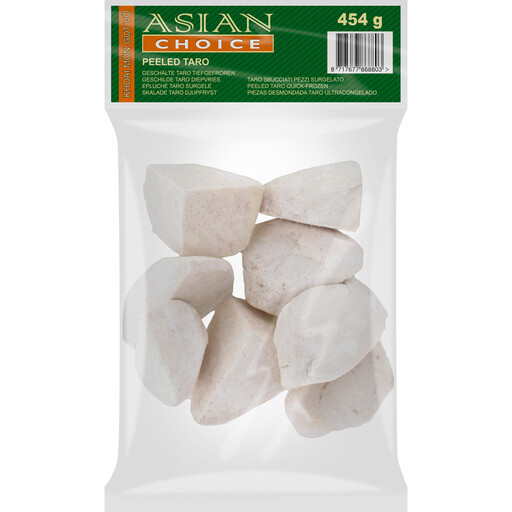 Image unavailable
Asian Choice Peeled Taro, 454 g
This peeled taro is an ingredient to cook if you’d like to decide on the texture you serve.
Check the cooking instructions on the packaging, then adapt the pieces to your child’s chewing ability.
View on Joybuy
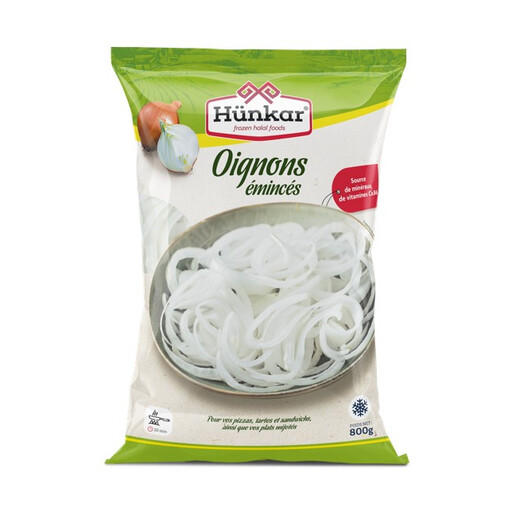 Image unavailable
HÜNKAR Sliced Onions, 800 g
These sliced onions are an ingredient for preparing a dish, not a complete dinner on their own.
Check the cooking instructions on the packaging, and adapt the preparation and texture to the meal you have planned.
View on Joybuy
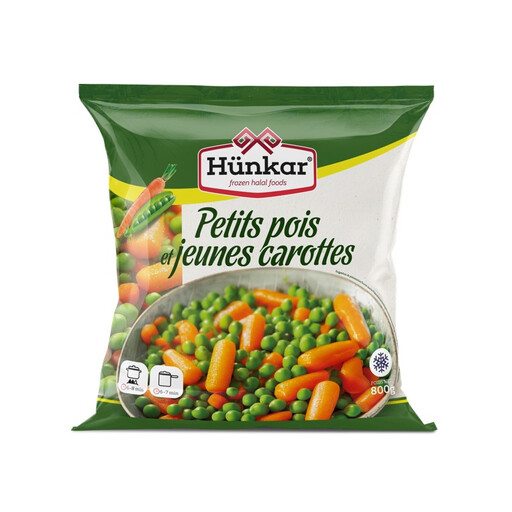 Image unavailable
HÜNKAR Peas and Baby Carrots, 800 g
This two-vegetable mix is worth considering if you’d like to cook it and then adjust the texture of the portion you serve.
Check the cooking instructions and nutritional information on the packaging. Adapt the cooked vegetables to your child’s chewing ability.
View on Joybuy
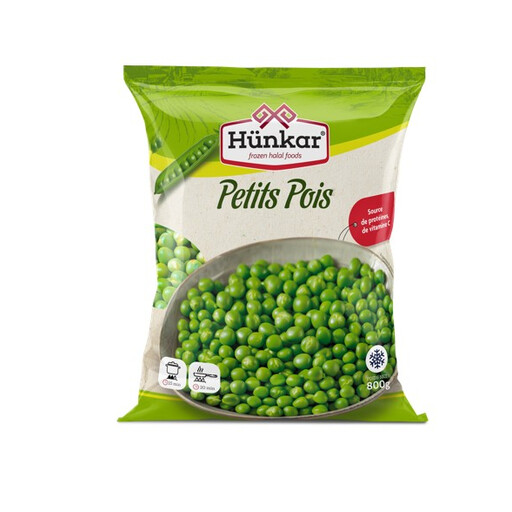 Image unavailable
HÜNKAR Peas, 800 g
These peas are a vegetable to cook if you want to prepare the texture of dinner yourself.
Follow the cooking instructions on the packaging and adapt the cooked portion to what your child can eat.
View on Joybuy
Frequently asked questions
Are ordinary frozen vegetables suitable for a toddler’s dinner?
Yes, as long as you choose a product with ingredients suited to the meal and prepare a texture your child can eat. Ameli describes a gradual progression from puréed to mashed foods, followed by small pieces. Florets or slices may therefore need adapting after cooking.
Is organic or ‘premium’ enough to make your choice?
No. These claims don’t tell you whether the texture, added ingredients or salt content are right for the meal you have planned. Check the label and the form of the product first, then consider the organic or origin details that matter to you.
Do you still need to buy baby purée after your child turns one?
Not necessarily. The choice mainly depends on the texture your child can eat. A small portion of purée can still be convenient, while properly cooked and prepared plain vegetables also let you adjust the texture. Ameli describes a gradual progression towards mashed foods and small pieces.
How can you tell a vegetable medley apart from a simple mix of vegetables?
Read the product name and ingredients list: a prepared recipe may contain a sauce, cream or other additions that aren’t in a plain vegetable mix. Also check the allergens and salt per 100 g before deciding how to include it in dinner.


