Parents preparing several meals
You’re looking for a bag that matches the amount you usually need for dinner, without leaving a large portion unused.


To prepare dinner for your toddler while keeping an eye on your spending, start by comparing plain frozen vegetables in a pack size you’ll actually use. Once cooked, adjust their texture to suit your child’s abilities. If you opt for a prepared purée to save time, check the ingredients before treating it as equivalent to plain vegetables.
You’re looking for a bag that matches the amount you usually need for dinner, without leaving a large portion unused.
Your child is gradually moving from puréed food to mashed food and then small pieces. So the way the vegetables are cut matters just as much as how long they take to prepare.
You want to make dinner simpler while knowing the difference between a bag of plain vegetables and a purée or other prepared dish.
For your toddler’s dinner, first choose between plain vegetables and a prepared recipe. Then check the texture you need and how much you’ll use. Guidance from Manger Bouger and Assurance Maladie describes how textures should progress to suit your child’s abilities.
Choose these if: you want to decide on the texture and the other elements of the meal yourself.
Bear in mind: you’ll need to cook them, then purée, mash or chop them to suit your child’s abilities.
Choose this if: a puréed texture makes dinner easier to prepare.
Check: the exact recipe. The Notre Jardin carrot and pumpkin purée described by E.Leclerc contains cream and salt, among other ingredients, so it isn’t equivalent to a bag of plain vegetables.
| What to consider | What to check | Who this matters to |
|---|---|---|
| Pack size | Net weight and the amount you can store and use safely. | If I’m preparing several dinners, I want the bag to suit the amount we usually eat. Around 33% of consumers prioritise keeping their purchases manageable in this way. |
| Texture | How the vegetables are cut and what preparation they need after cooking, based on your child’s ability to chew. | If my child still eats puréed or mashed food, serving pieces as they are won’t meet their needs. Texture comes first for around 27% of consumers. |
| Ingredients | The ingredients list and nutritional information for the exact product, particularly for a prepared purée. | I want to know whether I’m buying plain vegetables or a recipe with other ingredients. This distinction is a priority for around 20% of consumers. |
| Preparation and quantity | Cooking instructions and a pack size that suits the number of meals planned. | On evenings when I have little time, I look for something that’s easy to prepare in the right texture, without buying more than we’ll use. Around 20% of consumers prioritise this. |
The Notre Jardin carrot and pumpkin purée featured by E.Leclerc also contains potatoes, sweetcorn, crème fraîche, salt and parsley.
Before swapping plain vegetables for a purée, compare the ingredients and salt content per 100 g of the product you’re considering.
A pack designed for several meals is only practical if you have enough freezer space and can maintain the cold chain.
Choose a quantity that suits the meals you have planned, check the bag is in good condition and follow its storage instructions.
According to Assurance Maladie, textures progress gradually from puréed to mashed, then to small pieces. A slice or whole pea may not be suitable for your child’s current stage.
After cooking, purée, mash or chop the vegetables to suit what your child can already eat. If you’re unsure about their progress with solid foods, ask their healthcare professional for advice.
Bonduelle vegetable mixes feature in the frozen food range shown by Auchan.
Carrefour offers plain frozen vegetables under its Carrefour Classic’ and Carrefour Bio ranges.
The range featured by E.Leclerc includes plain vegetables, mixes and prepared dishes.
The range shown by Auchan includes separate categories for vegetables, mixes, purées and frozen gratins.
ALDI offers frozen vegetables under ALL SEASONS, as well as vegetable stir-fries, gratins and purées.
This selection includes vegetables to cook and adapt to the right texture, a vegetable mix and a prepared purée. Choose according to the recipe you want, the amount you’ll use and your child’s abilities, rather than assuming they all meet the same need.
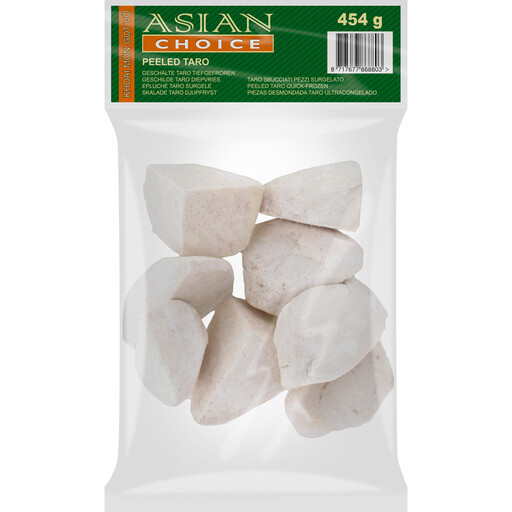 Image unavailable
An option to consider if you’d like to cook a root vegetable and then adapt its texture for your child’s dinner.
454 g bag. Check the cooking instructions on the packaging and prepare it to suit your child’s ability to chew.
 Image unavailable
If you’re serving green beans for dinner, check after cooking whether they need to be mashed or puréed for your child.
750 g bag. Check the label for ingredients, any allergens and preparation instructions.
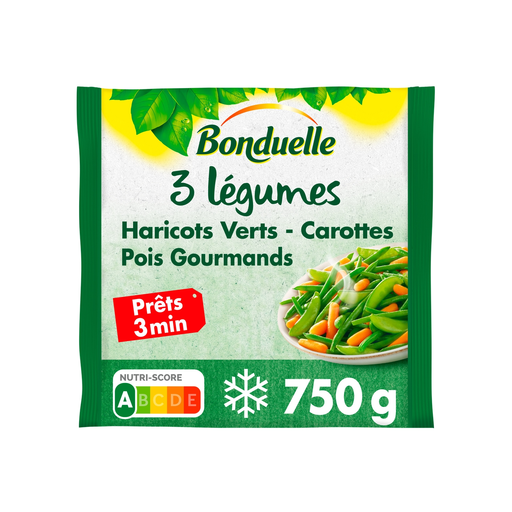 Image unavailable
If you’re serving several vegetables in one meal, be ready to adapt the pieces to suit your child’s abilities.
750 g bag. Check the ingredients list and follow the cooking instructions before adjusting the texture.
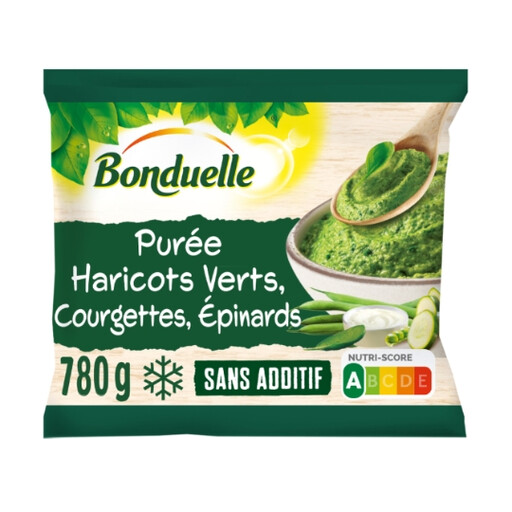 Image unavailable
A purée to consider if this texture suits what your child currently eats.
780 g pack. Before choosing it instead of plain vegetables, check the ingredients, allergens and nutritional information, particularly the salt content.
Yes, as long as you cook them and adapt their texture to suit your child’s abilities. Manger Bouger and Assurance Maladie describe a progression from puréed to mashed food, then small pieces. Follow your child’s current stage of eating, not just the way the vegetables are cut in the bag.
Check the ingredients list to tell the difference. Carrefour states “Carrots* 100%” for one of its organic carrot products, while the Notre Jardin carrot and pumpkin purée featured by E.Leclerc also contains potatoes, sweetcorn, crème fraîche, salt and parsley.
Keep them frozen and follow the storage instructions on the packaging. The DGCCRF notes that a rise in temperature speeds up microbial growth. The product information for Carrefour Classic’ carrots says never to refreeze a thawed product.