Students cooking several portions
If you’re spreading a bag across several dinners, check its net weight and how many portions your recipe will make. A simple mix also lets you choose the seasoning and other ingredients for your meal.


If you’re on a student budget, a bag of plain vegetables or a simple mix is a good starting point when you’re planning to make several portions and season the dish yourself. A prepared recipe may be a better fit if it genuinely makes cooking easier with the equipment you have. Either way, check the net weight, ingredients and allergens.
If you’re spreading a bag across several dinners, check its net weight and how many portions your recipe will make. A simple mix also lets you choose the seasoning and other ingredients for your meal.
How you cook it matters just as much as the recipe. Carrefour says one of its mixes can be cooked without defrosting first, for example. Check the bag’s instructions and the equipment you’ll need before choosing a more elaborate dish.
The ingredients vary between plain vegetables, mixes and recipes with sauce. Read the ingredients and allergen information, then compare the nutritional information per 100 g if it affects your choice.
If you’re on a student budget, start by asking yourself whether you want to make several portions, simplify cooking or choose a specific set of ingredients. The format and recipe can then help you decide between bags.
| What to consider | What to check | Who it matters to |
|---|---|---|
| Number of portions | Net weight and the amount needed for each dinner. | When I’m splitting a bag across several meals, I want to know how many portions my recipe will make; around 42% of shoppers would put this yield first. |
| Ease of cooking | Preparation instructions and the equipment needed. | If I have little time or equipment, I look for something that fits easily into my dinner plans; around 33% of shoppers would put convenience first. |
| Ingredients and storage | Ingredients, allergens, nutritional values per 100 g and storage instructions. | To choose a recipe that suits my needs and transport frozen food safely, I check the label and cold chain first; around 25% of shoppers would prioritise these points. |
Two bags of different weights won’t necessarily cover the same number of dinners, especially if one is just a side dish and the other is part of a more substantial recipe.
Check the net weight and work out how much you’ll use for each meal before choosing a size.
The Carrefour Classic’ mix described by the retailer includes potatoes, peas, green beans, carrots and onions. It also carries a warning that it may contain traces of celery.
Read the ingredients and allergen information on the bag you buy, particularly if you’re already adding a starchy food to dinner or need to avoid an allergen.
A vegetable medley, a purée and plain vegetables don’t need to be prepared in the same way and may contain different ingredients. The product range name alone won’t tell you how best to use them.
Choose a recipe based on how it’s cooked, its ingredients or its size, after checking what it will actually add to your dinner.
Frozen vegetables need to stay at a low temperature while you transport them. Anses recommends keeping the journey short and using an insulated bag.
Pick up frozen food at the end of your shop, head home straight away and follow the storage instructions on the packaging.
These brands and retailers offer options to compare by size or recipe. Their inclusion here doesn’t guarantee that your local shop stocks them or that they’re available on Joybuy.
The Auchan range includes Bonduelle mixes and products combining vegetables and grains.
Carrefour’s range lets you compare plain vegetables and simple mixes with more elaborate recipes from the same retailer.
E.Leclerc DRIVE lists frozen vegetables among its categories and offers several collection and delivery options.
Auchan’s range includes plain vegetables, mixes, vegetable medleys and purées in different sizes, as well as organic options.
The ALDI France range includes plain All Seasons vegetables as well as mixes and vegetable medleys.
Lidl says its range includes seasonal and limited-time offers.
These products include vegetables to cook and vegetable-based preparations, such as a purée or fritters. Choose according to the recipe you want, the pack size and how you plan to prepare dinner.
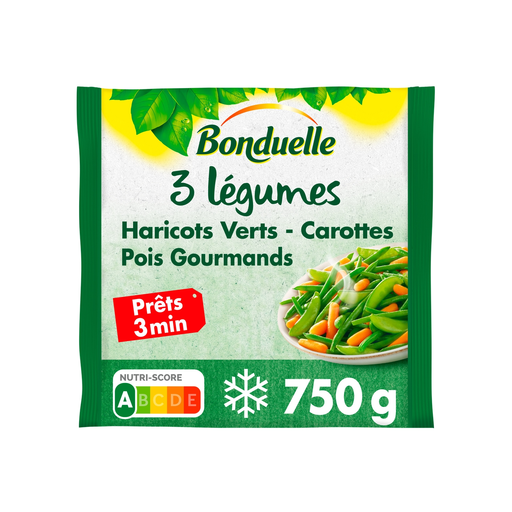 Image unavailable
A mix to consider if you’d like to serve several vegetables without combining them yourself. The bag contains 750 g. Check the cooking instructions and allergen information before making dinner.
 Image unavailable
Green beans to consider if you’d rather choose the seasoning and other elements of your meal yourself. The bag contains 750 g. Follow the cooking instructions and check the label if you need to avoid any allergens.
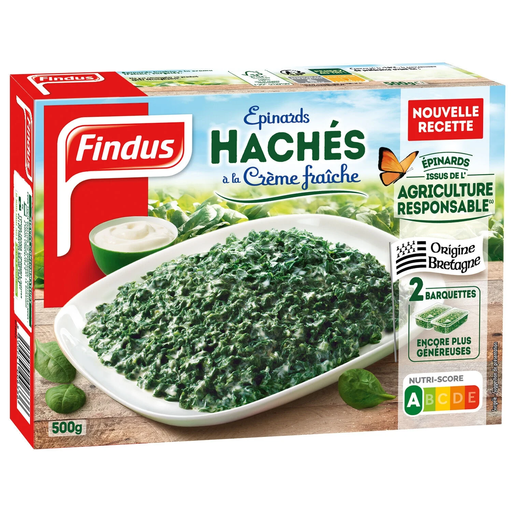 Image unavailable
A prepared spinach recipe to consider if you’d prefer a creamy side dish to plain vegetables. The bag contains 500 g. The recipe contains milk and wheat, so check the label to make sure it suits your needs.
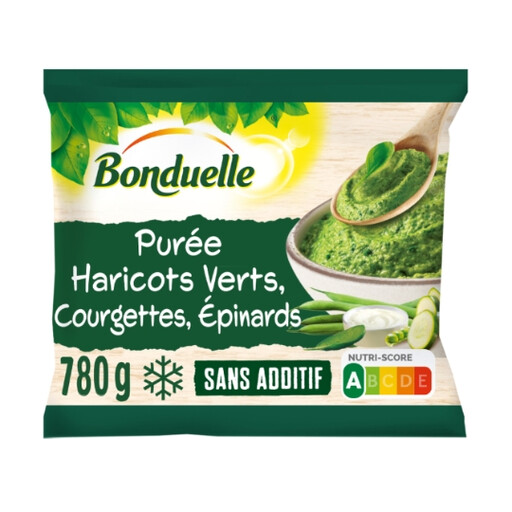 Image unavailable
A vegetable purée to consider if you prefer this kind of preparation to whole vegetables. The pack contains 780 g. The recipe contains cream and butter, and you should check the cooking instructions on the packaging.
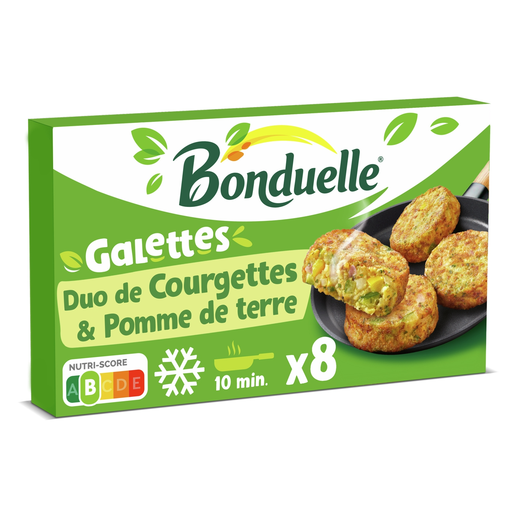 Image unavailable
A prepared option to consider if fritters would suit your dinner better than a bag of plain vegetables. The pack contains eight pieces. Check the net weight, ingredients and cooking instructions before choosing.
No. On its own, the term doesn’t tell you what the recipe is or how to use the product. For a student dinner, compare the net weight, ingredients, allergens and cooking instructions of the bags you’re considering.
Some products can be cooked straight from frozen, but always follow the instructions on the bag you choose. Carrefour says one of its Classic’ mixes can be cooked without defrosting first, for example, but that doesn’t automatically apply to every recipe.
Carry them in an insulated bag and keep the time between purchase or collection and putting them in the freezer to a minimum. Anses recommends these precautions to avoid breaking the cold chain.
No. Anses recommends not refreezing food once it has defrosted and says it should be eaten promptly. Always follow the storage instructions for the specific product too.
Start with the ingredients and allergen information to find out what’s actually in the recipe. Nutritional information per 100 g can then help you compare products in different pack sizes, as explained by the DGCCRF.