People who cook regularly
If you prepare several meals a week, plain vegetables and simple mixes let you choose how to cook and season them. Check that the vegetables in the bag suit the dishes you plan to make.


For a budget-friendly shop and meals you’ll prepare yourself, a bag of plain vegetables is a good choice if you want to decide on the seasoning and divide the contents between several dishes. Pre-cooked vegetables and prepared recipes meet a different need, especially when saving preparation time matters more. In either case, check the net weight, ingredients and origin information rather than relying on the word ‘premium’.
If you prepare several meals a week, plain vegetables and simple mixes let you choose how to cook and season them. Check that the vegetables in the bag suit the dishes you plan to make.
Pre-cooked or pre-cut vegetables, and steam-in-bag options, can cut out some preparation steps. Check the cooking instructions for the specific product and its ingredients list before you choose.
If these factors guide your choice, check the information on the bag rather than relying on the retailer’s name or product presentation. The vegetables in a mix may come from different countries.
First, choose the level of preparation you need: plain vegetables to cook yourself, or a product that saves you a few steps. You can then compare the format and labelling of bags intended for the same purpose.
| Criteria | What to check | Who is it for? |
|---|---|---|
| Format and versatility | Net weight and product type: plain vegetable, simple mix or prepared recipe. | If I cook several dishes, I want to divide the contents of the bag and season them to suit each recipe; around 45% of consumers would put this versatility first. |
| Preparation time | How prepared the vegetables are and the cooking instructions on the bag. | When I’m short on time, I’d rather skip some steps before serving the vegetables; around 33% of consumers would put speed first. |
| Origin and ingredients | Ingredients list, origin information and organic labelling, if relevant. | When choosing a mix or prepared recipe, I want to know what it contains and where the vegetables come from, when this information is provided; nearly 22% of consumers would prioritise these checks. |
Plain vegetables, a mix and a gratin don’t have the same place in a meal, even if their bags weigh about the same. E.Leclerc and ALDI catalogues list these as separate product categories.
Compare products intended for the same use, then check the net weight and ingredients to work out what you can actually cook with them.
A range’s name and packaging don’t tell you everything about its ingredients. A mix may contain vegetables from several different countries.
Check the origin information and full ingredients list for the product you choose. If you’re looking for organic produce, check that the product itself carries the relevant label.
Getting the product home is part of keeping it frozen. ANSES recommends picking up frozen food at the end of your shop, while the Ministry of Agriculture warns that refreezing a defrosted product encourages bacteria to multiply.
Pick up frozen bags last, carry them in an insulated bag and put them in the freezer as soon as you get home. Don’t refreeze a defrosted product.
Bonduelle offers, among other products, mixes of vegetables pre-cooked by steaming. This type of product is worth considering if you want to cut down on preparation.
This own-label brand offers, among other products, a 1 kg bag of frozen vegetables. It’s an option to consider for meals made with vegetables you cook yourself.
E.Leclerc’s Notre Jardin range includes individual vegetables, mixes and other frozen preparations.
Auchan’s range includes individual vegetables, mixes, vegetable pan-fry mixes, purées and organic options.
ALDI’s ALL SEASONS® range includes plain vegetables, mixes and prepared options such as vegetable pan-fry mixes and purées.
If you’d like to buy frozen vegetables from Lidl, check the options available at your local store for the dish you have planned.
This selection includes individual vegetables, mixes and a pack of edamame. To compare them for a budget-friendly shop, start with the dishes you want to cook, then check the format and preparation instructions for each bag.
 Image unavailable
A bag of green beans to consider if you’d like to decide how to use and season them in your recipes.
750 g pack. Check the cooking instructions on the packaging.
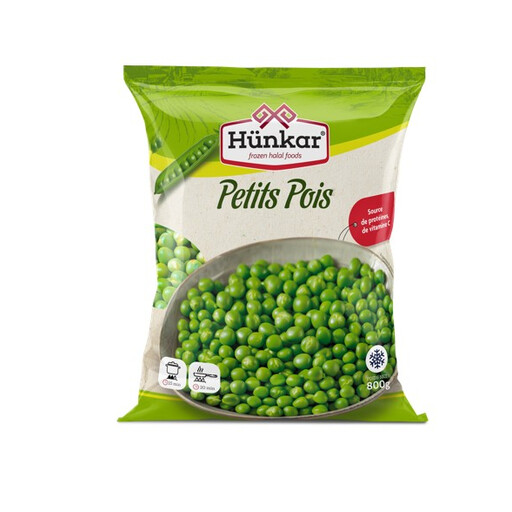 Image unavailable
Peas to choose if you’re looking for a single vegetable to use across several dishes.
800 g pack; check the packaging for cooking and storage instructions.
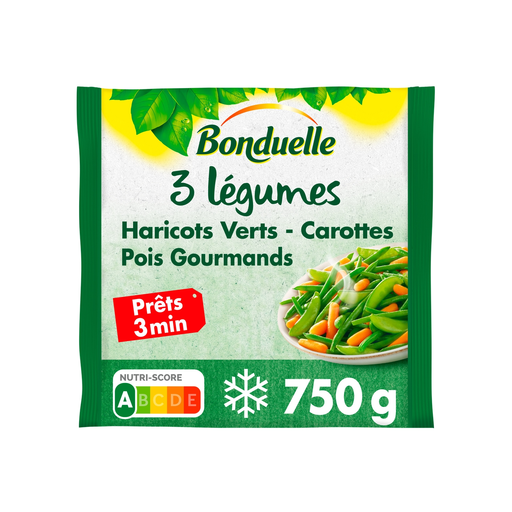 Image unavailable
This mix is a good choice if you’d rather have all three vegetables in one bag than choose them separately.
750 g pack; check the ingredients and preparation instructions on the packaging.
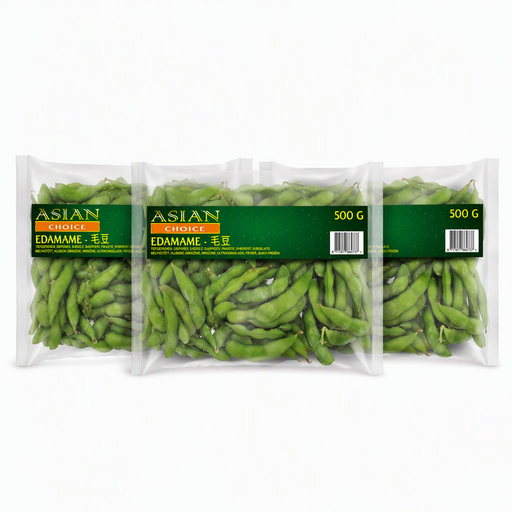 Image unavailable
A pack to consider if you’d like to use edamame in several dishes; check that they’re suitable for the meals you have planned.
Three 500 g bags. This product is made from soya: check the labelling if this allergen is relevant to you.
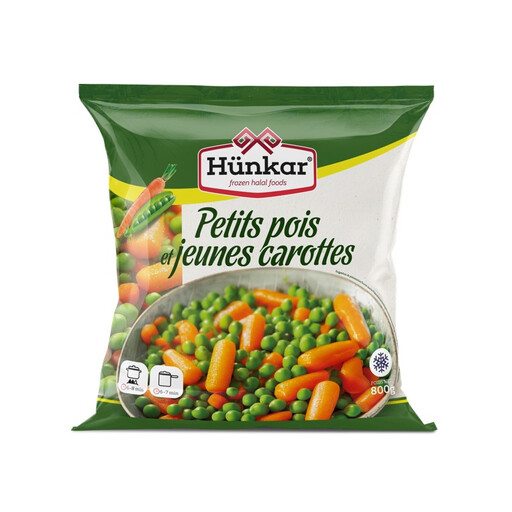 Image unavailable
This bag combines two vegetables, making it a handy option if you’d rather not put the mix together yourself.
800 g pack; check the cooking instructions on the packaging.
Start with the dish you’re making and compare products intended for the same use. Plain vegetables to season yourself, a vegetable pan-fry mix and a gratin don’t have the same ingredients. Then check the net weight and ingredients.
No. It doesn’t tell you the specific characteristics of the product. If the cut, steam preparation, origin or particular ingredients matter to you, look for that information on the product listing or packaging.
Read the origin information on the labelling rather than assuming that all the vegetables come from the same place. For a prepared recipe, also check the product description and ingredients list to see exactly what the origin information refers to.
Pick them up at the end of your shop and put them in the freezer as soon as possible after carrying them in an insulated bag, as recommended by ANSES. The Ministry of Agriculture advises against refreezing a defrosted product; also follow the storage instructions on its packaging.