People putting together several menus
If you make different recipes using the same ingredients, plain vegetables let you choose the combinations and seasonings.


If you’re putting together several menus, choose plain vegetables if you want to decide for yourself how to combine them, or an uncooked mix if you’d rather use a single bag. A purée or vegetable medley can cut down on some preparation steps, but gives you less flexibility over the ingredients. If meals are being delivered as part of a business, your choice should also take account of transport arrangements and the requirements that apply to your activity.
If you make different recipes using the same ingredients, plain vegetables let you choose the combinations and seasonings.
Pre-cut vegetables or a mix can reduce the amount of handling involved. However, check the cooking instructions for each product before planning your preparation.
If frozen vegetables need to be transported before they’re stored or prepared, plan how to keep them cold during the journey. ANSES recommends using an insulated bag for the journey home after shopping, among other precautions.
For meals to take away or deliver, start with the menu and the preparation work involved, then check how the frozen products will be transported. Your needs will differ depending on whether you’re preparing meals for family and friends or running a business.
| Criteria | What to check | Who this matters to |
|---|---|---|
| Format and portions | Check the net weight and how many vegetables each recipe needs. | If I’m making several meals with one simple ingredient, I need to know how many portions my menu will serve. Around 36% of consumers would put this need first. |
| Preparation time | Check whether the vegetables are pre-cut, as well as the cooking method and time given for the product you’ve chosen. | When preparing meals in batches, I want to cut down on the steps before cooking. Speed would be the top priority for around 29% of consumers. |
| Menu flexibility | Read the ingredients in a mix or prepared recipe and check that they suit the dishes you have planned. | If my menus change, I want to choose the vegetables and their proportions rather than always using the same combination. Around 21% of consumers would prioritise this flexibility. |
| Keeping products cold during transport | Plan how to transport frozen products and follow the storage instructions on the packaging. | If products need to be transported before preparation, I need to be able to keep them cold until they’re stored. This would be the top priority for around 14% of consumers. |
Bags of different weights won’t necessarily serve the same number of portions in the recipe you have planned.
Work out how much you’ll serve with each meal, then compare it with the net weight of each product.
A vegetable medley or purée may contain other ingredients and have a seasoning or texture that doesn’t suit your menu.
Read the ingredients list and allergen information before swapping plain vegetables for a prepared product.
Transport is part of the cold chain. ANSES recommends buying frozen products at the end of your shop and using an insulated bag to take them home.
Plan your journey before you buy and follow the product’s storage instructions. If you’re running a business, check the requirements that apply to your preparation and delivery arrangements.
A journey or delivery round may require insulated equipment and time for handling.
According to ANSES, food doesn’t automatically become unsafe to eat once its best-before date has passed, unlike products covered by a use-by date. A date alone doesn’t tell you how the product has been stored.
Check the exact wording on the packaging and follow the manufacturer’s instructions, particularly if the product hasn’t been kept cold.
A range to explore for plain vegetables and mixes, including 1 kg bags.
Individual vegetables in 1 kg packs to compare when creating your own recipes.
A range of individual vegetables, mixes and prepared dishes in various formats.
A range to browse if you’re choosing between individual vegetables, mixes and ready-cooked options.
A range that includes individual vegetables in 1 kg bags and prepared recipes.
A brand to consider if your menu calls for an individual vegetable, a mix or a specific prepared dish.
These products include individual vegetables, mixes, an ingredient to add to recipes and a purée. Start by choosing the format that suits your menu: sliced onions, for example, aren’t a side dish on their own.
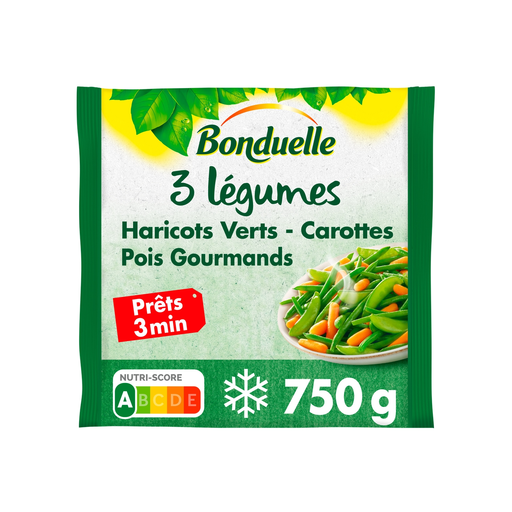 Image unavailable
Worth considering if you want all three vegetables in the same bag for your side dish.
The mix comes in set proportions, so check it suits each menu and follow the cooking and storage instructions on the packaging.
 Image unavailable
Worth considering if you’d prefer to choose the other vegetables and seasonings for your meal yourself.
This bag contains just one type of vegetable. Check how much you need per portion and follow the preparation instructions.
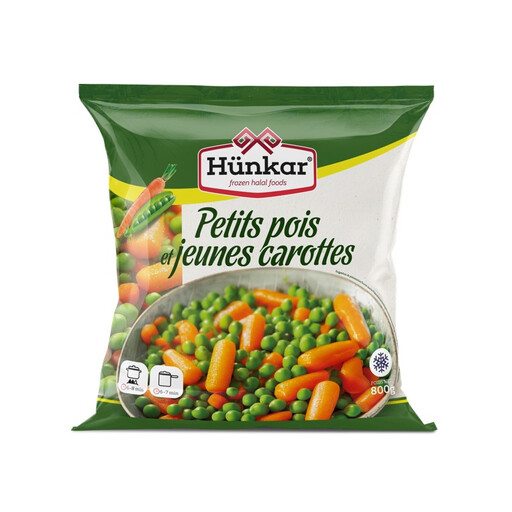 Image unavailable
Worth considering for a menu with peas and carrots, without having to open two separate bags.
Check that this combination and the preparation instructions suit the portions you have planned.
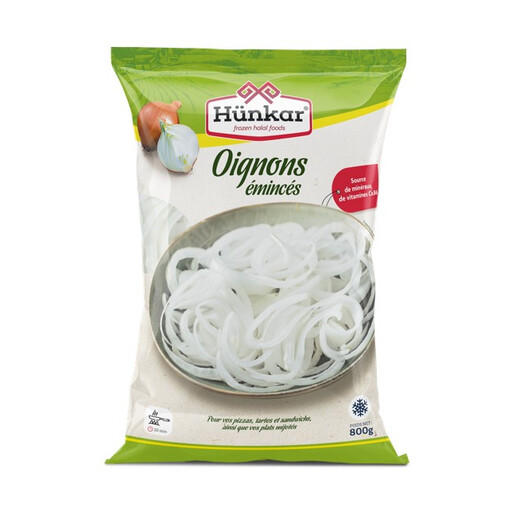 Image unavailable
Worth considering as an ingredient when your recipe calls for ready-sliced onions.
On its own, this isn’t a vegetable side dish, so make sure you have the other ingredients for your meal and follow the preparation instructions.
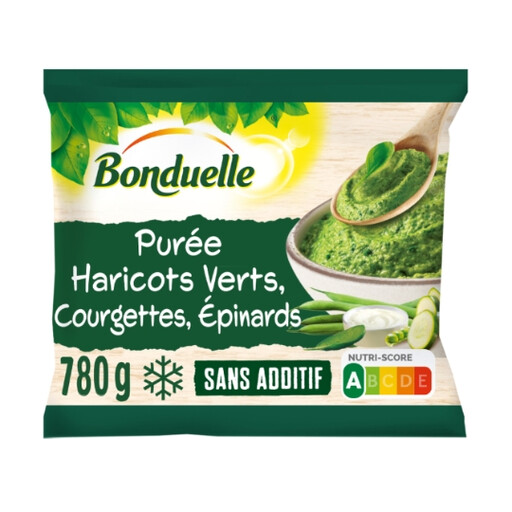 Image unavailable
Worth considering if your menu calls for a purée rather than chopped vegetables.
Milk, in the form of cream and butter, and possible traces of celery are listed: check the label and allergen information before serving.
No, not if the recipe calls for specific vegetables or proportions. Check the ingredients list and distinguish an uncooked mix from a vegetable medley or purée before changing the menu.
ANSES recommends buying them at the end of your shop, putting them in an insulated bag and keeping the journey back to your storage location as short as possible. Also follow the storage instructions on the bag.
ANSES recommends not refreezing food that has thawed, and eating it promptly. Also follow the product’s own storage and preparation instructions.
No. The DGCCRF states that French and European cold-chain regulations apply to food business operators, including during transport and distribution. The measures you need to put in place depend, among other things, on what you’re transporting — products that are still frozen or prepared meals — and how they’re delivered.
No. According to ANSES, a product past its best-before date may lose some of its quality, but it doesn’t automatically become unsafe to eat. This distinction doesn’t remove the need to follow the manufacturer’s instructions or take the actual storage conditions into account.