
Livraison le jour même ou le lendemain

Qualité garantie

Débloquez vos offres de bienvenue: Livraison GRATUITE | Jusqu'à -80 % | 30 jours d'essai gratuits à JoyPlus
Téléchargez l'application
Frozen vegetables meet a very real need: quickly preparing a side dish, cutting down on waste, and keeping a stock available all year round. But not all bags are suited to the same uses. A plain vegetable, a pre-cooked mix, or a creamy preparation are not chosen according to the same criteria.
To avoid unpleasant surprises, it’s better to check the ingredients, format and cooking instructions rather than relying solely on the promises printed on the packaging.
A bag labelled as “ready in minutes” sometimes contains simply pre-cooked vegetables, not a pre-seasoned dish. You’ll then need to add salt, spices, a sauce or a little fat. Conversely, prepared dishes like frozen creamed spinach generally contain more ingredients and allergens.
Before choosing, check whether the product is:
A frozen vegetable mix can consist solely of vegetables. However, some prepared products also contain cream, flour, oil, sugar or salt. The ingredients list lets you know exactly what you’re buying.
For a side dish that’s easy to adapt, short ingredient lists remain the most practical. More elaborate mixes are better suited to meals you want to prepare quickly, without having to add much.
An 800 g bag can be well suited to a family or to meal prepping. For a single person, however, it can prove less practical, especially if your freezer is short on space. Formats of 450 to 500 g make for more sensible portions.
After opening, reseal the bag carefully and follow the storage instructions. Vegetables must be kept at -18 °C or below and should never be refrozen after defrosting.
For a simple side dish, frozen green beans, frozen carrots, frozen peas, cauliflower and plain leeks make an easy base to customise. A couscous mix containing carrots, courgettes, peppers, celery and chickpeas also saves you from having to prepare multiple ingredients.
If you’re mainly looking to save time, check the stated cooking time and recommended method. Some pre-steamed vegetables can be reheated in around three minutes, while HÜNKAR plain peas indicate a pan or saucepan preparation of about 20 minutes.
Compare the information per 100 g, because reference portions vary from one product to another. Plain vegetables, in particular, let you keep control over the seasoning. According to the product sheet provided, HÜNKAR green beans show 34 kcal, 4 g of fibre and 0 g of salt per 100 g.
Prepared products should be compared within their own category. FINDUS creamed spinach shows 68 kcal and 0.6 g of salt per 100 g, while creamed leeks show 62 kcal and 0.6 g of salt per 100 g. These figures can help you plan your meals according to your habits, without confusing marketing claims with medical advice.
Cream-based preparations may contain milk and wheat flour. Some mixes also carry a warning about possible traces of celery. As for edamame, it is a soya-based product: if someone in your household has an allergy, always check the label before buying.
Finally, follow the instructions on the packaging. Some products can be cooked directly from frozen, while others need to be reheated gently, stirring regularly. The temperature and cooking time have a direct impact on the final texture.

Why this choice suits this profile: A plain, versatile vegetable to accompany rice, eggs, meat or vegetarian dishes, with no sauce already added.
Its ingredients list mentions only green beans, so you avoid paying for a sauce or seasoning you don’t need.
800 g format, 34 kcal and 4 g of fibre per 100 g according to the product sheet.

Why this choice suits this profile: Extra-fine beans are aimed at those looking for a more delicate texture and clearly detailed preparation instructions.
The product sheet specifies cooking from frozen, for 5 to 7 minutes in boiling water, with a microwave option.
750 g, 32 kcal and 3.1 g of fibre per 100 g according to the information provided.
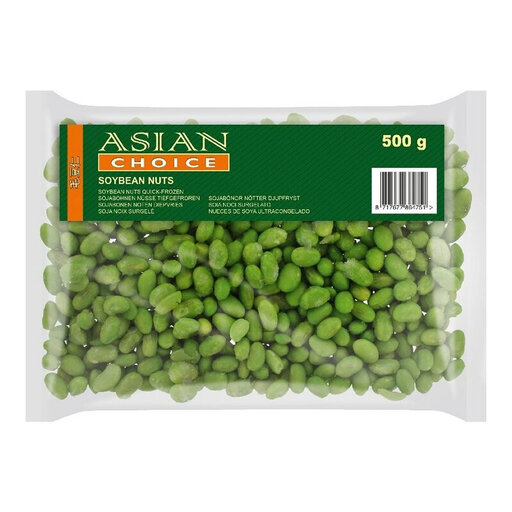
Why this choice suits this profile: Edamame fits easily into salads, stir-fries, rice bowls and vegetarian meals that want to rely on a different plant-based protein source.
The product sheet mentions a limited ingredient list of soya only, with no sauce or hard-to-identify mix.
500 g bag, with preparation possible in boiling water, steamed or in the microwave.
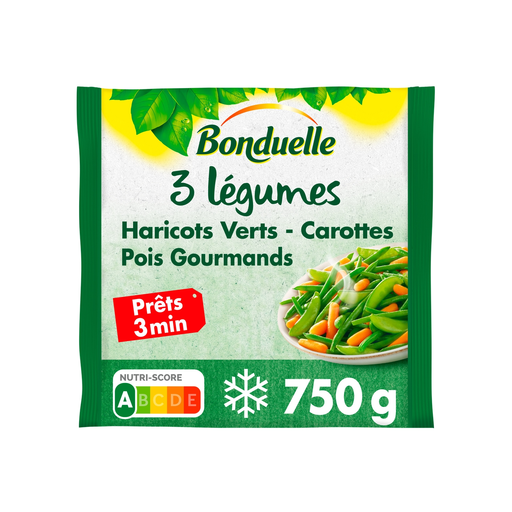
Why this choice suits this profile: This mix brings together green beans, baby carrots and mangetout to quickly create a colourful side dish.
The product sheet indicates preparation from frozen and reheating in the microwave in around three minutes, in line with the instructions.
750 g, pre-steamed vegetables and 35 kcal per 100 g according to the nutritional information provided.
We have put together a comprehensive, real-time updated selection of products that meet these strict selection criteria as well as European safety regulations.
Not necessarily. Many products can be cooked directly from frozen, particularly green beans, mixes and edamame. The instructions on the bag remain the reference to follow, as the cooking time varies depending on the size of the pieces and their level of pre-cooking.
They must be kept at -18 °C or below, until the date stated on the packaging. After opening, reseal the bag properly to limit frost and temperature fluctuations. Never refreeze a defrosted product.
A pre-steamed mix is particularly handy when you need to prepare a side dish in minutes. To keep control over the ingredients and seasoning, opt for plain vegetables such as carrots, peas, cauliflower, leeks or green beans.