Households cooking for several people
For a soup, gratin, quiche or side dish, you’ll want enough for the recipe and vegetables you can season yourself. Consider how they’re cut as well as the weight of the bag.


For a soup, gratin or side dish that you want to season yourself, start with plain vegetables or an uncooked mix. If you’d rather have a ready-made mash or stir-fry, check that its ingredients suit the dinner you have planned. Either way, the net weight and stated portions are more useful than the words “family size” alone when deciding how many bags to buy.
For a soup, gratin, quiche or side dish, you’ll want enough for the recipe and vegetables you can season yourself. Consider how they’re cut as well as the weight of the bag.
A ready-made stir-fry or mash saves you some of the preparation. However, check the ingredients if you want to control the seasoning or need to avoid an allergen.
A large bag makes sense if you can use the amount, either all at once or over several meals. The net weight and stated portions will help you decide.
First, decide what you want the vegetables to do in your dinner: be an ingredient you cook with, a mix you season yourself or a ready-made recipe. Then check the quantity and the label of the product you’ve chosen.
Choose these if: you’re making your own soup, gratin or side dish.
Bear in mind: you’ll need to add your own sauce and seasoning.
Choose this if: you want a mix of vegetables but prefer to decide on the seasoning yourself.
Bear in mind: the vegetables and their proportions need to suit the recipe you have in mind.
Choose this if: a stir-fry, ratatouille or mash is already the side dish you want.
Bear in mind: the ingredients and seasoning are largely set by the recipe.
| What to consider | What to check | Who is it for? |
|---|---|---|
| How much you’ll use | Net weight and stated portions, distinguishing between a side dish and a main meal. | If vegetables are a major part of dinner, I want to buy enough without needing several bags. Around 31% of consumers prioritise the amount they can use. |
| Evening preparation | Whether the product is plain or prepared, and the cooking instructions on the bag. | When I’m short on time, I look for something with preparation steps that fit my evening. Around 25% of consumers prioritise simplicity. |
| Making use of the pack size | Net weight, recipe type and how much you expect to use after the first meal. | If I’m buying a large bag for several dinners, I want to know what I’ll do with the leftovers. For around 25% of consumers, being able to use the whole pack is the top priority. |
| Ingredients | Ingredients list, allergens and nutritional information per 100 g. | If some ingredients aren’t suitable for my meal, I need to be able to spot them before choosing a mix or ready-made recipe. Ingredients are the priority for around 19% of consumers. |
A quantity that’s enough for a side dish may not be enough for a meal where vegetables play a bigger part.
Compare the net weight and any stated portions with the dish you’re making and the number of people you’re serving.
A mash or stir-fry may contain a sauce or other ingredients that affect the finished dish and the allergens you need to consider.
Read the product name and ingredients list, then compare the nutritional information per 100 g if it matters to your choice.
The information shown for a product may vary depending on the version being sold.
Check the label on the bag you receive, especially the ingredients, allergens, and storage and cooking instructions.
The range includes plain vegetables, products that are pre-steamed and frozen recipes.
The range listed by Carrefour includes vegetables and mixes for a variety of dishes.
E.Leclerc’s range includes plain vegetables as well as mixes and recipes in different pack sizes.
Auchan’s vegetable julienne is one example of a mix to cook from a large bag.
ALDI’s range includes plain vegetables and frozen mixes.
These 750 to 800 g bags include plain vegetables, mixes to cook and a ready-made mash. Choose based on the dish you want to make, then check whether the quantity is right for the people you’re serving and any other meals you have planned.
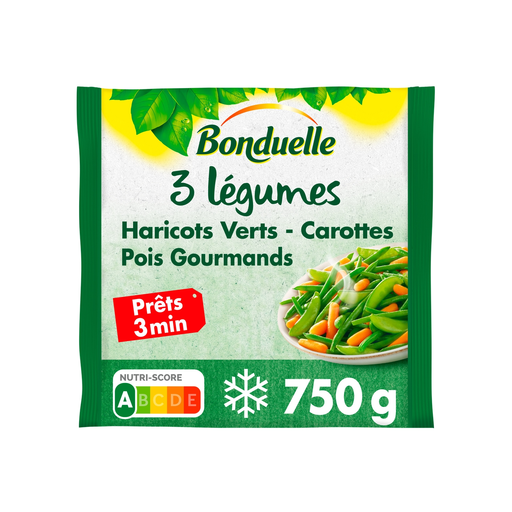 Image unavailable
A mix to consider for a varied vegetable side dish that you can season to suit your dinner.
Net weight: 750 g. Check the preparation instructions on the bag.
 Image unavailable
Green beans to consider if you want to season a side dish yourself.
Net weight: 750 g. If celery is a concern for your meal, check the label information.
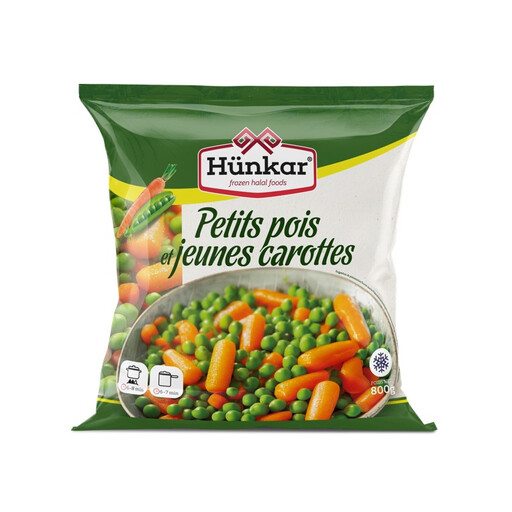 Image unavailable
A mix to consider for a soup, stew or side dish that you cook yourself.
Net weight: 800 g. Check the packaging for cooking instructions.
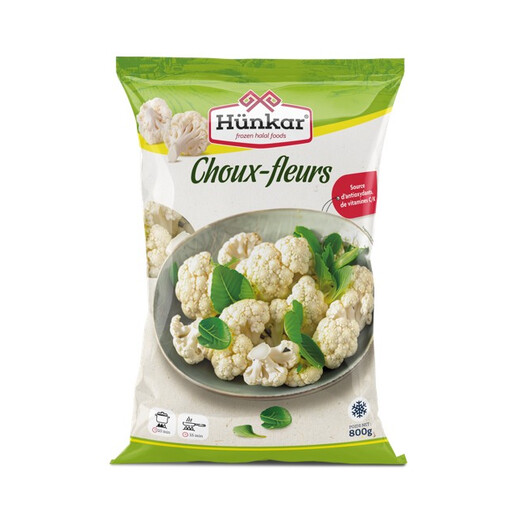 Image unavailable
Cauliflower to consider as an ingredient for a soup or a dish you season yourself.
Net weight: 800 g. Check the packaging for cooking instructions.
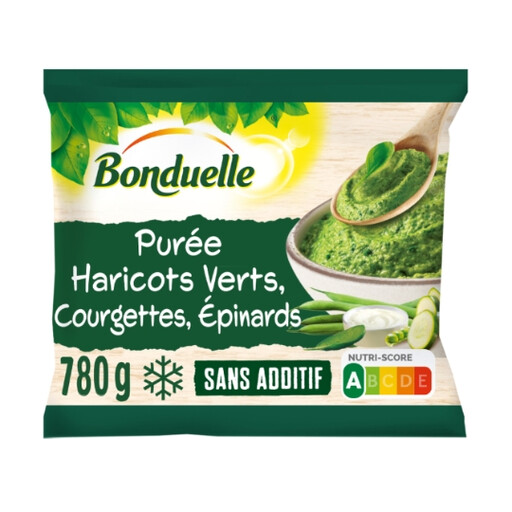 Image unavailable
A mash to consider if you’re looking for a ready-made recipe rather than plain vegetables.
Net weight: 780 g. The ingredients also include cream and butter; check the label for allergens and preparation instructions.
No. The wording alone doesn’t tell you the weight of a bag of frozen vegetables. Check the net quantity and, if stated, the portions for the product you’ve chosen. Carrefour and E.Leclerc list bags in different weights, depending on the vegetables and recipes.
It depends on the product’s instructions. The listing for Auchan’s 1 kg vegetable julienne says to cook it without defrosting first. For any other bag, follow the preparation instructions on its packaging.
Choose plain vegetables if you want to create your own recipe; choose a stir-fry if its ingredients and seasoning already suit the dish you have planned. To compare two products, read their ingredients lists, allergen information and nutritional values per 100 g.
Check the label on the bag you receive before preparing your meal. In particular, check the ingredients if you need to avoid an allergen, along with the storage and cooking instructions for that product.