For people who like to season their food themselves
When putting together a meal for one, plain or lightly pre-cooked vegetables let you choose separately whether to add oil, cream or cheese.


To keep added fat under your control when preparing a meal for one, start with plain or lightly pre-cooked frozen vegetables and check the ingredients list. If speed or a portion-sized format matters more, compare the fat per 100 g and the ingredients in each vegetable mix or prepared dish. The name and format alone aren’t enough to tell them apart.
When putting together a meal for one, plain or lightly pre-cooked vegetables let you choose separately whether to add oil, cream or cheese.
A ready-to-cook vegetable mix can make preparation easier. Check the recipe, though: ingredients and nutritional values vary from product to product.
The net weight and number of servings can help you work out how much to use. However, a small pack doesn’t tell you how much fat it contains per 100 g.
Choose these if: you want to decide how to season your meal yourself.
Bear in mind: you’ll need to prepare the rest of the dish and its seasoning separately.
Consider these if: you want several vegetables together in a ready-to-cook dish.
Check: a stir-fry may contain ingredients other than vegetables, and its name won’t tell you how much fat it contains.
Consider this if: portion control matters more to you than seasoning the vegetables yourself.
Bear in mind: a single-serving format doesn’t guarantee a recipe comparable to plain vegetables.
| What to consider | What to check | Who this matters to |
|---|---|---|
| Added fat | Compare the fat per 100 g and look for ingredients such as oil, cream or cheese in the ingredients list. | If I want to decide how much fat is added to my meal, I prefer to know exactly what goes into the recipe. Around 42% of consumers rank this as their top priority. |
| Preparation time | Read the preparation instructions and check that the ingredients suit what you want to cook. | When I’m making a quick meal, I look for an option that suits the cooking method I have available, rather than relying on the name of the product category alone. Speed is the top priority for around 33% of consumers. |
| Quantity and storage | Check the net weight, the number of servings shown and the storage instructions before opening a large bag. | When I’m cooking one portion, I want to be able to take out the amount I need and store the rest properly. Portioning is the top priority for around 25% of consumers. |
The freezer aisle includes plain vegetables as well as stir-fries, purées and gratins. The product category won’t tell you how much fat a particular recipe contains.
Compare the nutritional information per 100 g and the ingredients list for the product you’re considering.
Two packs may have different net weights and different numbers of servings. A smaller serving doesn’t mean the recipe contains less fat per 100 g.
Compare the values per 100 g first, then check the net weight and number of servings to work out how much you’ll need for your meal.
A claim about pesticide residues, for example, answers a different question from one about nutritional content.
Assess each factor separately: check the ingredients and fat content, even if another claim catches your eye.
The Ministry of Agriculture says that refreezing a defrosted product encourages the growth of bacteria.
Plan how much you’ll use and don’t refreeze a defrosted product.
Bonduelle offers, among other things, steam-pre-cooked frozen vegetables and spinach portions.
Carrefour lists plain frozen vegetables separately from prepared vegetables and stir-fries in its online range.
Notre Jardin products listed by E.Leclerc include frozen sliced courgettes and a soup mix.
Auchan offers, among other things, frozen vegetables for soup.
ALDI offers frozen vegetables in different forms, including mixes, stir-fries and vegetable portions.
This selection includes single vegetables and vegetable mixes to prepare for a meal for one. Check how much you want to use for each meal, as the products come in bags or a multipack. They don’t include the sauced stir-fries or prepared single servings mentioned above.
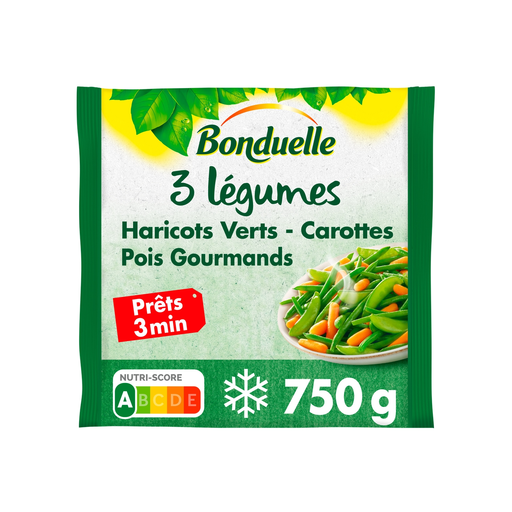 Image unavailable
A vegetable mix to consider if you want several vegetables together in one meal. The bag contains 750 g, so work out how much to use for one person and check the ingredients and nutritional values on the packaging.
 Image unavailable
Green beans to consider if you prefer to choose how to season your side dish yourself. The bag contains 750 g; check how much you need for one meal and read the nutritional information on the packaging.
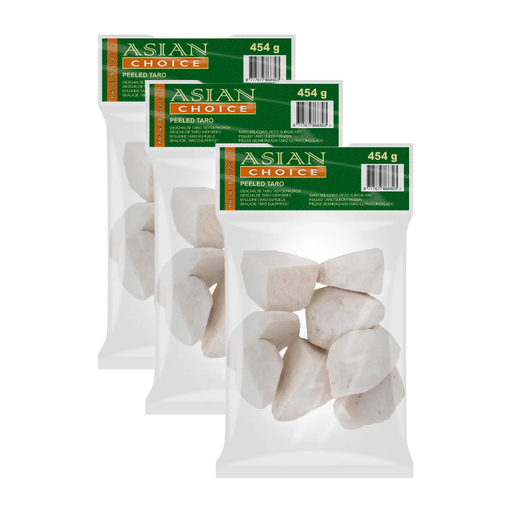 Image unavailable
Another vegetable base to prepare if you’d like to vary the ingredients in your meals. This multipack contains three 454 g bags, so consider the quantity and storage instructions before choosing it for meals for one.
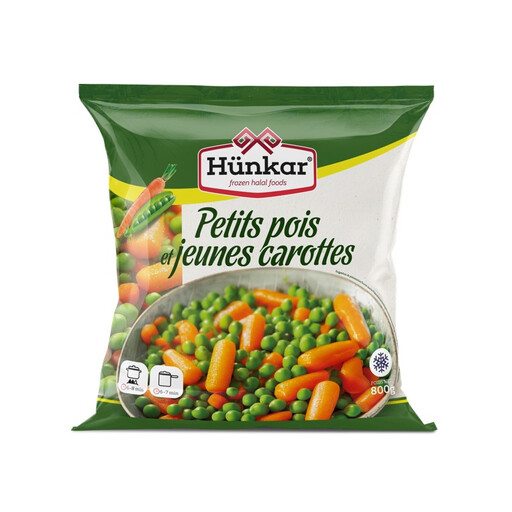 Image unavailable
A two-vegetable mix to consider as a side for a meal for one. The bag contains 800 g, so check how much to use, along with the ingredients and nutritional values on the packaging.
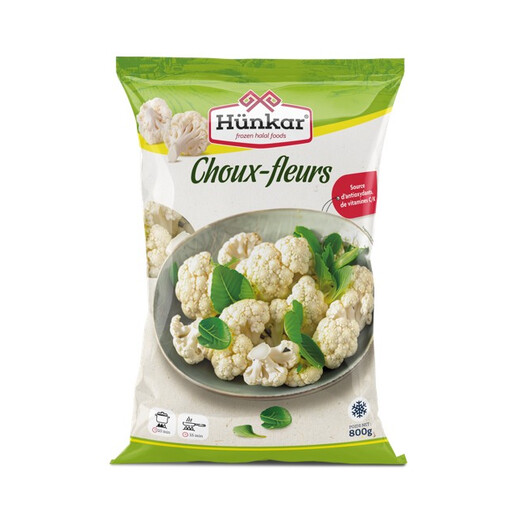 Image unavailable
Cauliflower to consider if you want to season your dish yourself. The bag contains 800 g; work out how much you need for one plate and check the nutritional information on the packaging.
This claim doesn’t simply mean ‘lower in fat than another product’. For solid foods, European Regulation (EC) No 1924/2006 sets a maximum of 3 g of fat per 100 g for a product to carry this claim. Also compare the exact values and ingredients of the products you’re interested in.
Compare their nutritional values per 100 g, then check the ingredients lists, net weights and stated servings. The DGCCRF notes that nutritional declarations are given per 100 g or 100 ml to make it easier to compare products.
The names of these products alone aren’t enough to tell you which contains less fat. With plain vegetables, you can choose what to add at home. To compare them with a particular stir-fry, check the fat per 100 g and look for ingredients such as oil, cream or cheese.
Don’t refreeze a defrosted product. The Ministry of Agriculture says this encourages the growth of bacteria, so take out the amount you need before defrosting.