People filling an empty freezer
You want a few bags you can use in different meals, without taking up all your freezer space on your first shop. Storage and keeping quality are important considerations.


For your first shop, start with a few plain vegetables you can use in different meals, then add a mix or prepared dish that suits what you plan to cook. A large bag is a good choice if you have enough space and can take out some of the vegetables without letting the rest thaw. Choose portion-sized packs or a prepared dish for a more specific use.
In its survey published in June 2024, UNILET lists preservation, storage and ease of use among the reasons people give for eating frozen vegetables.
You want a few bags you can use in different meals, without taking up all your freezer space on your first shop. Storage and keeping quality are important considerations.
You’d rather choose vegetables and pack sizes that suit the meals you have planned than end up with several bags that serve similar purposes.
Pre-cut vegetables or a mix made for a particular dish can save you some preparation steps. However, a fixed mix gives you less flexibility than plain vegetables.
When building your first stock, start with vegetables that suit several meals you have planned. Then check how much freezer space you have and whether a ready-prepared bag would be useful.
| What to consider | What to check | Who it suits |
|---|---|---|
| Versatile stock | Check the net weight, how much freezer space you’ll need and which vegetables you’ve already chosen. A few complementary bags can help you avoid buying several similar mixes. | I want to make different meals without filling the freezer with duplicates. Versatility is the main priority for around 43% of consumers. |
| Shopping to suit your meals | Compare the weight and ingredients of bags intended for the same use, and distinguish plain vegetables from prepared dishes. | If I mostly cook with plain vegetables, a prepared dish intended for just one meal might go unused. Around 29% of consumers prioritise making sure their purchases suit their meals. |
| Quick preparation | Check whether the vegetables are already chopped, whether the dish is seasoned and what cooking method the packaging recommends. | When I’m preparing my first meals, I want to skip peeling and chopping, even if that means choosing a less flexible mix. Speed is the top priority for around 28% of consumers. |
A mix, a pan-fry blend and a gratin won’t always work as substitutes for the same ingredients in your meals. Their ingredients and preparation methods may differ.
Read the product name, ingredients list and instructions before deciding how much space to give it in your first stock.
Several 1 kg bags can quickly take up all your available space, especially if you’re also buying mixes or prepared dishes.
Start with a few vegetables that complement one another, then tailor your next shop to the space you have left and the meals you actually prepare.
It’s important to maintain the cold chain between the shop and your freezer, too. Once you’ve opened a bag, you can only put the vegetables that are still frozen back in the freezer: Bonduelle advises against refreezing thawed vegetables.
ANSES recommends buying frozen food at the end of your shop, using an insulated bag and keeping the journey home as short as possible. Once home, take out what you need and promptly return the rest to the freezer while it’s still frozen.
Bonduelle offers frozen vegetables, mixes and pan-fry blends. Auchan’s range also includes products from the brand.
Carrefour’s range includes plain vegetables, mixes and prepared vegetable dishes.
Auchan offers individual vegetables, mixes, portion-sized packs and some products that are already cooked.
E.Leclerc’s range includes plain vegetables and Notre Jardin mixes, including 1 kg bags.
ALDI’s All Seasons range includes plain vegetables, as well as mixes and prepared dishes.
These bags illustrate three options for your first shop: vegetables for different recipes, a mix with set ingredients and prepared dishes for a particular side. Choose pack sizes to suit the meals you have planned and the space in your freezer.
 Image unavailable
Choose this bag of individual vegetables if green beans feature in several meals you have planned. It contains 750 g; pair it with another variety if you want more variety in your freezer.
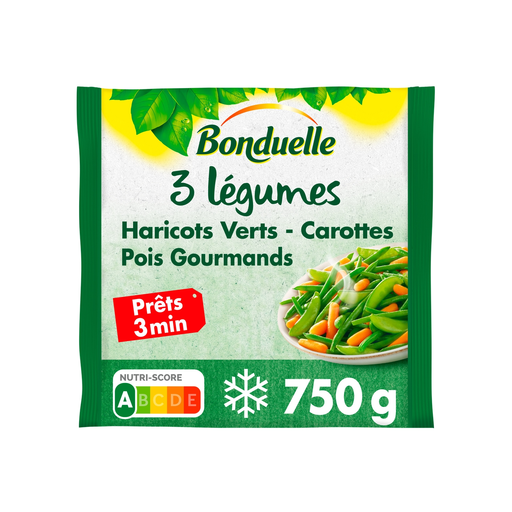 Image unavailable
This 750 g mix is a good choice if its ingredients suit a side dish you’re planning to make. It combines three vegetables in one bag, but you can’t choose how much of each one to use.
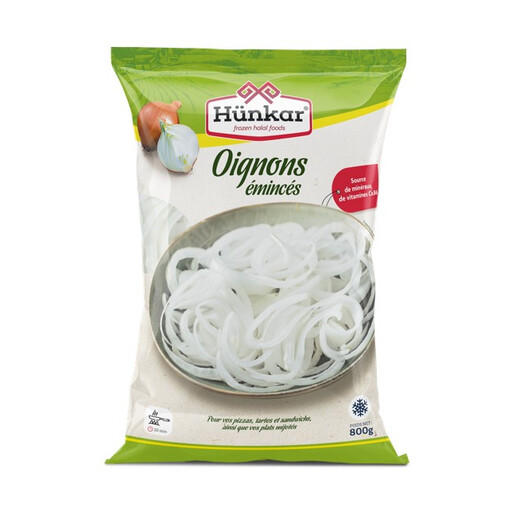 Image unavailable
Ready-sliced onions can be a handy base for dishes you regularly make with this ingredient. The bag contains 800 g of onions, not a selection of vegetables to serve alongside a meal.
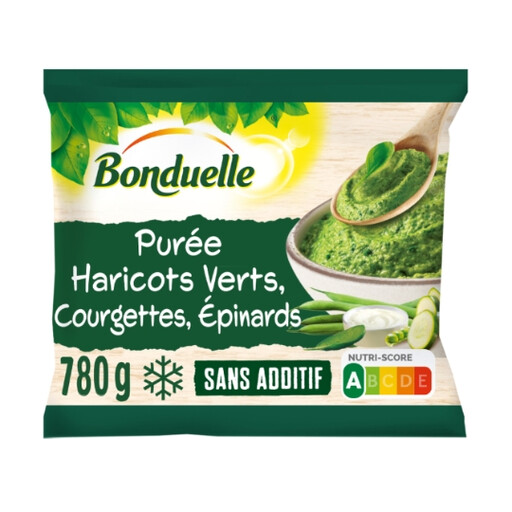 Image unavailable
This 780 g purée suits a meal where you’d rather serve a prepared dish than cook vegetables separately. Its puréed texture makes it less versatile in recipes that call for whole or chopped vegetables; check the ingredients list to make sure it suits your needs.
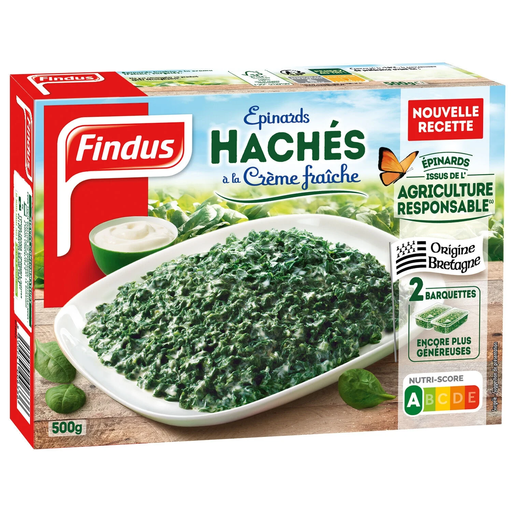 Image unavailable
Choose this 500 g prepared dish if creamed spinach is on the menu as a side. It isn’t a bag of plain spinach, so bear the cream in mind and check the ingredients list.
Start with a few bags for different uses rather than several similar mixes. One or two plain vegetables and a mix for a meal you have planned can be a good starting point. Then adjust the amount to suit your freezer space, how often you cook at home and the size of the bags.
Pick them up at the end of your shop, carry them in an insulated bag and keep the journey to your freezer short. These are ANSES’s recommendations for maintaining the cold chain.
Yes, as long as the vegetables left in the bag are still frozen. Take out the amount you need, close the bag and return it to the freezer straight away. Bonduelle advises against refreezing a thawed product.