What should you check when choosing two bags?
Start by choosing two options that suit meals you make regularly, then check the quantity, ingredients and storage instructions for each bag.
Plain vegetables
Choose these if: you want to season them yourself and serve them with several different meals.
Bear in mind: you’ll still need to prepare them as part of your recipe.
Cooking mix
Choose this if: you often use the same combination of vegetables in soups, stir-fries or other family meals.
Bear in mind: the proportions of vegetables are fixed in the bag and may not suit everyone’s tastes.
Ready-made dish
Choose this if: cutting down on preparation matters more than putting the dish together yourself.
Check: the recipe determines the ingredients and seasoning, particularly in a vegetable pan-fry or gratin.
| What to consider |
What to check |
Who should consider this? |
| Quantity |
Compare the net weight and stated servings with the number of people you’re feeding and the meals you have planned. |
If I’m going to use my two bags over several dinners, I want to know how many people each one will serve. Around 36% of consumers prioritise quantity. |
| Preparation |
Choose between plain vegetables, a cooking mix and a ready-made dish based on how much preparation you want to do. |
On evenings when time is short, I prefer a bag that saves me from gathering and chopping several vegetables. Speed is the top priority for around 29% of consumers. |
| Ingredients |
Read the ingredients list and check for allergens. If you’re choosing between two recipes, compare the nutritional information too. |
If someone at home needs to avoid an ingredient, I can’t choose a vegetable pan-fry based on its name or picture alone. Around 21% of consumers say ingredients are their main concern. |
| Storage |
Check you have space in the freezer and read the pack instructions. Take an insulated bag for the journey home. |
Before buying two bags, I want to be able to take them home and put them in the freezer promptly. Storage is the main priority for around 14% of consumers. |
Frozen vegetables on Joybuy
These 750 g or 800 g bags offer two options for your dinners: a plain vegetable to use in different recipes, and a vegetable mix to serve as a side. Check how much your family needs before choosing two.
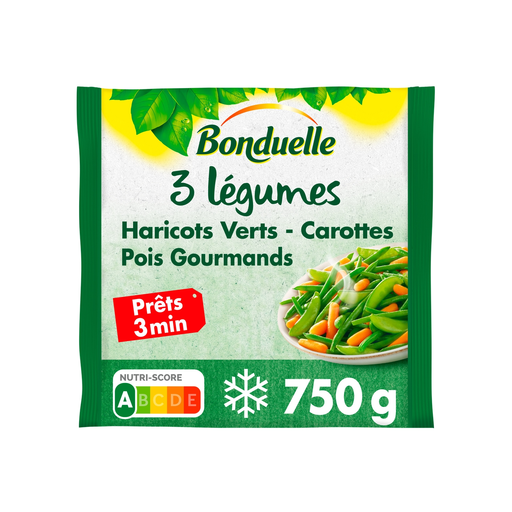 Image unavailable
Bonduelle green beans, carrots and sugar snap peas, 750 g
Worth considering if you’d like all three vegetables in one bag to serve as a side. Check that 750 g is enough for the portions you have in mind, and read the label if anyone in your household has an allergy.
View on Joybuy
 Image unavailable
Bonduelle extra-fine green beans, 750 g
Worth considering for a side dish when you want to choose the recipe and seasoning yourself. The bag weighs 750 g, so compare this with the portions you need and read the label if anyone in your household has an allergy.
View on Joybuy
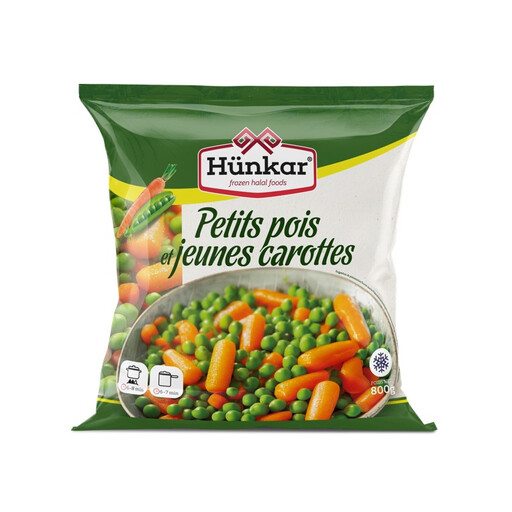 Image unavailable
HÜNKAR peas and baby carrots, 800 g
Worth considering if this combination of two vegetables suits your family meals. The bag weighs 800 g, so check the portions, cooking instructions and allergen information on the label.
View on Joybuy
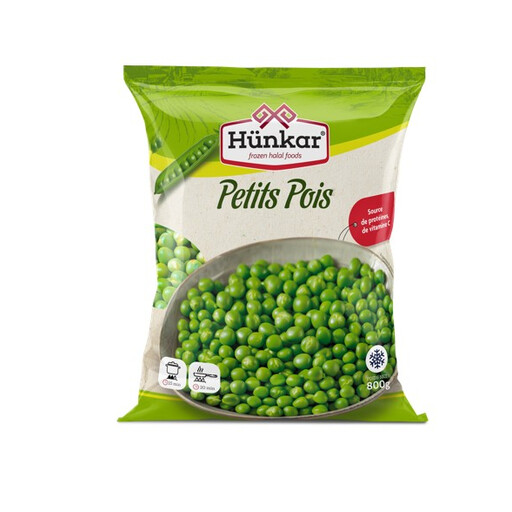 Image unavailable
HÜNKAR peas, 800 g
Worth considering if you’d rather decide for yourself how to serve peas with your dinners. The bag weighs 800 g, so check the portions you have in mind, the cooking instructions and the allergen information on the packaging.
View on Joybuy
Frequently asked questions
Should you pick up frozen vegetables at the end of your shop?
Yes. Anses recommends buying frozen foods at the end of your shop, using an insulated bag and keeping the journey home as short as possible. If you’re buying two bags, make sure you can put them in the freezer promptly too.
What temperature should you store the bags at in the freezer?
First, check the instructions on each pack. Anses says that freezing food at home at −18 °C stops bacteria from multiplying, but most micro-organisms survive freezing.
Can you refreeze vegetables that have thawed?
Anses recommends not refreezing food once it has thawed and eating it promptly. It advises thawing food in the fridge, using the microwave’s defrost setting or cooking it straight away.
What should you read on the label before choosing a mix?
Check the product name, ingredients list, highlighted allergens, net quantity, date and nutritional information. The DGCCRF lists these among the details to check on pre-packed foods. They can also help you tell a vegetable mix apart from a ready-made dish.
What should you do if a bag has a lot of frost or contains lumps of ice?
If you spot this before buying, choose another bag and let the shop know. Bonduelle says a lot of frost or lumps of ice may indicate that the cold chain has been broken and recommends not eating the product in that case.


