Hosts putting together a festive side dish
If you want to choose the sauce or seasoning yourself, plain vegetables in a cut suited to your dish give you more flexibility than a ready-prepared recipe.


To prepare your own Christmas side dish, choose plain vegetables or a mix with ingredients that suit your recipe. If you’d rather have something ready-prepared, a vegetable pan, mash or gratin could work. Check the ingredients, quantity and cooking instructions rather than relying on the word ‘premium’.
If you want to choose the sauce or seasoning yourself, plain vegetables in a cut suited to your dish give you more flexibility than a ready-prepared recipe.
A vegetable pan or gratin can cut down on preparation, provided its ingredients, portions and cooking method suit the rest of your menu.
To choose between a well-known brand and a supermarket own-brand, compare the ingredients list, any highlighted allergens, the net quantity and the space available in your freezer.
First decide whether you want to put the side dish together yourself or serve a ready-prepared recipe. Then check the ingredients and choose a quantity that suits your gathering.
| What to consider | What to check | Who it matters to |
|---|---|---|
| Customising your side dish | Check which vegetables are included, how they’re cut and what else has been added to the mix. | For a festive plate I want to finish my own way, I’d rather be in control of the seasoning. Around 33% of consumers would prioritise this freedom to prepare the dish as they choose. |
| Preparation time | Check the cooking instructions and see whether the recipe is already seasoned. | When the rest of the dishes are already taking up the kitchen, I look for a side that needs little preparation. Speed would be the priority for around 27% of consumers. |
| Ingredients | Read the ingredients list and check any highlighted allergens. If needed, compare nutritional values on the same basis. | If some guests need to avoid certain ingredients, I want to know exactly what’s in the recipe before adding it to the menu. Around 20% of consumers would put this check first. |
| Quantity and storage | Compare the net quantity and stated portions with the space available in your freezer. | For a small gathering or a freezer that’s already full, I don’t want an oversized pack. This would be the main concern for around 20% of consumers. |
The term doesn’t tell you what proportion of the product is vegetables, or whether it contains oil, cream or other ingredients. A ready-to-cook recipe doesn’t meet the same need as a pack of plain vegetables.
Choose the type of side dish to suit your menu, then read the ingredients and portion information.
A large pack may suit a bigger gathering, but could leave you with more to store after a smaller meal.
Check the net quantity against the other side dishes you’re serving and the space in your freezer.
An oversized pack can take up valuable freezer space while you’re preparing for the meal.
If it starts to warm up, the cold chain could be compromised during a long festive shopping trip.
Anses recommends picking up frozen food at the end of your shop, carrying it in an insulated bag and putting it in the freezer as soon as possible.
The Ministry of Agriculture says that refreezing a thawed product encourages bacteria to multiply.
Don’t refreeze a thawed product. Choose a quantity that suits how you plan to use it and follow the instructions on the packaging.
Bonduelle’s frozen range includes plain vegetables, vegetable pans and purées.
Carrefour’s own brands include plain frozen vegetables, as well as cooked vegetables and vegetable pans.
The Notre Jardin range includes frozen vegetables and mixes, including an Asian-style vegetable pan in a 1 kg pack.
Auchan offers seasoned vegetable pans, including a ‘4 Seasons’ recipe in a 750 g pack.
ALDI’s own brands include frozen vegetables, vegetable pans, gratins and herbs, with packs including 750 g and 1 kg options.
Lidl has a frozen food section worth visiting when you’re doing your Christmas shopping.
This selection includes vegetables you can season yourself and ready-prepared side dishes. Choose what suits your recipe, then check the ingredients and preparation instructions on each pack.
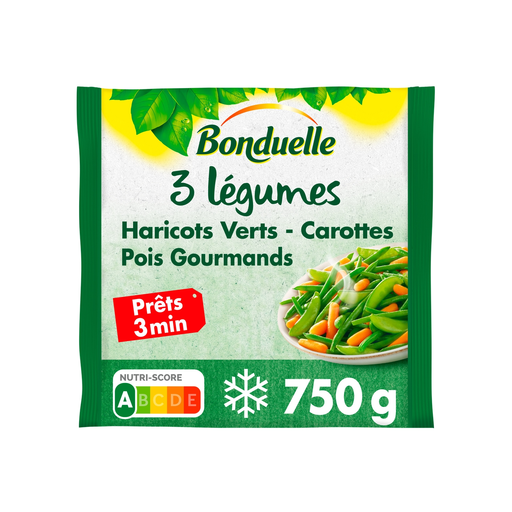 Image unavailable
A mix to consider if you’d like several vegetables in one side dish while still choosing how to finish it.
750 g pack. Check the ingredients list and cooking instructions before adding it to your menu.
 Image unavailable
Green beans to consider if you’d like to choose the seasoning and presentation of your side dish yourself.
750 g pack. Choose a quantity that suits your gathering and follow the instructions on the packaging.
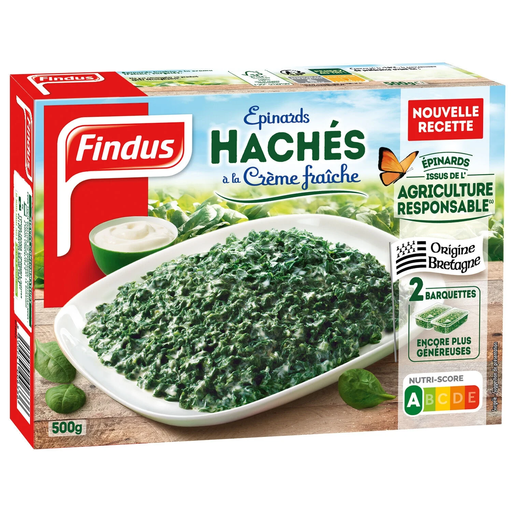 Image unavailable
A ready-prepared recipe to consider if creamed spinach would suit your menu, rather than a vegetable you can season freely.
500 g pack. As it contains cream, it’s particularly important for guests concerned about allergens to check the ingredients list.
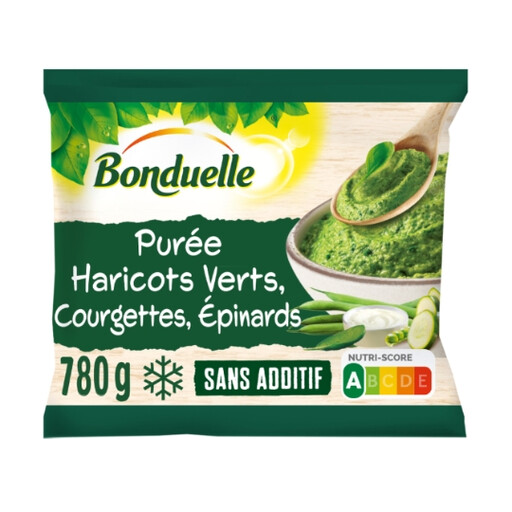 Image unavailable
This purée combines several vegetables in a ready-prepared side dish. Consider it if this texture suits the meal you have planned.
780 g pack. Check the ingredients, portions and preparation instructions on the packaging.
Start with the product name and ingredients list to tell plain vegetables apart from a cooked recipe. The DGCCRF says that ingredients in prepacked foods are listed in descending order by weight. Also check any highlighted allergens, the net quantity, nutritional information and storage instructions.
A vegetable pan is a good choice if you like the recipe and want to spend less time preparing the seasoning. Plain vegetables are better if you’d prefer to put the side dish together yourself. Compare the added ingredients, quantity and cooking instructions with the rest of your menu.
Pick them up at the end of your shop, carry them in an insulated bag and put them in the freezer as soon as possible. Anses recommends taking these steps to maintain the cold chain.
Don’t refreeze a thawed product. The Ministry of Agriculture explains that doing so encourages bacteria to multiply. You should also follow the storage instructions on the packaging.