Parents cooking for several meals
A large bag lets you take out different amounts for several dinners, side dishes or soups. The portion you serve may vary depending on your child’s age and appetite, as Manger Bouger points out.


For children’s dinners, choose a large bag of plain vegetables if you plan to use the same vegetable across several meals. A smaller pack or one with portions is a better fit when serving sizes vary. A vegetable mix or prepared recipe is suited to a different need: check the ingredients, allergens and cooking instructions before choosing.
A large bag lets you take out different amounts for several dinners, side dishes or soups. The portion you serve may vary depending on your child’s age and appetite, as Manger Bouger points out.
Whether you choose plain vegetables, pre-cooked vegetables or a mix depends on how much time you can spend preparing the side dish. Check the cooking instructions for the product you choose before planning your meal.
A familiar texture or a vegetable your child already likes can help guide your first purchase of a large bag. Manger Bouger also encourages regularly offering a variety of fruit and vegetables. A mix is only a practical choice if its ingredients suit the meal you have planned.
First decide whether you’ll use the bag for one dinner or several, then choose between a plain vegetable, a mix or a prepared recipe. For children aged 4 to 11, Manger Bouger suggests using roughly the volume of their fist as a guide to portion size. So the weight of the bag alone doesn’t determine how much to serve.
| What to consider | What to check | Who it matters to |
|---|---|---|
| Pack size and portions | Net weight, number of portions if stated, and space available in your freezer. | If I serve this vegetable on several evenings, I want to take out an amount that suits each child without leaving the rest unused. Around 31% of shoppers prioritise pack size and portioning. |
| Acceptance and variety | Which vegetables are in the mix and what texture to expect after cooking. | If my child is unsure about certain textures, I prefer to check which vegetables are in the bag before buying a large one. Acceptance and variety come first for around 25% of shoppers. |
| Preparation time | Whether the product is plain or pre-cooked, as well as the cooking method and time shown on the packaging. | On evenings when dinner needs to be ready quickly, I look for a product that fits in with the meal I have planned. Around 25% of shoppers put preparation time first. |
| Ingredients and allergens | Ingredient list, allergens and nutritional values per 100 g, particularly salt if you’re comparing prepared recipes. | If I choose a vegetable pan-fry or purée rather than plain vegetables, I want to know what other ingredients the recipe contains. For around 19% of shoppers, ingredients and allergens are the main consideration. |
A 1 kg bag may cover several meals; it doesn’t mean every child should be served the same amount.
Choose this size if your child already likes the vegetable or you have several uses planned for it. Otherwise, consider a smaller bag or one with portions shown on the packaging.
A vegetable pan-fry, purée or breaded product may contain other ingredients, including allergens. The name of the vegetable doesn’t tell you everything that’s in the recipe.
Compare the ingredients and nutritional information of products of the same type, then check the allergens on the exact pack you’re buying.
The DGCCRF points out that a rise in temperature speeds up microbial growth, so the journey from the shop to your freezer matters too.
Pick up frozen food at the end of your shop, use an insulated bag if possible, and put it away promptly, following the storage instructions on the pack.
The range includes plain and pre-cooked frozen vegetables, as well as mixes.
The frozen aisle includes plain vegetables, prepared vegetables, pan-fry mixes, purées and soups.
The range includes individual vegetables, mixes and prepared dishes such as purées and gratins.
E.Leclerc DRIVE offers a frozen food range, subject to availability in your area.
The French range includes individual frozen vegetables and mixes.
The French retailer has a frozen food section.
This selection includes individual vegetables, mixes and prepared side dishes in 500 to 800 g bags. Choose according to the vegetables you plan to serve, how much you’ll need across several meals and the ingredients in each recipe.
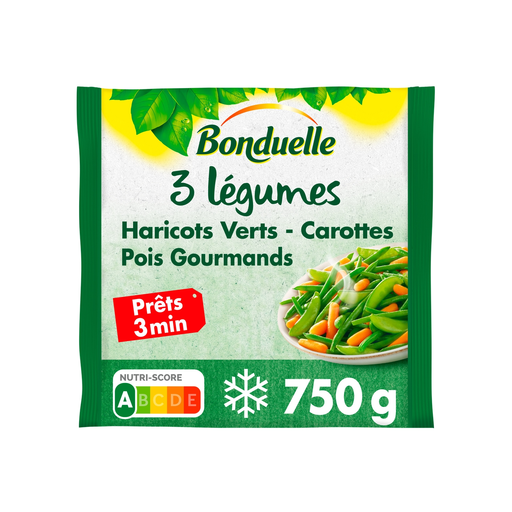 Image unavailable
A way to add variety to a side dish, provided all three ingredients suit the meal you have planned. Check the cooking instructions on the packaging.
 Image unavailable
A single vegetable to use across several side dishes if green beans are already part of the family menu. Adjust the amount you serve and follow the cooking instructions on the pack.
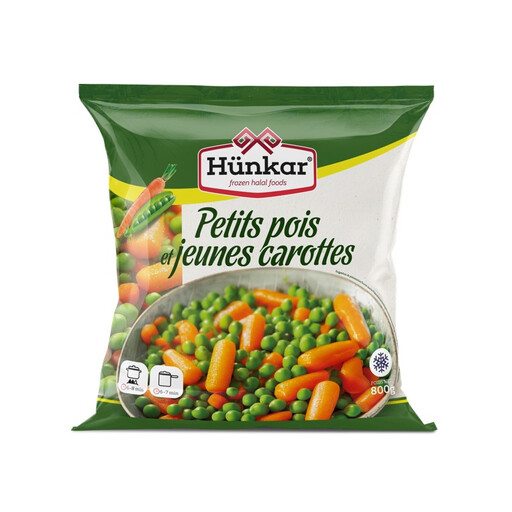 Image unavailable
This mix of two vegetables can be used across several meals if both fit the menus you have planned. Check the cooking instructions before using it for a quick dinner.
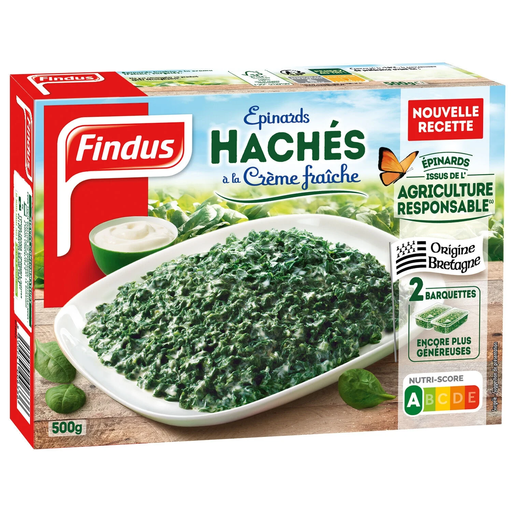 Image unavailable
A spinach recipe with cream for a meal where this texture suits everyone at the table. When comparing ingredients, it isn’t a substitute for a bag of plain spinach: check the ingredients and allergens on the pack.
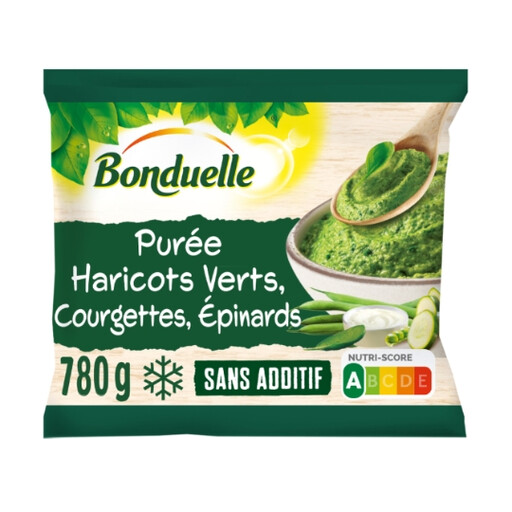 Image unavailable
A puréed texture to consider if it suits the dinner you have planned. As with any prepared recipe, read the ingredients and allergens, then follow the preparation and storage instructions on the packaging.
Not necessarily: this size is most useful if you plan to serve the vegetable across several meals. For children aged 4 to 11, Manger Bouger suggests using roughly the volume of the child’s fist as a guide to portion size. Adjust the amount to suit their age and appetite.
Choose based on the cooking method and time given for the specific product, rather than its category alone. A pan-fry mix may also contain added ingredients, so check the ingredient list if you’re comparing it with plain vegetables.
Check the label on the exact pack, including the ingredient list and any allergens highlighted. This is particularly important for products with sauce, cream or breadcrumbs. Don’t assume you know what’s in them from the vegetable names alone.
Keep them out of the cold for as little time as possible and put them in the freezer promptly, using an insulated bag for the journey if you can. The DGCCRF points out that a rise in temperature speeds up microbial growth. Also follow the storage instructions on the pack.
No. The DGCCRF distinguishes between the nutritional declaration on pre-packed foods, which includes information such as fat, sugars and salt, and Nutri-Score, which is optional. To compare two recipes for the same purpose, check their ingredients and nutritional values per 100 g too.