To manage the amount of fat added to a side dish, choose frozen vegetables whose ingredients suit the recipe you have in mind, then decide what to add in the kitchen. This shouldn’t mean putting everyone on a low-fat diet: Manger Bouger advises against reduced-fat products in cases of malnutrition, and the French National Authority for Health highlights the risks associated with restrictive diets in older people. The texture served, allergens and storage conditions should also inform your choice of each product.
Which teams is this for?
Teams looking to control what they add
When preparing a side dish for a group, using a vegetable base with no oil or cream in the recipe lets the kitchen decide how much fat to add. Check the ingredients of the specific product you choose rather than relying on the category name alone.
Teams supporting residents at risk of malnutrition
A lower fat content shouldn’t be a blanket target. Manger Bouger advises against reduced-fat products in cases of malnutrition, while the French National Authority for Health recommends taking restrictive diets into account when providing individualised care.
Kitchens adapting textures and meal service
The size of the cut can help with planning preparation, but it doesn’t guarantee the texture of the finished dish. For a resident with difficulty chewing or swallowing, check the final preparation against the guidance of the professionals supporting them.
What criteria should you check?
For meals in a care home, start with residents’ dietary plans before comparing recipes, cuts and preparation requirements for frozen vegetables.
| Criterion |
What to check |
Residents concerned |
| Dietary suitability |
Check whether limiting fat is in line with the resident’s dietary plan; have any necessary restrictions approved by the relevant professionals. |
If a resident is at risk of malnutrition, I don’t want a lower-fat side dish to lead to an unsuitable restriction. Around 40% of consumers might put this individual suitability first. |
| Texture and allergens |
Check the cut, the texture after preparation and the allergen declaration; a fine cut alone doesn’t confirm that the food meets a prescribed texture. |
If chewing or swallowing difficulties mean adaptations are needed, I need a preparation that also respects allergen exclusions. This could be a priority for around 30% of consumers. |
| Fat in the recipe |
Read the ingredients and compare the fat content per 100 g; distinguish plain vegetables from stir-fry mixes that already contain oil or a sauce. |
To control what I add to my recipe, I want to know what’s already in the bag. Around 20% of consumers might look first for ways to manage this fat content. |
| Preparation and storage |
Check the pack size, preparation method and temperatures shown on the packaging before adding the product to your meal service. |
When serving a group, I need to be able to prepare and store the side dish in line with the product instructions. Around 10% of consumers might consider this their main concern. |
Mistakes to avoid
-
Assuming a lower-fat side dish is suitable for everyone
For a resident who is malnourished or at risk of malnutrition, routinely reducing fat may conflict with their individual nutritional care plan. Manger Bouger advises against reduced-fat products in cases of malnutrition.
Work with the relevant professionals to decide when a restriction is appropriate, rather than making the same choice for every meal.
-
Treating a stir-fry mix like plain vegetables
A prepared recipe may already contain oil. According to the Pomona PassionFroid product sheets for the Bonduelle products in question, the grilled vegetable stir-fry contains aubergines pre-fried in sunflower oil and has 2.7 g of fat per 100 g, compared with 0.2 g for the vegetable brunoise mix.
Compare the ingredients and nutritional information per 100 g for the products you’re considering before deciding what to add to the recipe.
-
Looking only at the fat content
A product that meets your chosen criteria may contain an allergen that some residents need to avoid: the Pomona PassionFroid product sheet for Bonduelle’s vegetable brunoise mix lists celery.
Check the allergens in every product and pass on the relevant information to the preparation and service teams.
-
Discarding the packaging before noting the instructions
Storage temperatures and preparation methods are among the useful details to keep after your frozen products arrive.
Keep these instructions accessible when you remove any outer packaging, and follow the temperatures on the label in line with DGCCRF recommendations on maintaining the cold chain.
Brands and retailers to consider
Ranges can include both plain vegetables and prepared recipes. Compare the details for the specific products rather than choosing by brand or retailer name alone.
Bonduelle
Bonduelle Food Service offers products for catering professionals, including prepared vegetable cuts and stir-fry mixes.
- The Pomona PassionFroid product sheets for the brunoise mix and stir-fry mentioned here detail ingredients, allergens and nutritional values.
- These two recipes contain 0.2 g and 2.7 g of fat per 100 g respectively: the figures for one product don’t apply to the whole range.
Carrefour
Carrefour separates plain frozen vegetables from prepared vegetables and stir-fry mixes in its range.
- This distinction can help you identify the categories to check for your planned recipe.
- For a specific product, check its ingredients and nutritional information.
E.Leclerc
E.Leclerc’s Eco+ range includes green beans in 1 kg bags and broccoli in 900 g bags.
- These pack sizes can help you assess whether the format suits the quantities you need to prepare.
- Check the ingredients and nutritional values of the product you choose before adding it to the menu.
Auchan
Auchan lists individual vegetables, vegetable mixes and prepared dishes such as stir-fries and gratins separately.
- These categories help distinguish ingredients to cook from recipes that have already been prepared.
- The category name is no substitute for checking the chosen product’s ingredients and instructions.
Lidl
Lidl has a frozen food range that you can check for occasional purchases.
- A local purchase may be an option if a product meets the needs of your menu.
- Before planning to use a product for meal service, check its availability and labelling in store.
Aldi
Aldi France’s catalogue features frozen vegetables such as broccoli and green beans, as well as creamed spinach.
- These products illustrate the difference between a single vegetable and a prepared recipe.
- Check the ingredients and nutritional values of each bag, particularly for products made with cream.
Vegetables and recipe bases on Joybuy
These products are vegetables or vegetable bases to prepare in the kitchen. Their pack size and cut can help you choose a recipe; check the labelling and the texture actually served to the residents concerned separately.
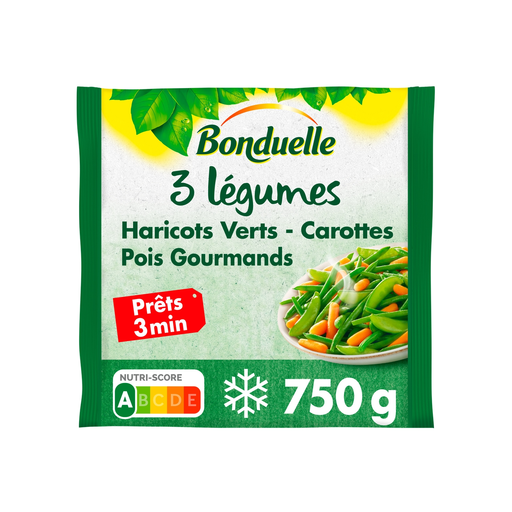 Image unavailable
Bonduelle green bean, carrot and mangetout mix 750 g
For a side dish made with several vegetables, this mix gives you a single 750 g bag to work with. Check its ingredients, allergens and texture after preparation before serving it to the residents concerned.
View on Joybuy
 Image unavailable
Bonduelle extra fine green beans 750 g
For a side dish made with a single vegetable, this bag contains 750 g of extra fine green beans. The description ‘extra fine’ doesn’t remove the need to check the texture after cooking or the allergens listed on the packaging.
View on Joybuy
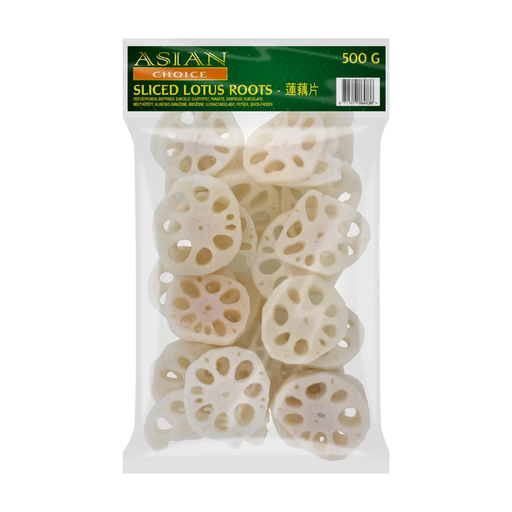 Image unavailable
Asian Choice sliced lotus root 500 g
For a recipe using lotus root, this product comes sliced in a 500 g bag. Check the texture after preparation: the cut alone doesn’t show whether it’s suitable for a resident’s chewing or swallowing needs.
View on Joybuy
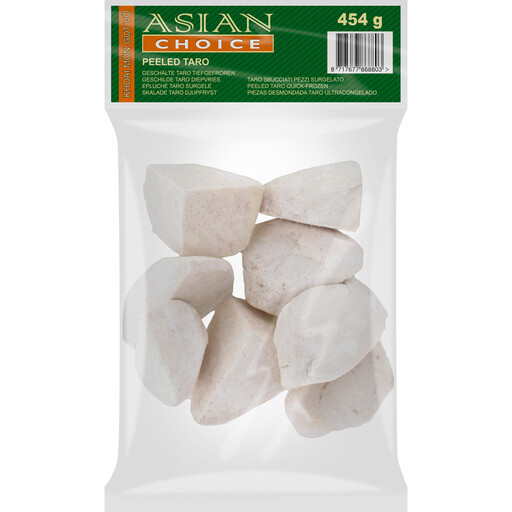 Image unavailable
Asian Choice peeled taro 454 g
For a taro-based recipe, this 454 g bag saves you the peeling step. Check the preparation instructions and the texture of the finished dish before planning to serve it to a resident who needs an adapted texture.
View on Joybuy
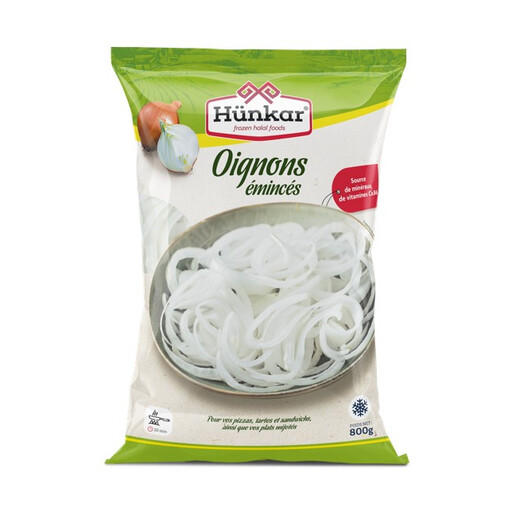 Image unavailable
HÜNKAR sliced onions 800 g
For a recipe that calls for pre-cut onions, this bag contains 800 g of sliced onions. Check the labelling for allergens and preparation instructions before using it in large-scale meal production.
View on Joybuy
Frequently asked questions
Should you choose reduced-fat frozen vegetables for every care home meal?
No. Reducing fat isn’t automatically right for every resident. Manger Bouger advises against reduced-fat products in cases of malnutrition, while the French National Authority for Health highlights the risks of restrictive diets in older people. Menu choices should take each person’s circumstances into account.
How can you tell plain vegetables from a prepared stir-fry mix?
Start with the ingredients list, then compare the ‘fat’ figure per 100 g. Pomona PassionFroid product sheets show 0.2 g per 100 g for a Bonduelle vegetable brunoise mix and 2.7 g per 100 g for a Bonduelle stir-fry containing aubergines pre-fried in sunflower oil. These figures apply only to these specific products.
Is a fine cut enough for someone with swallowing difficulties?
No. The size of the cut doesn’t guarantee that the finished dish will have the required texture. The French National Authority for Health identifies chewing and swallowing difficulties as issues to consider in older people; check the texture served against the guidance established for the resident.
What information should you keep with frozen vegetables after delivery?
Keep the information you need for storage and preparation, even if you remove the outer packaging. The DGCCRF recommends following the maximum temperatures shown on the label and maintaining the cold chain.


